


When the Nervous System Changes How You Move
Physical Therapy for Neurological Challenges
Neurological conditions can affect strength, balance, coordination, and confidence during everyday movement. Walking may feel slower or less steady. Tasks that once felt automatic may now require more focus. Many people with neurological disorders in Alexandria, VA, Springfield, VA and Arlington, VA tell us they feel uncertain about how much they should push, what is safe, or how to keep progressing.
At Full Strength, we help you understand how your nervous system influences movement and guide you toward strategies that support control, confidence, and meaningful activity.

How Neurological Conditions Affect Movement
Neurological disorders influence how the brain and nerves communicate with muscles. Changes in this communication can affect timing, coordination, sensation, and endurance. These challenges often evolve over time and can vary day to day.
People come to Full Strength because they want clear guidance. They want to know how to work with their body rather than feeling limited by uncertainty or fear of doing the wrong thing.
Neurological Conditions We Commonly Support
- Stroke-related movement changes
- Parkinson’s disease and slowed movement
- Multiple sclerosis-related weakness or fatigue
- Balance and coordination challenges
- Nerve-related movement or sensation changes
- Neurological conditions affecting walking or daily tasks
How We Support Neurological Progress and Confident Movement
Neurological challenges can affect how you move, balance, react, and manage everyday tasks. Changes may appear gradually or suddenly, and even small limitations can impact independence and confidence. At Full Strength, neurological physical therapy focuses on helping movement feel more controlled, purposeful, and reliable over time.
Your work at Full Strength starts with a detailed assessment of how you move, balance, and coordinate tasks. We look at walking patterns, posture, strength, reaction time, and how fatigue influences your movement.
Our role is to meet you where you are, then guide progress in a way that feels clear, achievable, and meaningful. The goal is to help movement feel more intentional and dependable, not rushed or overwhelming.
Many people notice early changes with neurological physical therapy, but long term progress depends on consistency and progression. As movement becomes more controlled, we help you continue building endurance, adaptability, and confidence during daily activities.
Targeted Strategies to Help You Move Forward

Improving movement quality through targeted strength and coordination training
Enhancing balance and stability during real world tasks
Practicing walking, transfers, and transitions with better efficiency
Reducing unnecessary effort through posture and alignment strategies
Training task specific movements that support daily independence
Building understanding so you know why certain exercises matter
Why People Trust Full Strength for Neurological Therapy

Your movement is understood in context. We look at the whole picture.

Your goals guide the plan. Progress reflects what matters to you.
Your pace is respected. Progression matches how your body responds.
Your confidence builds steadily. Movement becomes more reliable over time.
Your environment supports progress. You work with a team that values clarity and encouragement.
-
“Ten-Star Experience”
From scheduling to treatment, the experience was seamless. Victoria listened closely, pushed me to improve each week, and delivered top-level care throughout my recovery.
–
Jonathan D.
-
“Caring and Attentive Therapy”
Meg is great. She listens to me and makes me feel like she understands what I am going through with this injury. Thanks for caring!
–
Martin J.
-
“Outstanding Care and Support”
I have been going to the Alexandria location since April, and all of the staff are amazing. Stephanie is fantastic and a joy to work with. She really meets you where you are and helps guide you toward your goals.
–
Alexis L.
-
“Skilled and Engaging Care”
Great staff! Wide variety of tools and techniques to keep it fresh. Very focused on safe and effective progress! Highly recommended.
–
David S.
500+ five-star
google reviews
17+ years serving arlington,
alexandria, & springfield
A Supportive Path Toward Continued Movement
A diagnosis isn’t a stop sign. We help you maximize your potential and move with purpose.. With the right guidance, many people continue to improve how they move, stay active, and engage in daily life.
If neurological movement challenges are affecting your life in Alexandria, VA, Springfield, VA or Arlington, VA, reach out to Full Strength. We’ll help you understand your movement and guide you toward a clear, realistic plan forward.
Stronger for life includes continuing to move with purpose and confidence.
Frequently Asked Questions
Can physical therapy help even if my neurological condition is long standing?
Will therapy focus only on basic daily tasks?
How often should neurological physical therapy occur?

a simple plan to get you moving forward
Your next steps
Schedule your assessment
An expert PT will listen to you and assess your problem.
Get your personalized plan
Know exactly what to focus on, and what to do next.
Keep Progressing with Expert Guidance
Improve how you move so your results last.
related blogs
-
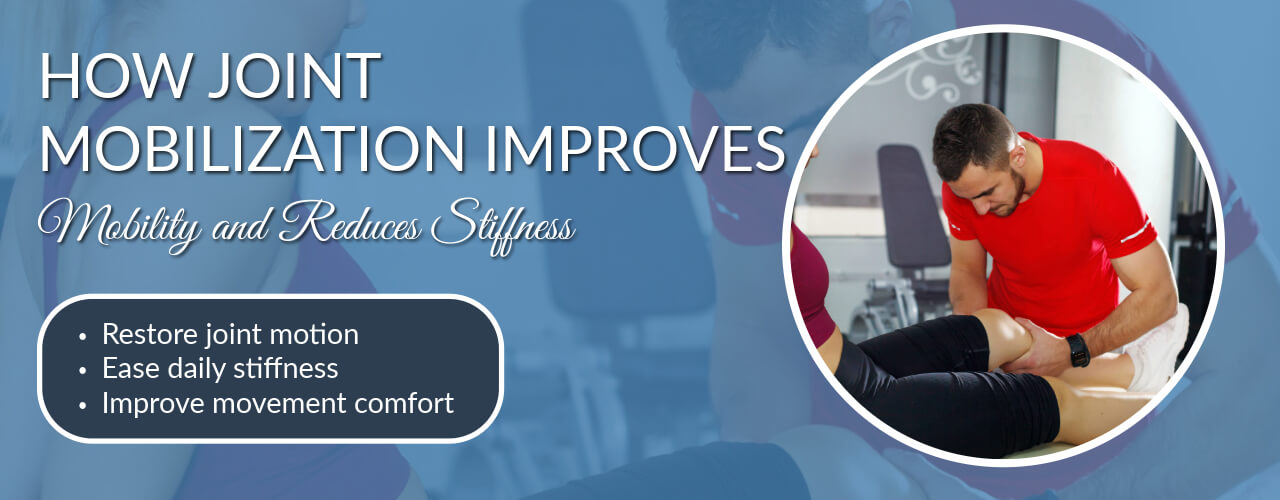
How Joint Mobilization Improves Mobility and Reduces Stiffness
If you’ve ever struggled with stiff, achy joints that make daily movement uncomfortable, you’re not alone. Whether from injury, inactivity or wear and tear over time, joint restrictions can limit your ability to move freely and affect your overall quality of life. One physical therapy approach that offers meaningful relief is joint mobilization. This hands-on
-
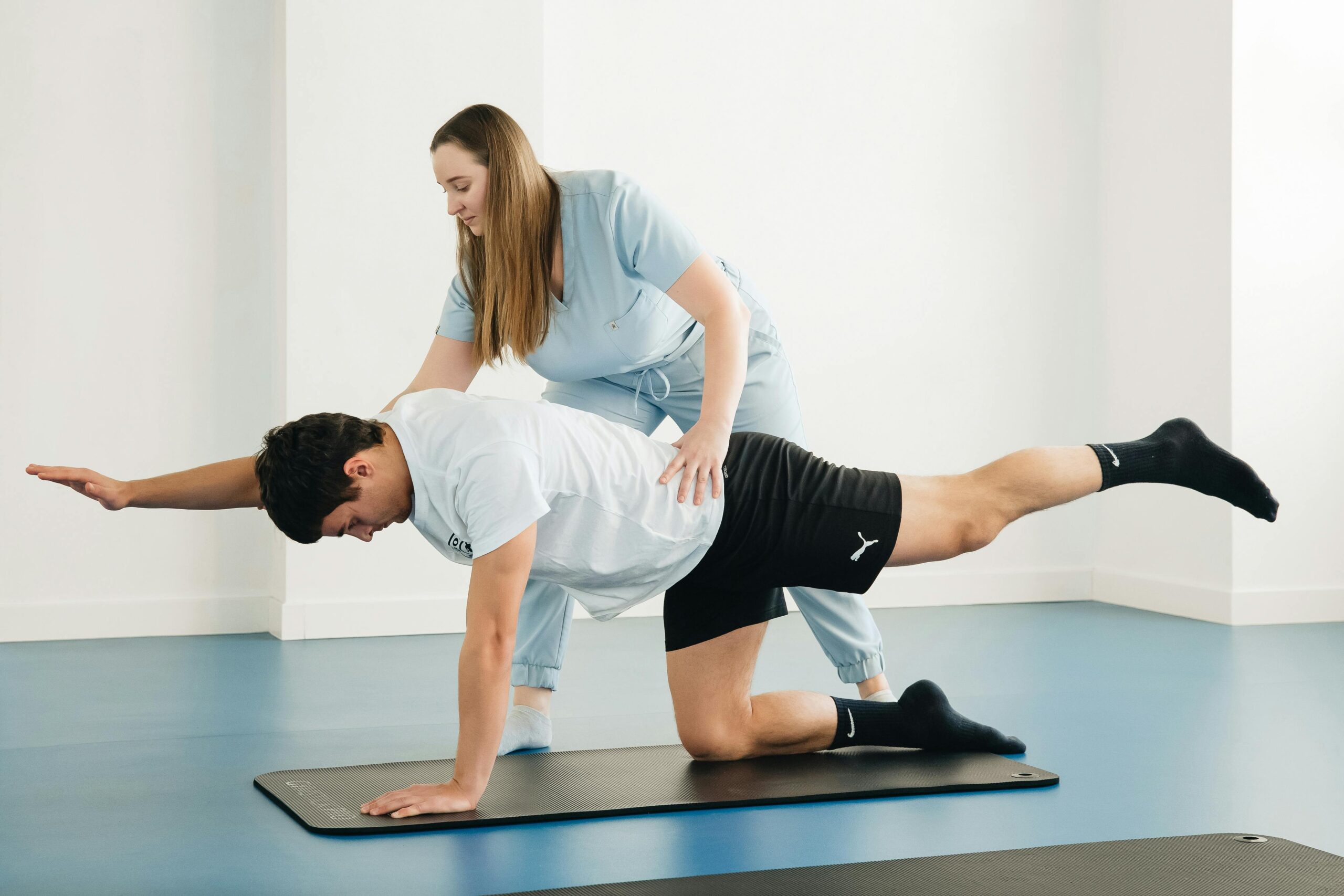
5 Proven Physical Therapy Strategies to Speed Up Sports Recovery
If you’re an active adult, recreational athlete, or competitive player, chances are you’ve asked some version of this question: “How can I recover faster from sports without getting hurt again?” Sports recovery matters more now than ever. Busy schedules, aging tissues, and higher training loads mean that soreness lingers longer, injuries stack up faster, and