

Surgery Is One Step, What Comes Next Matters More
Surgery often solves part of the problem, but it doesn’t automatically restore strength, confidence, or movement. Many people looking for post-surgical rehab in Alexandria, VA, Springfield, VA and Arlington, VA finish surgery feeling unsure about how to move, how much to do, or how to rebuild trust in their body. Everyday tasks may feel awkward. Training and activity can feel far away.
At Full Strength, we help you understand what your body needs after surgery and guide you through a plan that supports steady progress, not hesitation.

Why Post-Surgical Rehab Shapes Long-Term Results
After surgery, the body needs time and the right input to recover well. Without guidance, people often move too cautiously or push too quickly. Both can slow progress. Muscles weaken, joints stiffen, and confidence drops when movement does not feel reliable.
People come to Full Strength because they want structure and clarity. They want to know how to move safely, rebuild strength, and return to the activities that matter most to them.
Surgeries We Commonly Support
Joint replacements
Ligament repairs
Tendon repairs
Spine related surgeries
Upper extremity surgeries
Lower extremity surgeries
How We Support You After Surgery
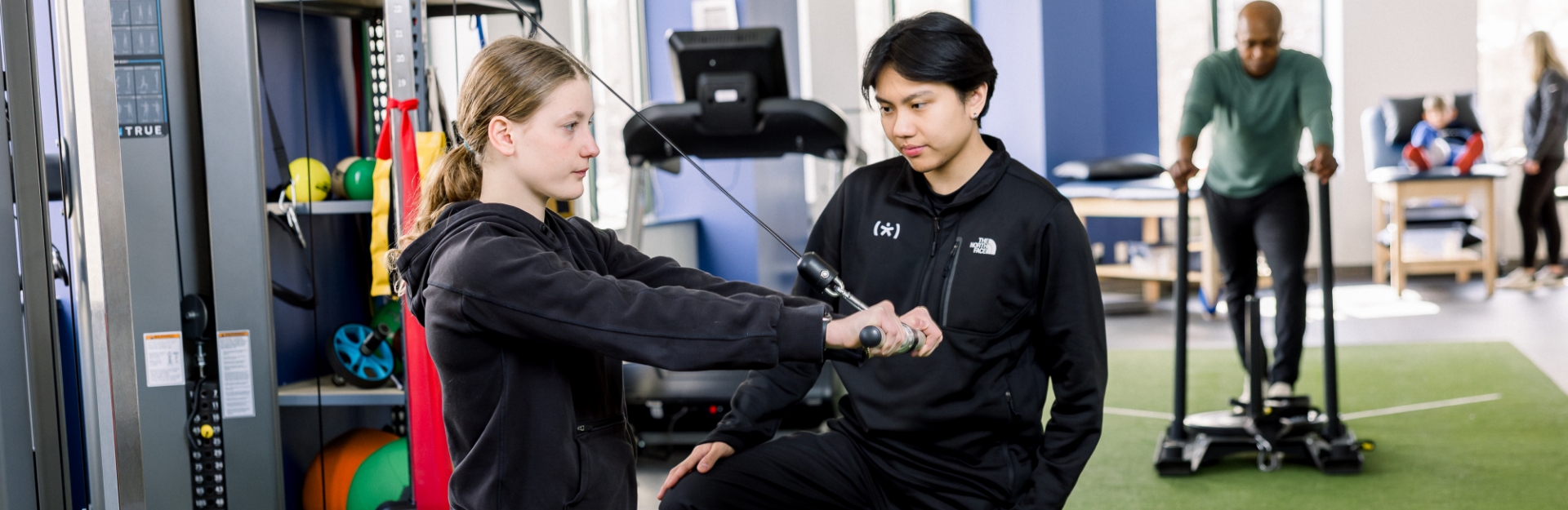
Post-surgical rehab at Full Strength begins with protecting healing tissue and restoring movement, but it does not stop once pain decreases or basic tasks feel easier. Our role is to help you rebuild confidence in how your body moves and progressively restore the strength and control needed for real-life demands.
When surgery is recent, the first priority is supporting healing while reintroducing movement in a way that feels safe and intentional. Surgery often changes how people move, load joints, and rely on surrounding muscles, which can slow progress if not addressed early.
The goal is not just to recover from surgery, but to move with clarity and confidence as your activity level increases. As healing progresses and strength returns, we continue supporting you through structured exercise programming that prepares your body for work, training, and everyday demands. This often includes progressive strengthening, movement retraining, and active recovery strategies to help you tolerate higher loads, rebuild endurance, and reduce the risk of setbacks as life returns to normal.
Surgical recovery is most successful when strength, movement quality, and confidence are rebuilt together. By supporting you beyond the early stages of rehab, Full Strength helps ensure your recovery carries forward into lasting capability and dependable movement.
Targeted Strategies to Help You Move Forward

Movement assessment to understand how surgery has affected surrounding joints and muscle coordination
Restoring range of motion appropriate to your procedure and healing stage
Targeted strength work to rebuild support around the surgical area
Swelling and sensitivity management to improve comfort and movement tolerance
Movement coaching for daily tasks such as walking, standing, and transfers
Education so you understand what to expect at each stage of recovery
Why People Trust Full Strength for Post-Surgical Rehab

Your goals guide the plan. We focus on what you want to return to doing.

Your recovery is explained. You understand each phase and why it matters.
Your pace is respected. Progress matches healing and real life demands.
Your strength builds steadily. Each step supports confidence and capacity.
Your strength builds steadily. Each step supports confidence and capacity.
-
“Exceptional Care and Support”
Alysia helped me go from crutches to running after ankle surgery, and the whole team is fantastic. Highly recommended!
–
Jen O.
-
“Supported Before and After Surgery”
Michelle Goto has been awesome. She prepared me for surgery, and has helped me recover super well afterwards!
–
Ryan N.
-
“Stronger Every Session”
Andy has been guiding me through post-op therapy with incredible attentiveness and clear education. I never feel babied, only stronger and more confident each visit. Highly recommend working with him.
–
Emma R.
-
“Care That Changes Lives”
After a devastating accident, I did not think walking again was possible. Michelle and Colleen supported me physically and mentally every step of the way, and their compassion and expertise made my recovery possible.
–
Heather A.
500+ five-star
google reviews
17+ years serving arlington,
alexandria, & springfield
Your Next Step After Surgery
Post-surgical rehab is about more than checking boxes. With the right guidance, you can rebuild strength, restore confidence, and return to the activities that matter most.
If you’re preparing for surgery or recovering after a procedure in Alexandria, VA, Springfield, VA or Arlington, VA, reach out to Full Strength. We will help you understand what comes next and guide you through a clear, realistic path forward.
Stronger for life starts with rebuilding confidence after surgery.
Frequently Asked Questions
When should I start post-surgical rehab?
Is post-surgical rehab only about getting back to daily activities?
How do you decide when I’m ready to progress exercises?

a simple plan to get you moving forward
Your next steps
Schedule your assessment
An expert PT will listen to you and assess your problem.
Get your personalized plan
Know exactly what to focus on, and what to do next.
Keep Progressing with Expert Guidance
Improve how you move so your results last.
related blogs
-

How to Exercise after Back Surgery
You want to avoid spine surgery if you can, but it may become unavoidable. If you do end up there, a good physical therapy program after surgery can help you return to exercise after back surgery. If you’ve undergone spine surgery, you’ve likely had severe leg pain that’s lasted for several months or more. This
-

Get stronger to stop joint pain with blood flow restriction training
Joint pain can be incredibly debilitating. Pain in your knees, shoulder, and hips can make things like walking, doing laundry, exercising, and gardening difficult and painful. Muscle weakness is often one of the big causes of joint pain. Your muscles act as shock absorbers, working to control all the load that goes through your joints.