Your likely to lose bone strength as you get older. Men and women typically lose 0.3–0.5% of their BMD each year after age 35. Bone loss in women after menopause is accelerated, with some women losing 20–30% of their bone density over five years. Exercise for osteoporosis can help.
As bone mineral density decreases, your risk of fractures increases, especially from falls and compression fractures. Strength exercise for osteoporosis is a key way you can increase your bone density, decrease your risk of fractures, and increase your strength.
2 research studies (LIFTMOR and MEDEX-OP) in the last few years compared the effects of different types of strength training:
- High intensity strength training supervised by a physical therapist in an exercise group (1 PT for 8 people per group)
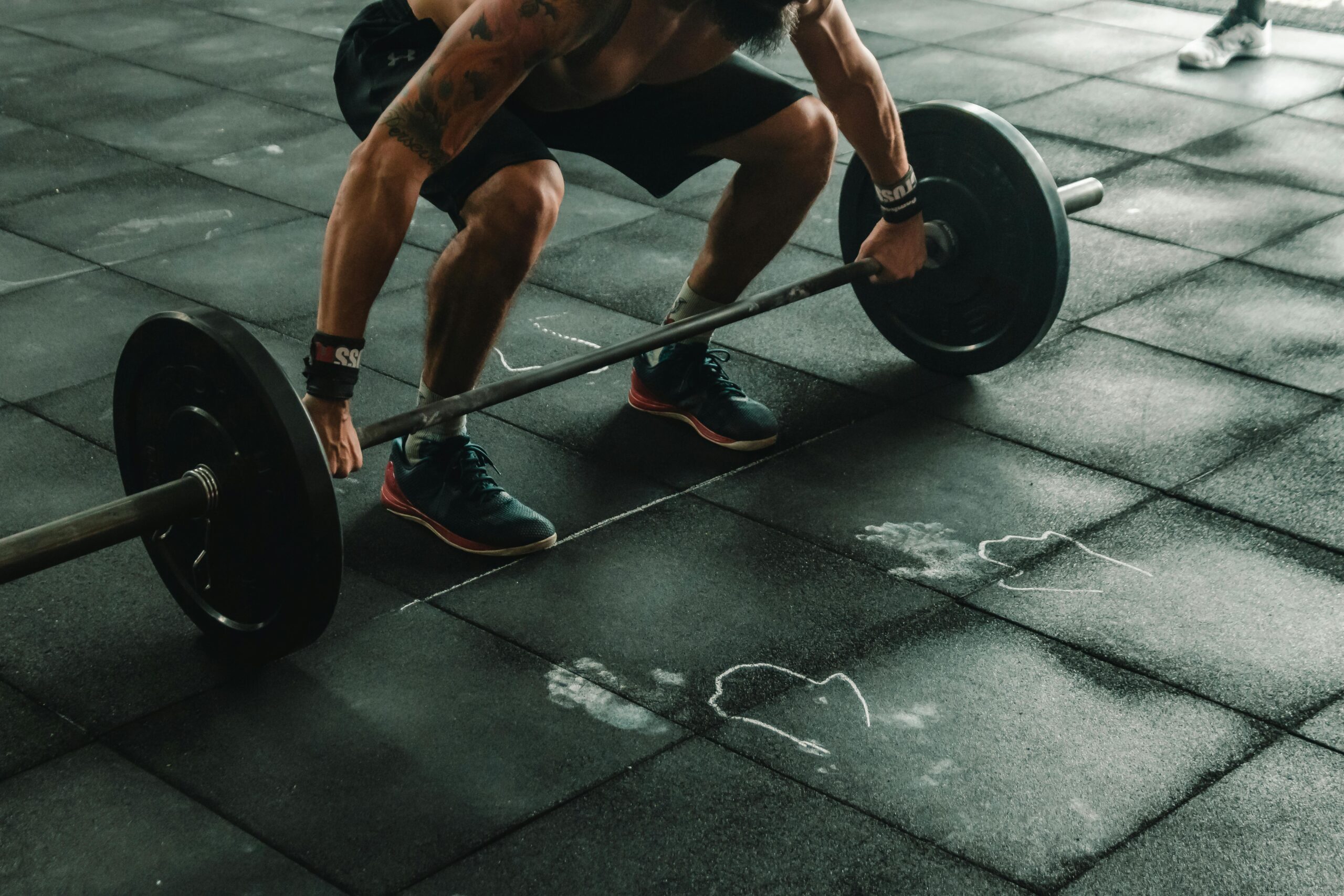
- Deadlifts, backsquats, overhead press, and jumping pullups
- 5 sets of 5 reps at 80% to 85% of 1 rep max
- Performed twice per week
- Low intensity strength training (Buff Bones®) performed in a supervised exercise class (1 instructor for 8 people per class)
- Pilates mat based low intensity strengthening
- standing body weight low intensity strengthening
- moderate intensity impact weight bearing exercises
- Performed twice per week
- Low intensity strength training performed unsupervised at home
- Stretching
- low intensity lunges, calf raises, standing forward raise, and shrugs (3 kg max)
What Were the Results?
| High Intensity Strength Training (LIFTMOR) | High Intensity Strength Training (MEDEX-OP) | Low Intensity Supervised Strength Training | Low Intensity Unsupervised | |
| Femoral Neck Bone Density | Increased 0.3% | No change | No change | Decreased 1% |
| Lumbar Spine Bone Density | Increased 3% | Increased 2% | No change | Decreased 2% |
| Leg Extensor Strength | Increased 37% | Increased 35% | Increased 22% | Increased 5% |
| Back Extensor Strength | Increased 36% | Increased 28% | Increased 9% | Increased 11% |
Is high intensity strength training safe? Will you increase your risk of injury?
The supervised high intensity strength training group and the supervised low intensity strength training group both had 3 injuries during the 8 months of training. In the low intensity group, all 3 people stopped participating completely.
In the high intensity group, 1 person stopped completely, 1 person missed no time, and another missed 5 weeks of training but returned.
Takeaways:
- Supervised High-Intensity strength training was better at increasing bone density and strength than supervised low intensity strengthening
- Supervised Low intensity strength training is likely better than unsupervised for increasing bone density and strength
- Supervised High intensity strength training equally safe as low intensity strengthening
Bone Health Class Now Live at Solutions!
Our Bone Health Class is specifically targeted to improving your bone health. You will:
- Increase your bone density if it has already decreased
- Reduce future loss of bone density
- Increase muscle strength
- Avoid getting injured
We’re only enrolling a limited number of people. Click here to sign up for early access!
Low bone mineral density puts you at greater risk of missing out on life because of broken bones or fear of injury.
A targeted program of strength training exercise for osteoporosis can keep you strong, safe, and active!
Our expert physical therapists can build a program specific to you and backed by the latest science.
You’ll feel confident that you have the knowledge and capacity to do all the things you want.
Click here to sign up and be one of the first to get access!
Working to keep you living your best life,
The Solutions Physical Therapy & Sports Medicine Team