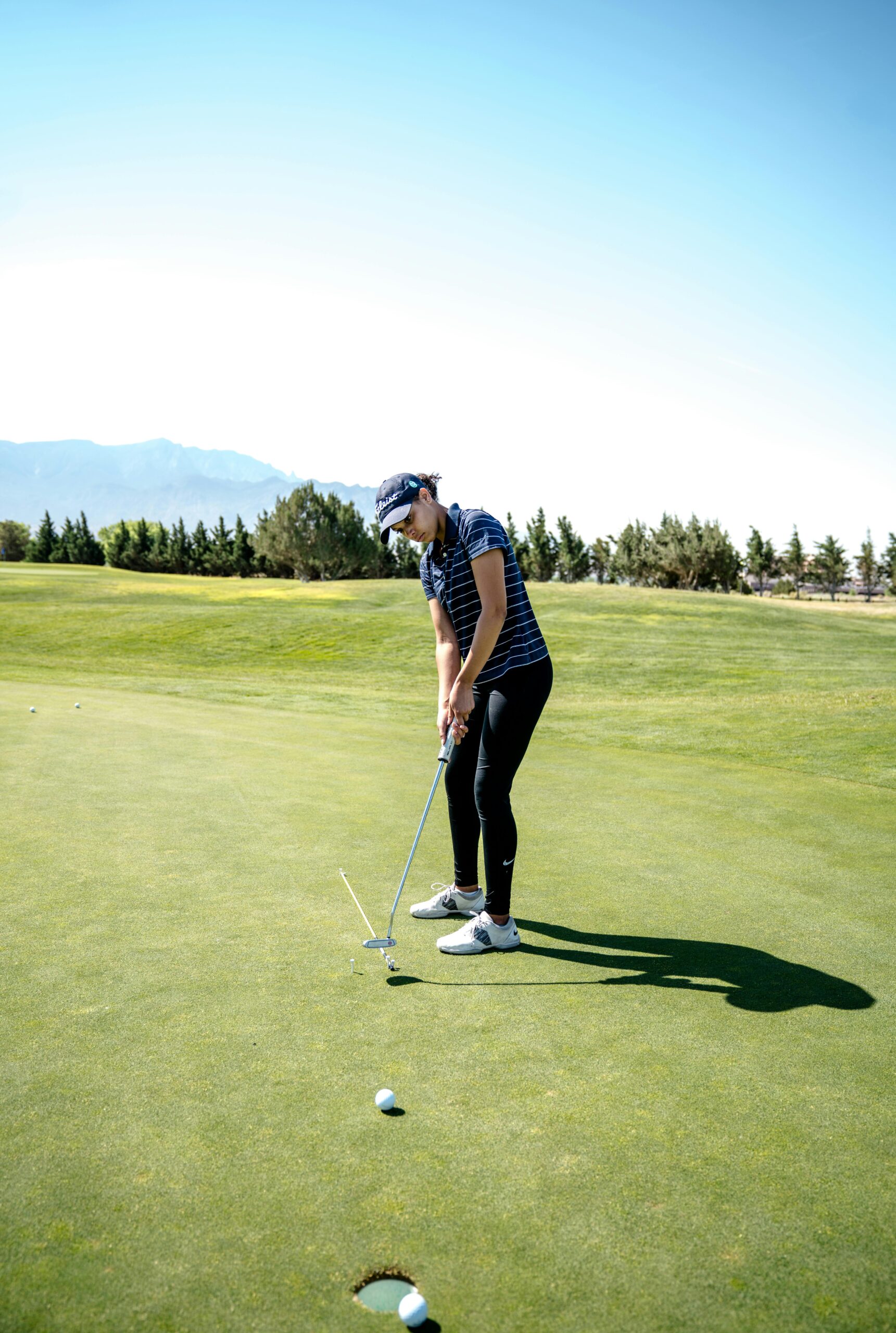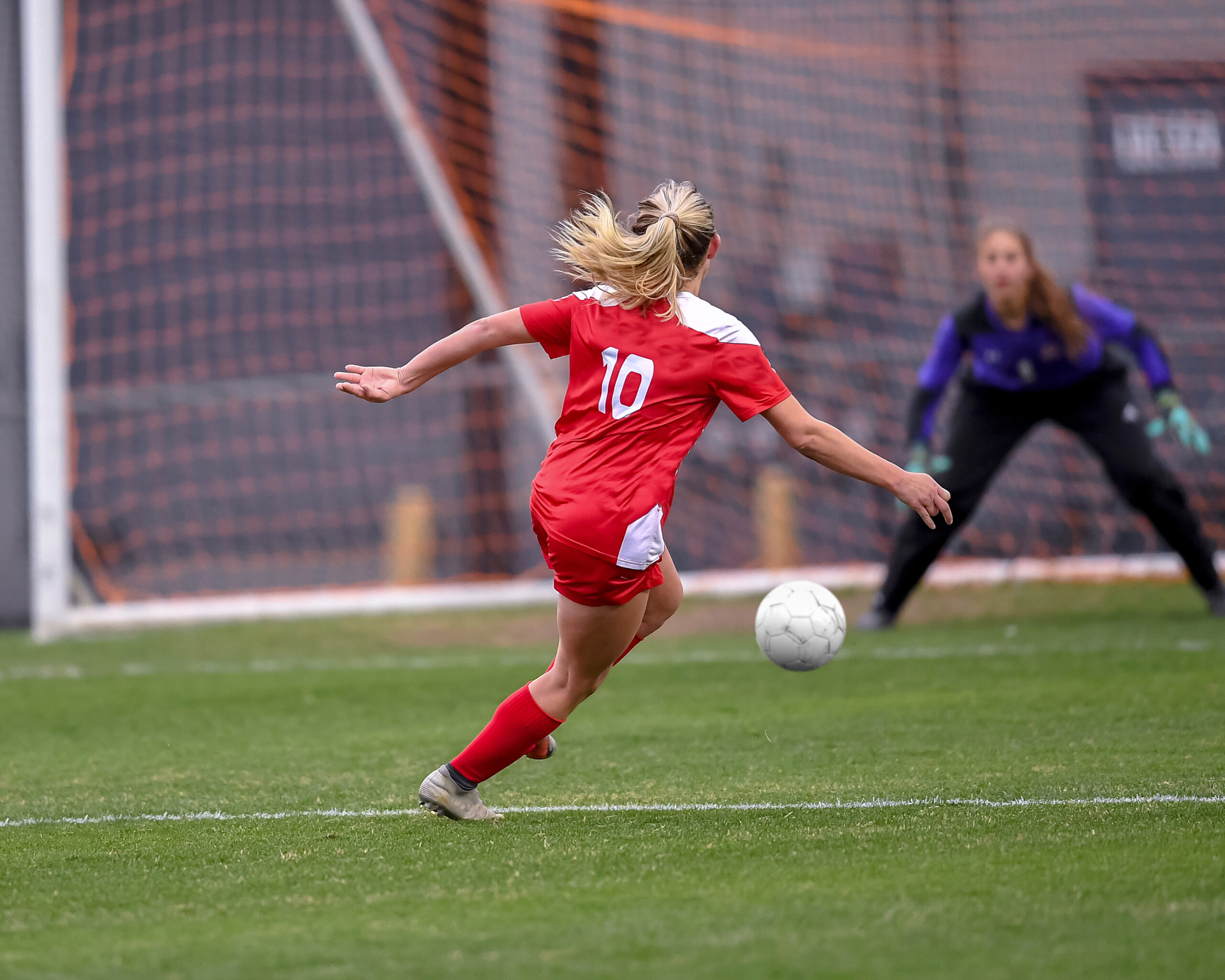
At Solutions Physical Therapy & Sports Medicine, we understand the dreams and aspirations of young athletes and their families. You want to see your child excel, reach their potential, and enjoy every moment of their athletic journey. But what if early choices—like sports specialization too soon—could limit their future success and even pose risks to their health?
Many parents face this challenge, and we’re here to help you navigate it. Together, we can ensure your child stays healthy, happy, and prepared for long-term success in sports and beyond.
Early Specialization Comes with Risks
You may feel pressure for your youth athlete to specialize, thinking that more time in one sport equals a greater chance of success. However, research shows that specializing too early can lead to:
- Overuse injuries: Repeating the same movements stresses a young athlete’s growing body.
- Burnout: Constant focus on one sport can lead to emotional fatigue and loss of interest.
- Limited athletic development: Playing multiple sports builds diverse skills, coordination, and resilience.
Without a balanced approach, these risks can overshadow your child’s potential and joy in sports.
Recognizing Specialization Levels and Their Risks
To guide your decisions, start by understanding your youth athlete’s level of specialization. The table below helps identify where they might fall:
Table 1. Degree of Sports Specialization
| Degree of Specialization | Criteria |
|---|---|
| Low specialization | 0 or 1 of the following: |
| – Year-round training (>8 months per year) | |
| – Chooses a single main sport | |
| – Quit all sports to focus on 1 sport | |
| Moderately specialized | 2 of the following: |
| – Year-round training (>8 months per year) | |
| – Chooses a single main sport | |
| – Quit all sports to focus on 1 sport | |
| Highly specialized | All 3 of the following: |
| – Year-round training (>8 months per year) | |
| – Chooses a single main sport | |
| – Quit all sports to focus on 1 sport |
Once you determine their degree of specialization, it’s important to understand the associated risks. The table below summarizes some data from an article in the American Journal of Sports Medicine . It shows how specialization impacted injury risk in this study.
Table 2. Risk of Specialization Compared to Uninjured Athletes
| Degree of Specialization | Overuse Injury | Serious Overuse Injury (requires at least 1 month rest from sports) | Acute Injury |
|---|---|---|---|
| Moderately specialized | 22% more likely | 104% more likely | 52% more likely |
| Highly specialized | 50% more likely | 125% more likely | 19% more likely |
(Bold means it was a statistically significant)
The takeaway here is that injury risk seemed to increase with the degree of sports specialization. The average age of sports specialization in this study was 11.5 years old.
The Role of Training Volume
Training volume may be as important as early sports specialization. When your youth athlete starts specializing in one sport, the training volume and competition volume often increases. The table below presents some useful guidelines.
Table 3: Volume of Training and Associated Injury Risk in Young Athletes
| Training Volume/Factor | Injury Risk |
|---|---|
| Exceeding 16 hours per week of organized sports | Increased risk of overuse injuries |
| Hours per week of organized sports > athlete’s age | Greater likelihood of injury as younger athletes may not tolerate workloads exceeding their developmental capacity. |
Sports Specialization: Signs it May Be Too Soon
Even with these tables as a guide, watch for these warning signs that can indicate early specialization might be a problem:
- Frequent Injuries: Overuse injuries like stress fractures or tendonitis are common in highly specialized athletes.
- Lack of Enthusiasm: A disinterested or burnt-out athlete may need a change in focus.
How to Support Your Youth Athlete
If you’re concerned your child is specializing too early, here’s how you can help:
- Encourage Multi-Sport Participation: Playing multiple sports builds a well-rounded skill set and reduces repetitive stress.
- Prioritize Rest: Ensure your athlete has time to recover through off-seasons and lighter training schedules.
- Consult Experts: A physical therapist or sports medicine specialist can assess your child’s current condition and provide strategies for reducing risk while maximizing performance.
If your concerned about your youth athlete, we can help!
At Solutions Physical Therapy & Sports Medicine in Alexandria, Arlington, and Springfield, VA, we’re passionate about supporting youth athletes in reaching their full potential. Our physical therapists can help you make informed choices to protect your child’s health and help keep their love for the game alive.
Call us at 703-299-3111, or click here to request an appointment.
A member of our team will schedule you an appointment with one of our expert physical therapists.
If you want an expert to listen to your unique problems and guide you to success, a Solutions Physical Therapy & Sports Medicine physical therapist in Alexandria, Arlington, or Springfield, VA will create a plan specifically for you.
Call us at 703-299-3111, or click here to schedule your appointment and get started.
Working to keep you living your best life,
The Solutions Physical Therapy & Sports Medicine Team