

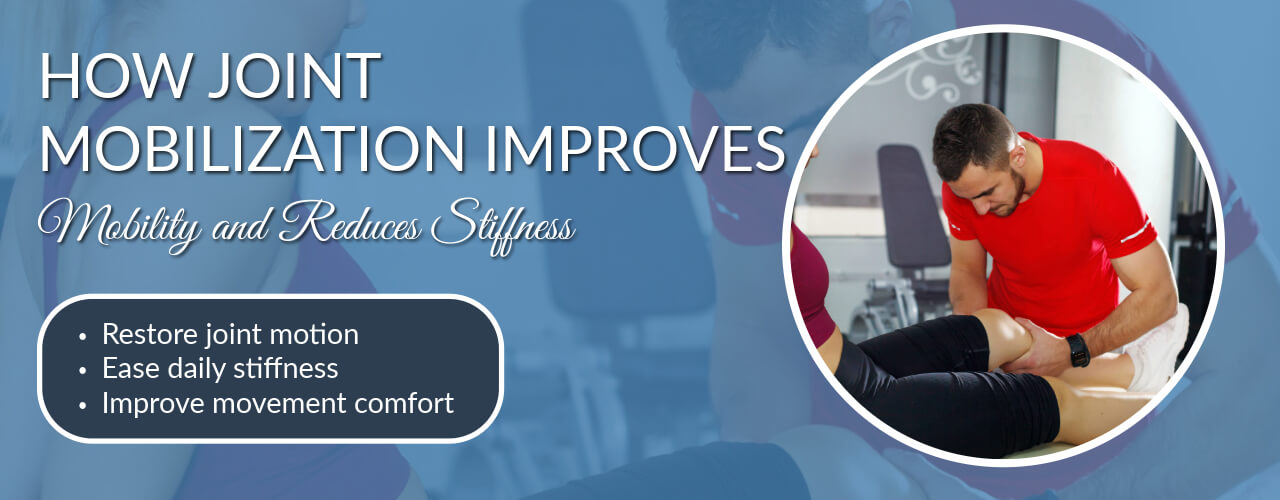
If you’ve ever struggled with stiff, achy joints that make daily movement uncomfortable, you’re not alone. Whether from injury, inactivity or wear and tear over time, joint restrictions can limit your ability to move freely and affect your overall quality of life. One physical therapy approach that offers meaningful relief is joint mobilization.
This hands-on technique is used by trained physical therapists to improve joint movement and decrease discomfort. By restoring how a joint moves, this method can help reduce stiffness, restore function, and support lasting mobility. At Full Strength, we use joint mobilization as part of a customized care plan to help patients get back to what they love.
What Is Joint Mobilization and Why Does It Matter?
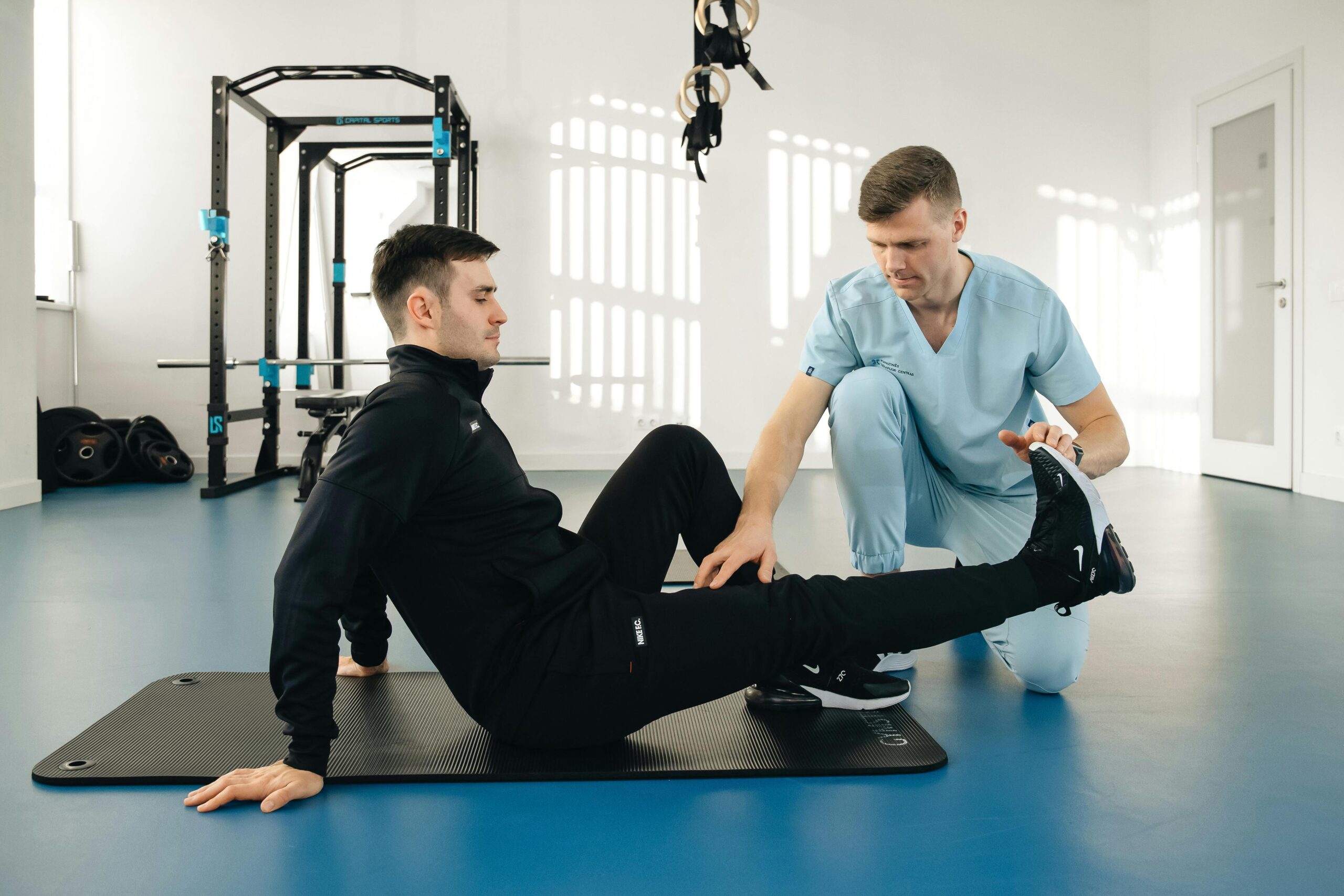
Joint mobilization is a manual therapy technique that involves applying controlled movements to a joint. These movements can vary in speed, depth, and intensity depending on the type and severity of the restriction. The goal is to restore normal joint mechanics, reduce discomfort, and promote better mobility.
Unlike forceful manipulation, this technique is typically slower and gentler. It focuses on mobilizing the joint capsule, the connective tissue surrounding the joint, which often tightens or stiffens after injury or long periods of limited use. By improving the way joint surfaces move against each other, patients can often experience more comfortable and efficient motion.
Understanding the Signs of Joint Restriction
Many patients are surprised to learn that joint stiffness isn’t just about tight muscles. Some common signs of joint restrictions include:
- Limited range of motion in a specific direction
- Pain that occurs with movement but not necessarily at rest
- A feeling of “catching” or “grinding” in the joint
- Muscle guarding or compensations around the restricted area
These symptoms may be present in the shoulder, neck, spine, hips, or ankles. In each case, mobilizing a joint may be used to reduce tension, improve glide, and restore full motion.
The Science Behind Gentle Movement
Within your joints are special receptors that respond to movement, pressure, and stretch. These receptors play a key role in how your brain perceives pain and controls motion. When a joint is mobilized correctly, these receptors are stimulated in a way that can reduce pain signals and increase the joint’s capacity to move safely.
Mobilization also promotes circulation to the area, supports joint lubrication, and reduces tension in surrounding muscles. When performed as part of a larger care plan that includes strengthening and movement retraining, the effects of mobilization can lead to long-term gains in comfort and function.
Joint Mobilization in Physical Therapy: Where It Fits
We rarely mobilize a joint on its own. At Full Strength, it’s often paired with other treatments such as:
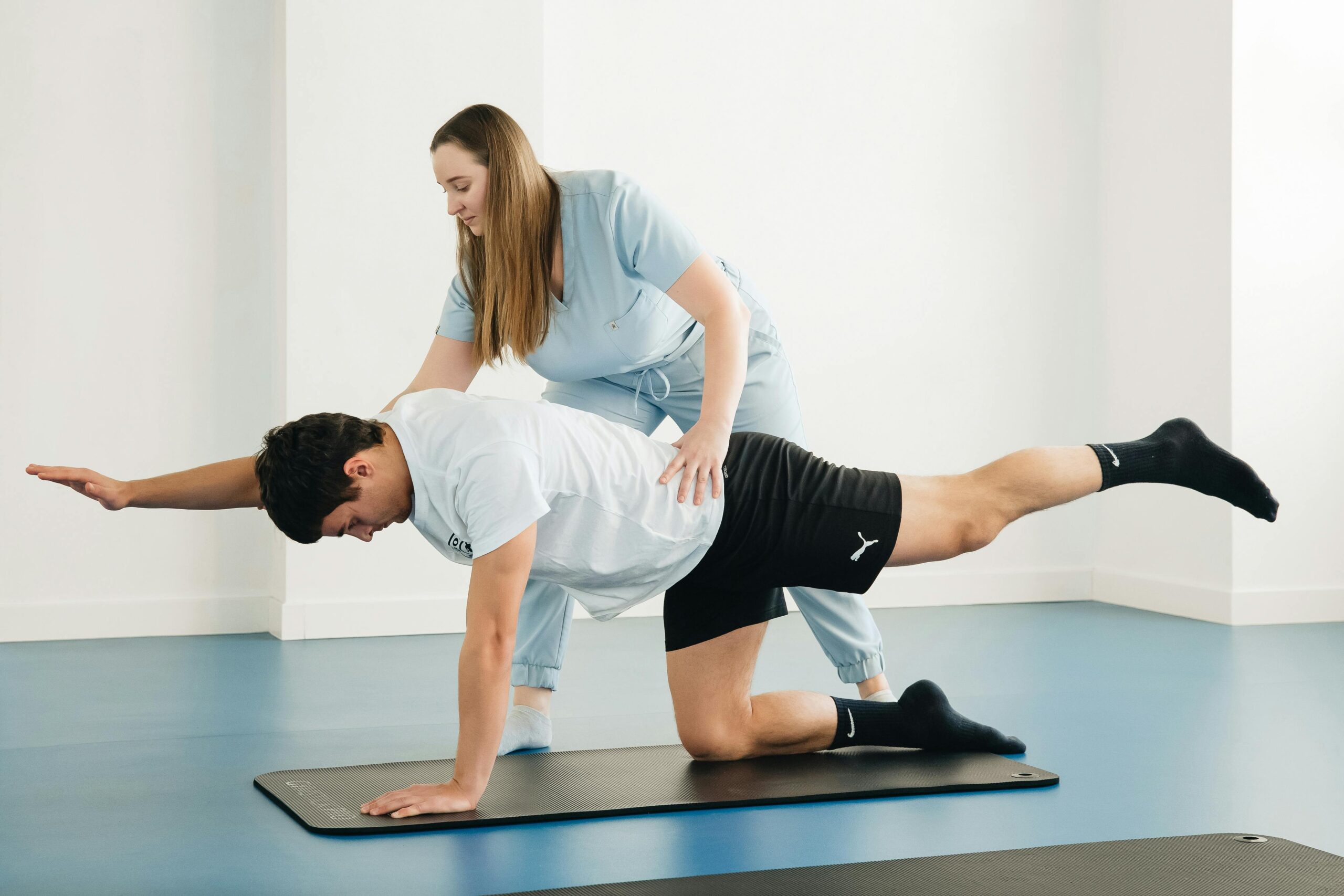
- Targeted strengthening to support the mobilized joint
- Postural or movement retraining to prevent recurrence
- Neuromuscular re-education for smoother, more coordinated motion
- Patient education on activity modification and joint care
For example, someone recovering from a shoulder injury may receive mobilization to restore joint motion, followed by exercises that build strength and control in the rotator cuff. This combination helps ensure that improved movement translates into lasting performance in daily tasks.
When Joint Mobilization Is Most Useful
Some patients are better candidates for this technique than others. Your physical therapist may consider this approach if you have:
- Stiffness following immobilization (such as after a fracture or surgery)
- Joint pain related to arthritis or joint degeneration
- Limited range of motion without muscle tightness
- Movement patterns that suggest mechanical joint dysfunction
This technique is especially effective in areas such as the spine, shoulder, hip, and ankle. In each case, the therapist chooses the grade and direction of movement based on your symptoms and goals.
Personalized Care Makes the Difference
Every joint moves a little differently, and so does every person. That’s why joint mobilization is most effective when integrated into a personalized plan that considers your health history, goals, and daily demands. At Full Strength, we begin with a thorough assessment and build your plan from there, always explaining what we’re doing and why.
Your treatment sessions may include mobilizations, but they also focus on giving you the tools to keep improving outside the clinic. Education, targeted exercises, and progress tracking help ensure that you’re moving forward with purpose and support.
Find Relief and Move Better with Full Strength
You don’t have to accept joint stiffness as a normal part of life. With joint mobilization and a personalized treatment plan at Full Strength, you can take confident steps toward better movement, less pain, and more independence.
Let us help you restore motion and feel more comfortable doing what you enjoy. Contact Full Strength today to schedule your evaluation and begin your path to better mobility.



Leave a Reply