If you’re an active adult, recreational athlete, or competitive player, chances are you’ve asked some version of this question:
“How can I recover faster from sports without getting hurt again?”
Sports recovery matters more now than ever. Busy schedules, aging tissues, and higher training loads mean that soreness lingers longer, injuries stack up faster, and rest alone no longer works.
Many athletes try foam rollers, massage guns, supplements, or recovery drinks. Some help temporarily. Most don’t solve the real problem.
Sports recovery is not just about feeling less sore.
It’s about restoring movement quality, strength, and control so your body is actually ready for the next workout or game.
This article is for:
- Active adults who want to keep playing without setbacks
- Athletes frustrated by slow recovery after workouts
- Anyone searching for the best tools for sports recovery that actually work
We’ll break down five proven physical therapy strategies that professionals use to help athletes recover faster and return to performance safely. These are the tools we use in our sports physical therapy clinics to bridge the gap between rehab and performance.

What Sports Recovery Actually Means and Why Most Athletes Get It Wrong
Sports recovery is the process of restoring your body’s ability to move, load, and perform between training sessions.
Most athletes misunderstand recovery. They assume it means:
- Taking days off
- Stretching more
- Using recovery equipment
Those strategies address symptoms, not causes.
What Is The Best Way To Recover From Sports Fatigue?
True sports recovery focuses on:
- Joint motion and tissue health
- Strength and coordination
- Nervous system readiness
- Load tolerance over time
If those aren’t addressed, soreness returns and injuries follow.
The best recovery approach is active and targeted. It identifies what tissues are overloaded and restores movement capacity before the next session.
At Solutions Physical Therapy & Sports Medicine, recovery is treated as part of long-term performance, not a break from it. This approach aligns with longevity-focused care discussed in Sports Aren’t Just for Kids: Play Your Way to a Longer, Higher-Performing Life.
Most athletes get it wrong because they skip formal assessment by a professional. Without knowing why recovery is slow, they rely on generic tools that don’t match their needs.
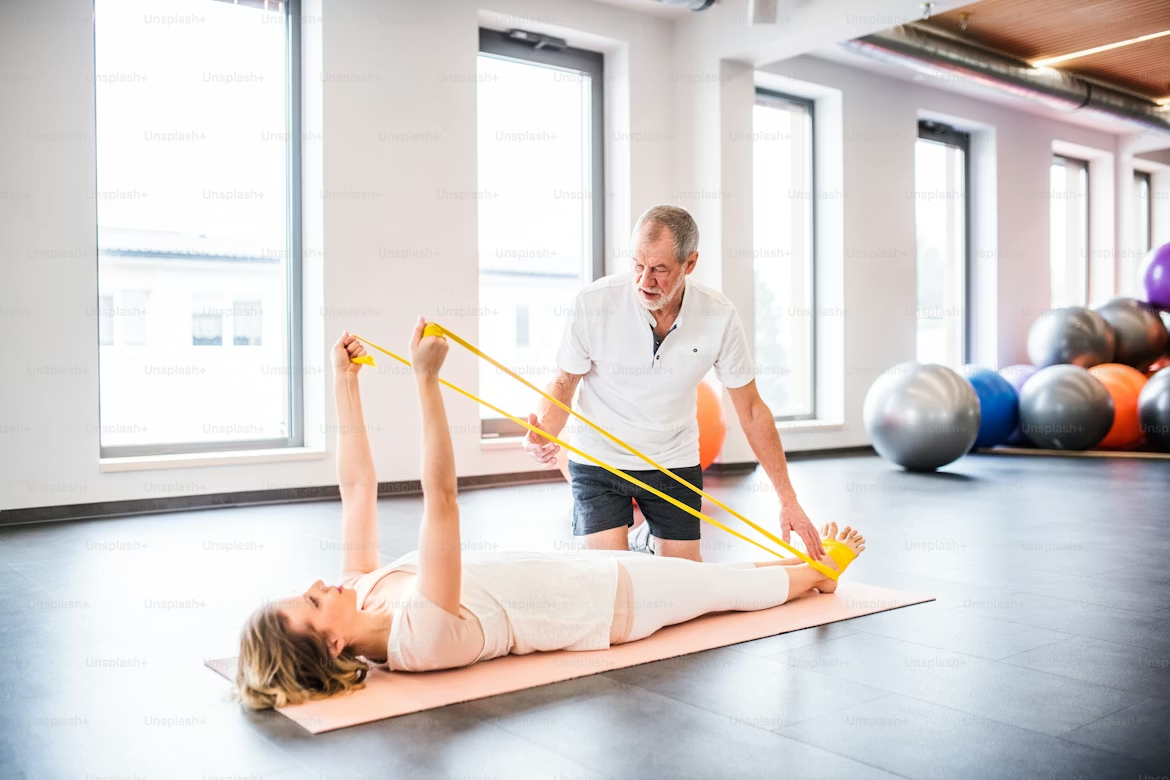
How Physical Therapists Speed Up Sports Recovery Without Guesswork
To put it plainly, we identify movement limitations and apply targeted interventions…instead of generic recovery methods.
What PTs Look For
- Restricted joint motion
- Weak or delayed muscle activation
- Tissue overload patterns
- Poor load progression
This explains why pro athletes recover faster. They don’t guess. (Or ask ChatGPT). They follow a plan from a professional. That can include, for example, combining manual therapy, corrective exercise, and progressive loading under expert supervision.
The Five Most Effective Sports Recovery Strategies (and When to Use Each One)
The best sports recovery tools are those matched to the athlete’s limitation and recovery stage.
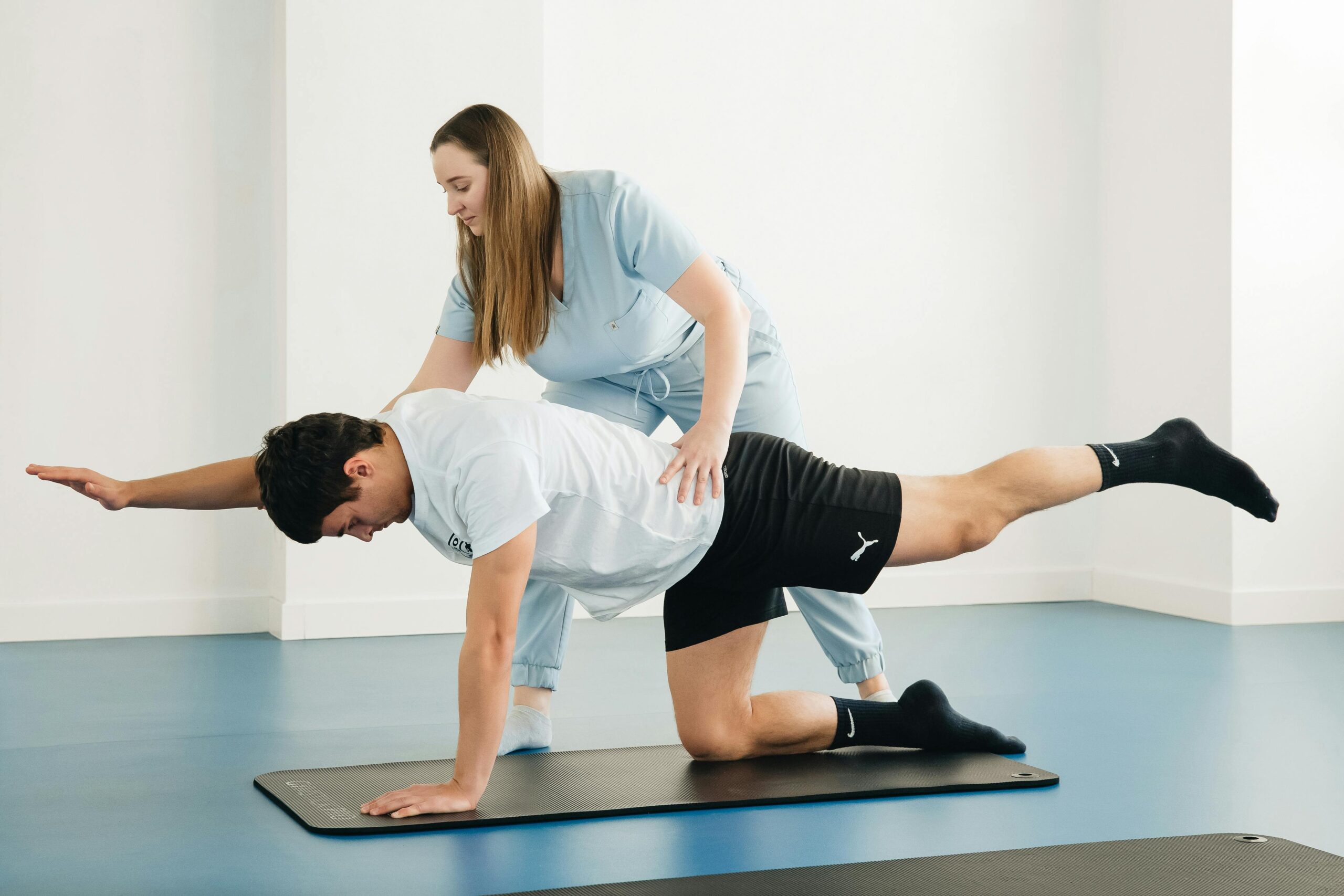
1. Therapeutic Exercise
Used to restore strength, control, so that your body can confidently handle training loads without compensating, breaking down, or flaring up after activity.
Best for:
- Muscle imbalances
- Poor movement mechanics
- Preventing re-injury
Therapeutic exercise is a great way to restore function and live a pain-free life.
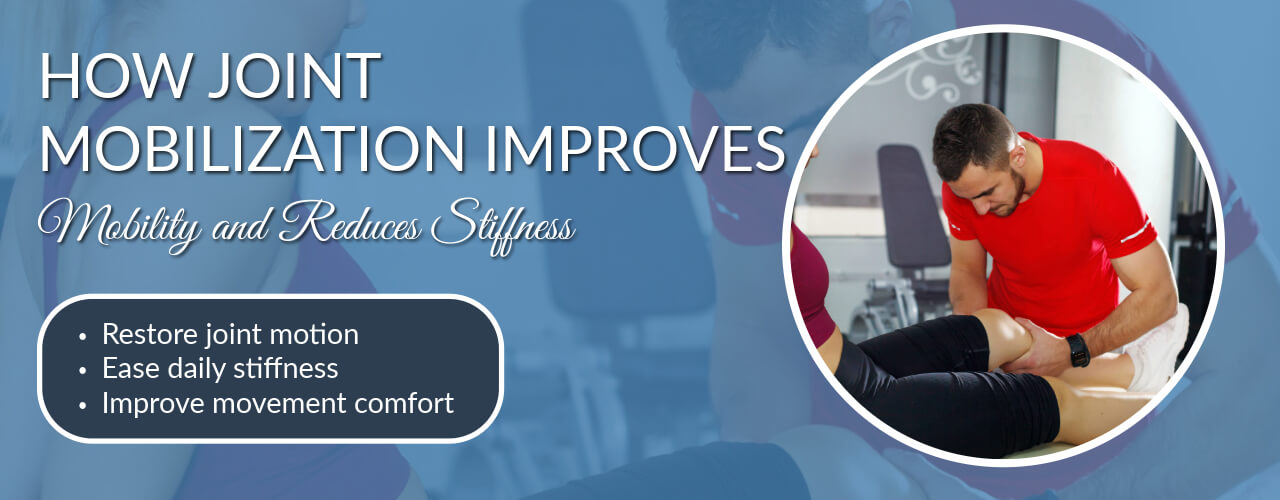
2. Joint Mobilization
Improves joint motion and load distribution so that impact is shared evenly across your body instead of overloading one joint or muscle during sport.
Best for:
- Stiff ankles, hips, shoulders, or spine
- Pain that returns after activity
This form of treatment involves the passive movement of specific joints using the skilled application of force, direction, and technique.
3. Manual Therapy and IASTM
Addresses tissue quality and movement freedom so that muscles and connective tissue can move smoothly, recover faster, and support efficient movement.
Best for:
- Chronic tightness
- Post-training soreness that lingers
This particular form of treatment assists with reducing inflammation, decreasing restriction, and increasing your range of motion. Learn more about the Benefits of Manual Therapy Techniques for Injury Recovery here.
4. Dry Needling
Targets trigger points and neuromuscular tension so that muscles can relax, fire properly, and regain normal range of motion during activity.
Best for:
- Persistent muscle tightness
- Limited range of motion
It is used to treat numerous musculoskeletal issues, including acute and chronic injuries, overuse injuries, neck pain, headaches, back pain, sciatica, muscle spasms, muscle strains, tendinitis, knee pain, hip pain, fibromyalgia, tennis elbow, golfer’s elbow, and more. If you are looking for relief and would like to gain more information, check out how dry needling could benefit you here.
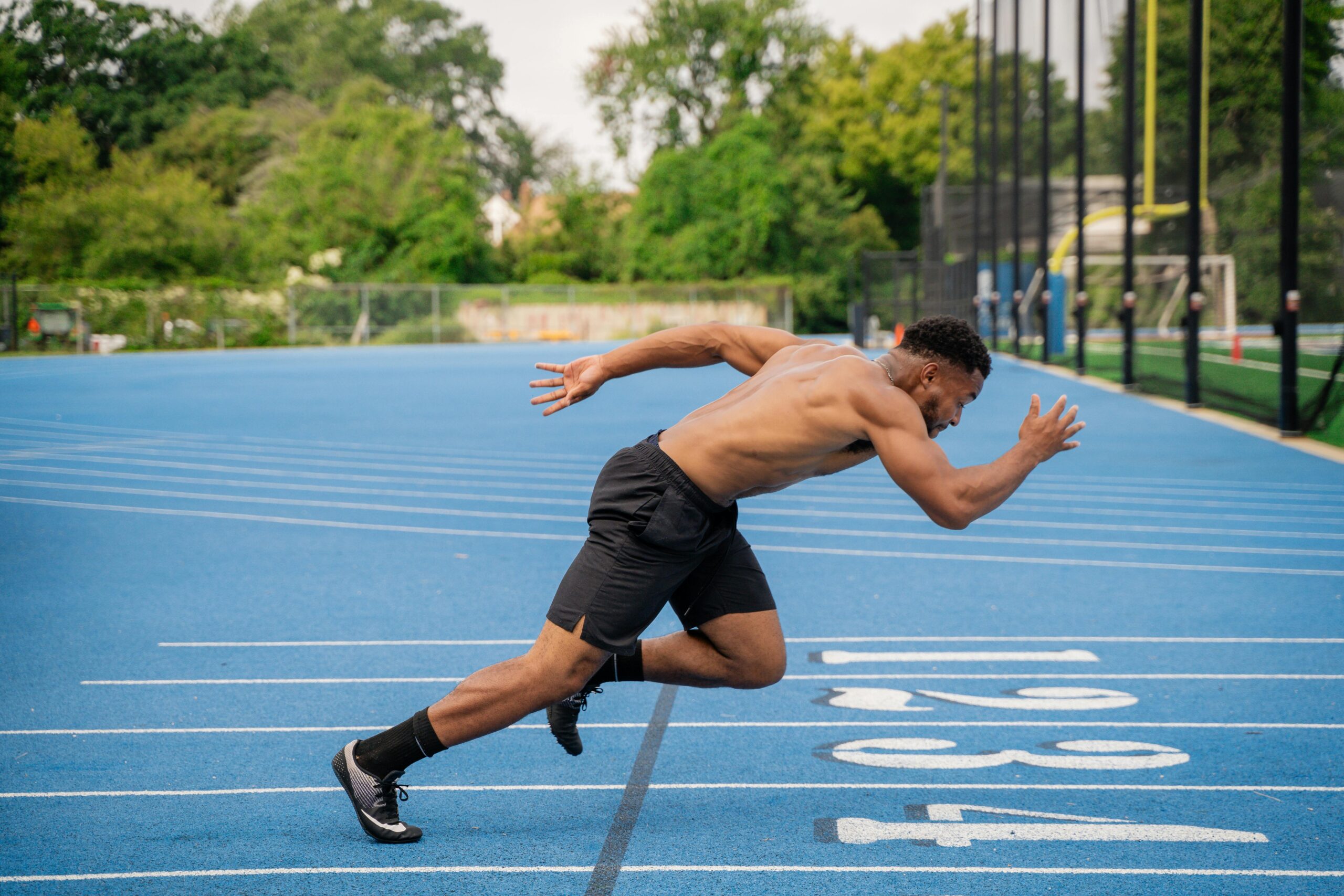
5. Return to Sports Progressions
Gradually restores speed, power, and agility so that your body is prepared for real sport demands and pain-free daily movement.
Best for:
- Avoiding setbacks
- Building confidence after injury
With our sports injury rehabilitation programs, you will be able to get back to doing the activities you love in no time.

How to Progress Sports Recovery Into a Safe Return to Performance
Recovery only works if it progresses into performance. If you stop recovery once pain decreases, that’s where injuries repeat.
The Return-to-Sport Framework
- Restore movement
- Build strength
- Add speed and power
- Reintroduce sport demands
This mirrors the staged approach explained in
Mastering Knee Rehabilitation: Techniques for Optimal Recovery
https://fullstrengthpt.com/mastering-knee-rehabilitation-techniques-for-optimal-recovery/
How can athletes improve recovery time after intense workouts?
Recover faster by pairing recovery strategies with progressive training. Rest alone won’t do it!
At Solutions Physical Therapy & Sports Medicine, recovery plans are personalized so that you can return to sport faster (and safely!). Some athletes need mobility. Others need strength. Many need both.

Sports recovery is not about doing more.
It’s about doing the right things at the right time.
If you’ve tried stretching, rolling, supplements, or recovery tools and still feel sore, stiff, or limited, the issue is not effort. It’s strategy.
Physical therapy bridges the gap between:
- Feeling better
- Moving better
- Performing better
That’s why PT-led sports recovery works. It removes guesswork, shortens downtime, and protects long-term performance.
If you want to recover faster, train smarter, and stay active longer, expert-guided recovery matters. Call us at 703-672-7169, or click here to schedule your appointment and start your path to healing.