Why Sports Recovery Feels Harder Than It Used To
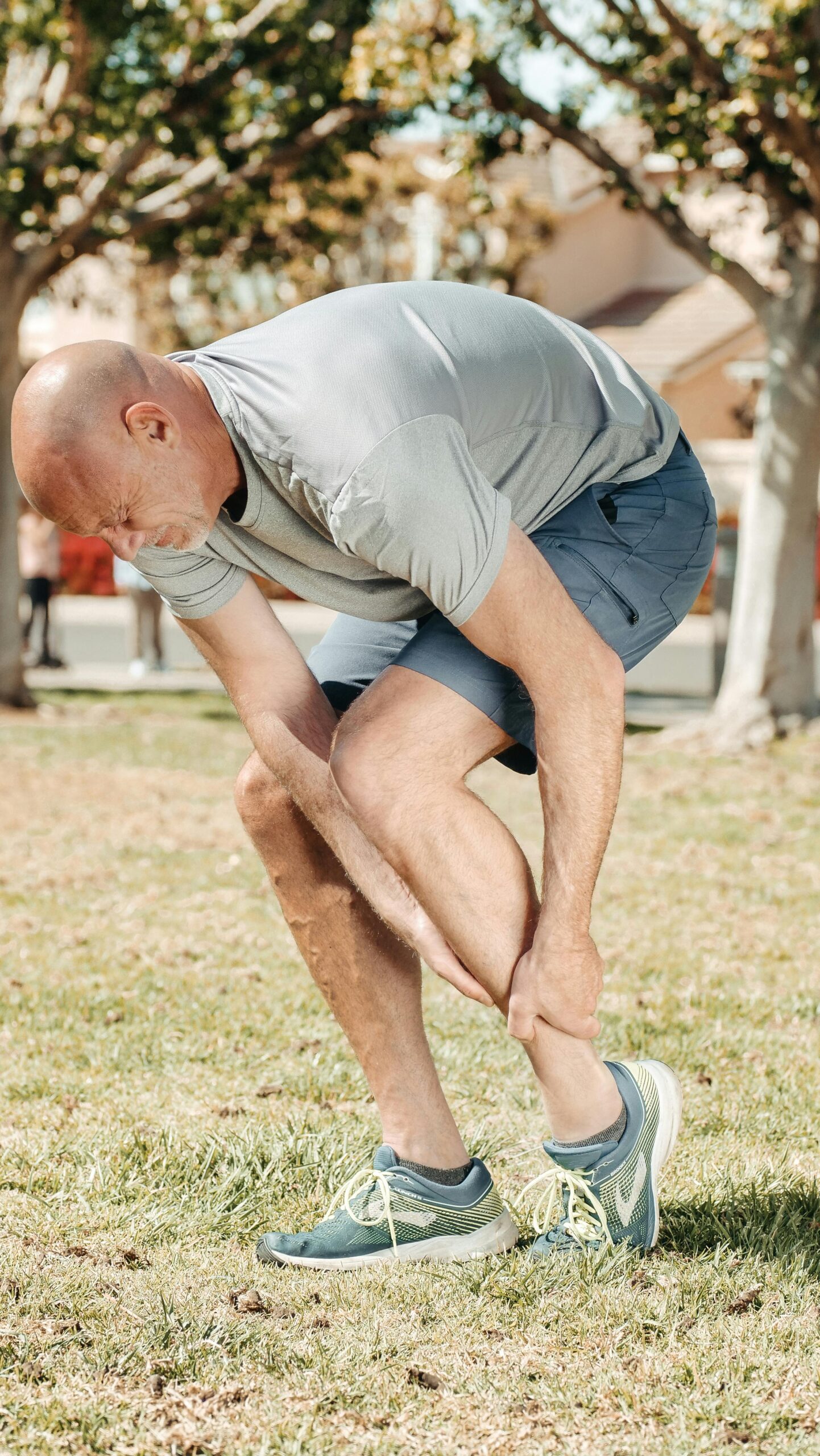
Many active adults notice that sports recovery feels slower in their 40s and 50s, even when training habits have not changed. Workouts that once felt energizing now leave lingering soreness. Small aches turn into nagging pain. Fatigue builds instead of clearing.
This is not a motivation problem. It is not weakness. And it is not a sign that you should stop training.
It leaves you asking questions like “Why am I always sore?”, “Why is my body not recovering from exercise?”, or “Do I need more rest days now?”
Sports recovery depends on how well your body adapts to training stress. As you age, the systems that support recovery change. Hormones shift. Sleep quality drops. Life stress increases. Muscle tissue repairs more slowly. The margin for error gets smaller.
Most people respond by doing more…more stretching, more foam rolling, more supplements. Or worse, more workouts to “push through it.”
That usually backfires.
This article explains:
- Why sports recovery changes with age
- The most common mistakes that keep active adults sore
- How sleep and stress quietly block recovery
- What actually works for sports recovery long term
You don’t have to stop training. The goal is to recover smarter so you can keep training for life.
Why Sports Recovery Changes as Your Body Gets Older
Sports recovery slows with age for real physiological reasons, not because you are doing something wrong.
As you get older:
- Muscle protein synthesis slows, meaning muscle tissue repairs more slowly
- Tendons and connective tissue adapt at a slower rate than muscle
- Hormonal responses to training, including testosterone and growth hormone, decline
- Inflammation lasts longer after hard sessions
At the same time, training stress often stays the same or increases. Many midlife athletes train like they did at 25, but recover like they are 45.
That gap creates persistent soreness.
Another key factor is recovery capacity. Your recovery capacity is the total amount of stress your body can handle and still adapt positively. Training is only one stressor.
Work stress. Poor sleep. Travel. Family obligations. All of it counts.
When total stress exceeds recovery capacity, your body never fully adapts. Instead of building strength or endurance, you accumulate fatigue.
This is why many active adults say:
- “I feel sore all the time”
- “I never feel fully recovered”
- “I get hurt doing normal workouts”
This is not overtraining in the extreme sense. It is chronic under-recovery.
The fix is not stopping exercise. Instead, it is matching training intensity, volume, and recovery strategies to your current physiology.

The Most Common Sports Recovery Mistakes That Keep You Sore
Most sports recovery problems are caused by misplaced effort. (It’s not your fault that you don’t know what you don’t know).
Here are the most common mistakes we see.
Mistake 1: Confusing soreness with progress
Soreness is not a requirement for adaptation. Constant soreness often means you are exceeding recovery capacity, not building fitness.
Mistake 2: Not taking enough rest days
Rest days are when adaptation happens. Many people train hard five to six days per week but never fully recover. This leads to stalled progress and injury risk.
Mistake 3: Doing random recovery instead of targeted recovery
Ice baths, massage guns, and stretching can feel good. They do not fix load management problems. Without proper training balance, these tools only mask symptoms.
Mistake 4: Ignoring movement quality
Poor mechanics increase tissue stress. If joints and muscles are not moving well, recovery takes longer. This is where skilled physical therapy can make a major difference.A great example is explained in our article on manual therapy and movement efficiency. Better movement means lower stress per rep. And lower stress improves sports recovery.
Mistake 5: Training intensity without variation
Doing hard sessions repeatedly without lighter days increases cumulative fatigue. Your nervous system never resets.
Effective sports recovery is about balance, not toughness.
Sleep, Stress, and Why Your Body Never Fully Recovers
If sports recovery is not working, sleep and stress are usually the missing pieces.
Sleep is the primary driver of recovery. During deep sleep:
- Growth hormone supports tissue repair
- Nervous system activity downshifts
- Inflammation is regulated
Even one hour less sleep per night significantly impairs recovery.
Stress compounds the problem. High stress elevates cortisol, which:
- Slows tissue repair
- Increases muscle tension
- Reduces training adaptation
The body does not distinguish between physical stress and emotional stress. A hard workout and a hard workday both draw from the same recovery pool.
This is why people often say:
- “I train less but feel worse”
- “I stretch more but still feel tight”
- “Recovery tools stopped working”
They are not addressing the root issue.
At Solutions Physical Therapy & Sports Medicine, we frequently see recovery improve when people:
- Adjust training frequency
- Improve sleep routines
- Reduce unnecessary training volume
- Restore efficient movement
Our article on sleep and injury risk explains this connection in more detail. Sports recovery is not just about muscles. It is about nervous system regulation and total life stress.

What Actually Works for Sports Recovery as You Age
Effective sports recovery focuses on what your body needs now, not what worked years ago.
Here is what consistently works for active adults.
1. Smarter training structure
- Fewer high-intensity days
- More variation in load
- Planned rest days
2. Strength training with intent
Strength supports joint health and resilience, but volume and progression must be managed. Quality beats quantity.
3. Movement efficiency
Better mechanics reduce unnecessary tissue stress. This improves recovery between sessions. Our post on preventing adult athlete injuries breaks this down further.
4. Sleep protection
Consistent sleep timing matters more than perfection. Even small improvements improve recovery outcomes.
5. Professional guidance
A physical therapist can identify why recovery is stalling and adjust training accordingly.
At Solutions Physical Therapy & Sports Medicine, we bridge rehab and performance. We help active adults:
- Reduce chronic soreness
- Train without flare-ups
- Build strength that lasts
We can support you to train in a way your body can sustain.
Check out these 5 Proven Physical Therapy Strategies to Speed Up Sports Recovery.

Sports Recovery Is the Key to Long-Term Performance
If you feel sore all the time, your body is not broken. It is asking for a better recovery strategy. Here is How Physical Therapy Accelerates Sports Recovery and Performance.
Sports recovery changes with age, but that does not mean decline is inevitable. With the right balance of training, rest, movement quality, and stress management, most people feel better, not worse, as they age.
The mistake is pushing harder instead of recovering smarter.
When sports recovery works:
- Workouts feel productive, not draining
- Soreness resolves faster
- Injuries become less frequent
- Confidence returns
If you are stuck in a cycle of soreness or stalled progress, expert guidance can help. Click Here to Book Your Assessment now. At Solutions Physical Therapy & Sports Medicine, we help active adults build strength, recover fully, and stay in the game for life.