

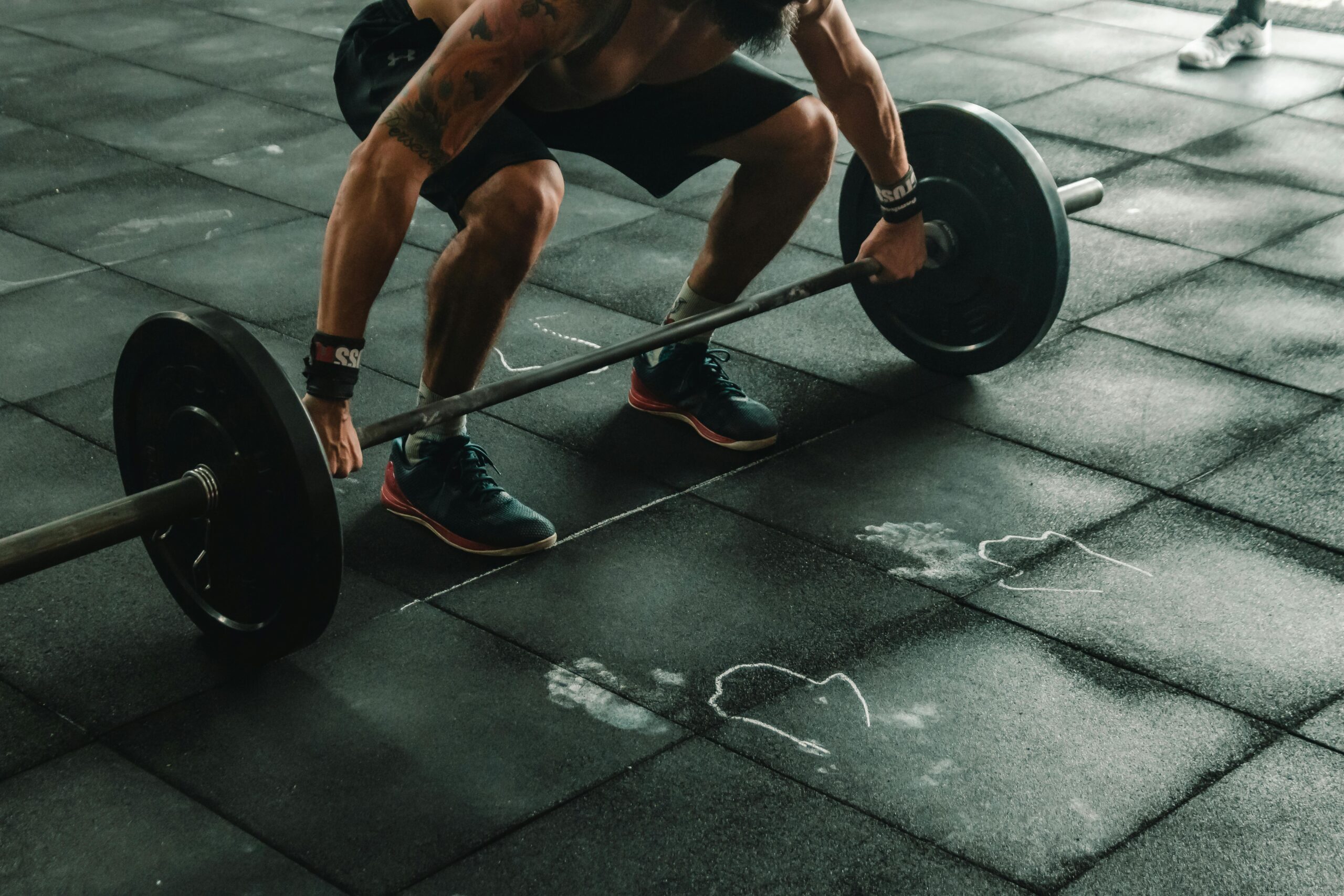
If you are over 40 and want to stay strong, mobile, and independent, power training may be one of the most important things you do.
Most active adults focus on traditional strength training or cardio. While those matter, the research shows that muscle power declines earlier and at a faster rate than muscle strength as we age. Studies reporting power losses of 3–4% per year after midlife, making power one of the strongest predictors of functional independence (Skelton et al., 1994; Metter et al., 1997; Reid & Fielding, 2012).That means your ability to move quickly, react, catch yourself, or change direction is often the first quality to fade.
And that is what keeps you independent.
Power training combines strength and speed. It improves reaction time, reduces fall risk, protects bone density, and supports long-term performance.
This article is for:
• Active adults over 40 who want longevity
• Parents who want to keep up with their kids
• Adults supporting aging parents
• Recreational athletes who want to avoid decline
If you have ever asked:
• What is the best workout for longevity?
• Is power training better than strength training?
• What exercises improve muscle power?
• How do I stay explosive as I age?
This guide gives you clear answers and five proven exercises.
What Is the Best Strength Training for Longevity?
When people ask, “What is the best exercise routine for overall health?” the answer is layered.
For longevity, the foundation includes:
- Progressive overload
- Compound movements
- Adequate intensity
- Consistency two to three times per week
Traditional strength training builds muscle mass. That helps preserve metabolism, bone density, and joint stability.
But strength alone is not enough.
Here is the difference:
• Strength = how much force you can produce
• Power = how fast you can produce that force
Power training builds on strength by adding speed. This matters because daily life is fast:
• Catching yourself from a trip
• Stepping off a curb
• Lifting a suitcase quickly
• Changing direction in pickleball
These are all places where your power training will support you in daily life.
Studies consistently show that muscle power predicts functional independence more strongly than strength alone. Adults with more leg muscle power demonstrate better balance, faster walking speed, and reduced fall risk in older adults (Source: PubMed).
At Full Strength Physical Therapy, we assess both strength and movement speed. We do not stop at “back to normal.” We guide clients from rehab into intelligent power training.
If you are already lifting weights, that is excellent. The next step is learning how to convert that strength into usable, protective power.
Improving Muscle Power Protects Your Independence
If you are asking, “Is power training safe after 40?” the answer is yes, when programmed correctly.
Muscle power declines up to 2 times faster than strength with aging. That decline impacts:
• Reaction time
• Balance
• Fall prevention
• Athletic performance
• Bone loading
On the other hand, power training improves:
• Neuromuscular coordination
• Fast-twitch muscle fiber activation
• Tendon stiffness and joint stability
• Bone density stimulus
That combination is critical for longevity.
Consider this real-world example:
An active 55-year-old golfer can deadlift solid weight. Strength is present. But when he slips on wet grass, he cannot react quickly enough to stabilize. That is not a strength issue. It is a power issue.
Another example:
A 60-year-old grandmother trains regularly but avoids speed work. When stepping off a curb unexpectedly, she struggles to correct her balance. Power training improves that rapid response system.
At Full Strength Physical Therapy, we introduce speed gradually:
• Start with fast sit-to-stand
• Progress to low-level hops
• Add loaded power movements
We tailor intensity based on joint health, mobility limitations, and injury history.
If you want to reduce injury risk while staying active, power training should be part of your program.
For more on preventing adult athletic injuries, see: How to Prevent Adult Athlete Injuries and Stay in the Game
5 Best Exercises for Power Training After 40
If you are searching for the best exercises for power training at home or gym, start here. These five movements build lower-body and upper-body power safely.
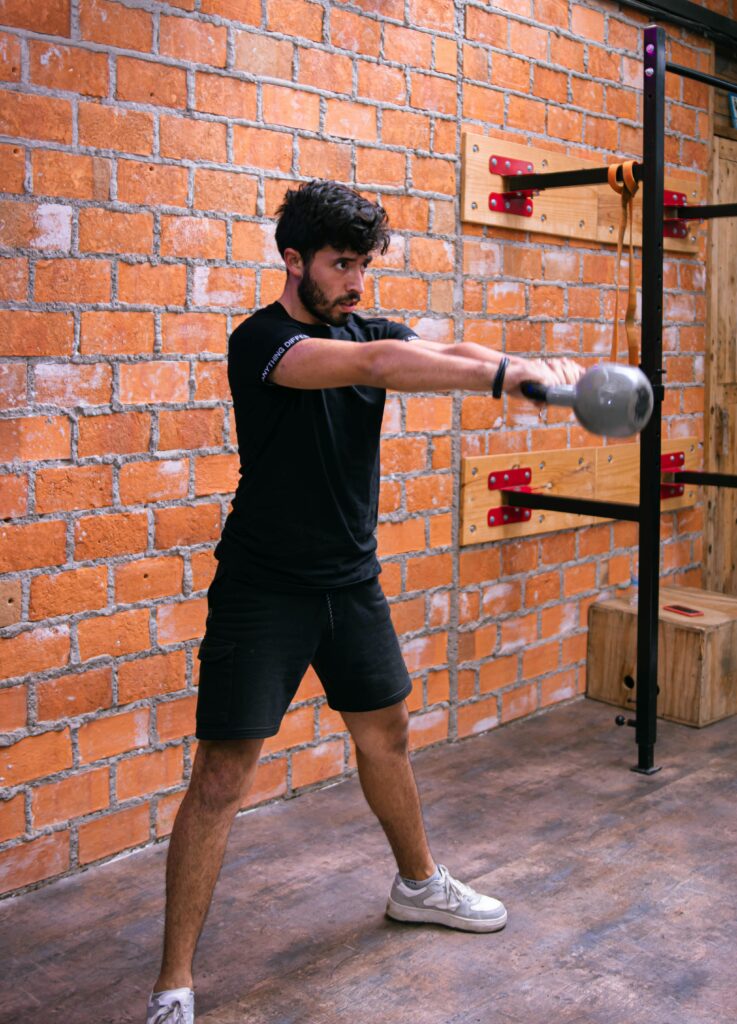
1. Kettlebell Swings
Why it works:
• Trains explosive hip extension
• Builds posterior chain strength
• Improves coordination
Use moderate weight. Focus on snapping the hips forward quickly.
2. Fast Sit to Stand
Why it works:
• Beginner-friendly
• Directly improves daily function
• Low equipment needed
Stand up as quickly as possible. Sit down with control.
This is a simple but powerful starting point.
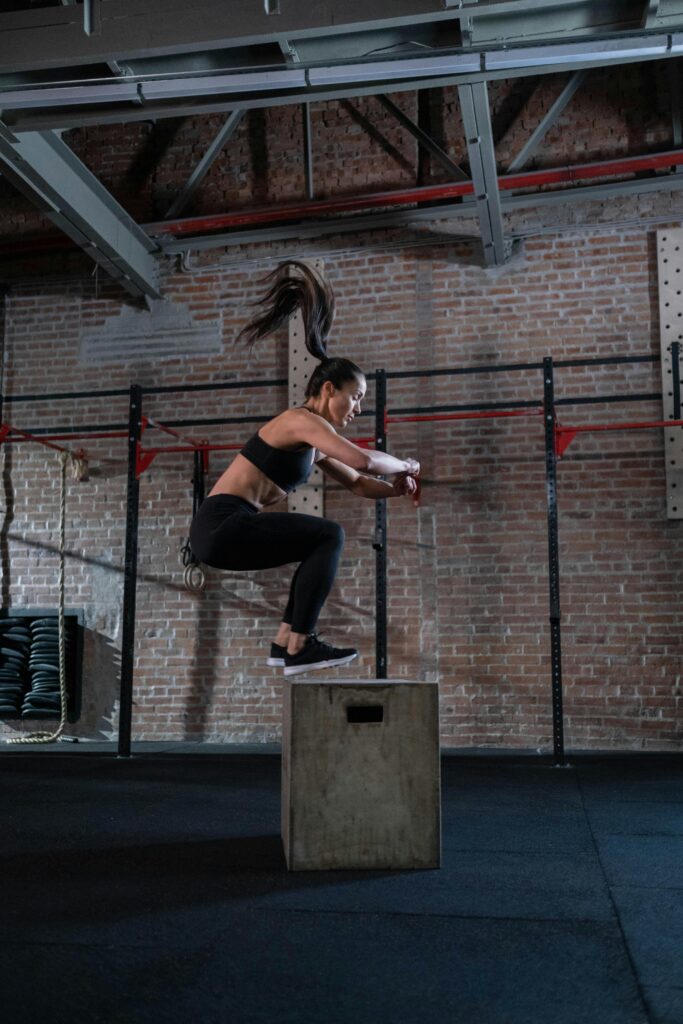
3. Box Jumps or Step Jumps
Why it works:
• Trains rapid force production
• Improves landing mechanics
• Stimulates bone density
If jumping feels like too much, begin with fast step-ups.
For proper jumping progressions, see How To Use Box Jumps Correctly for Rehab and Training
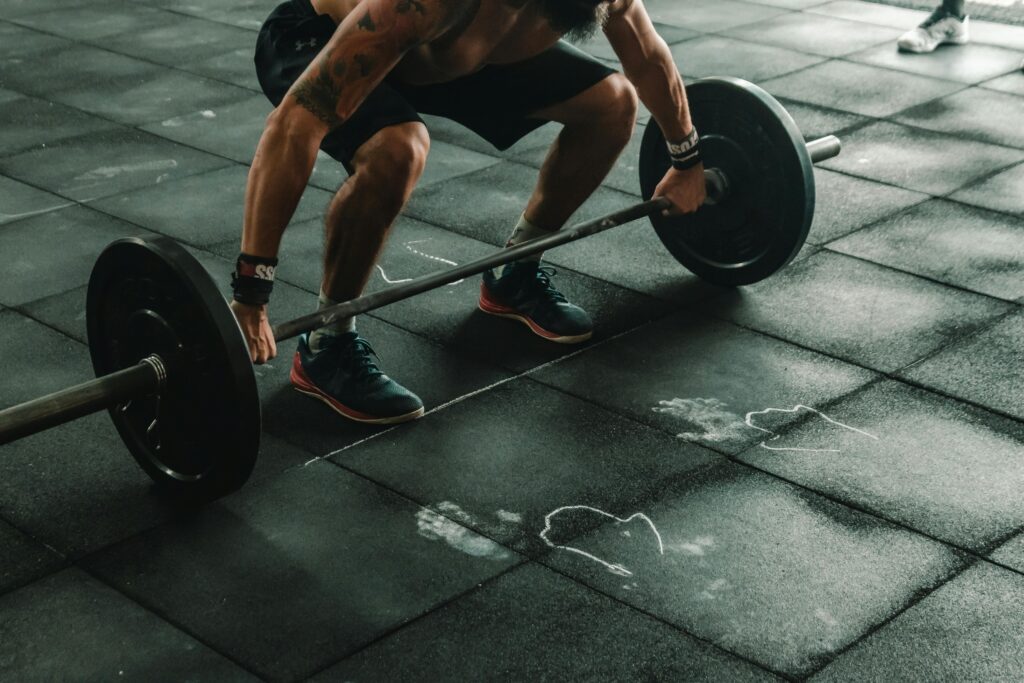
4. Fast Deadlifts
Why it works:
• Builds loaded power safely
• Reinforces hip drive
• Transfers to sports and daily life
This is ideal once foundational strength is established.
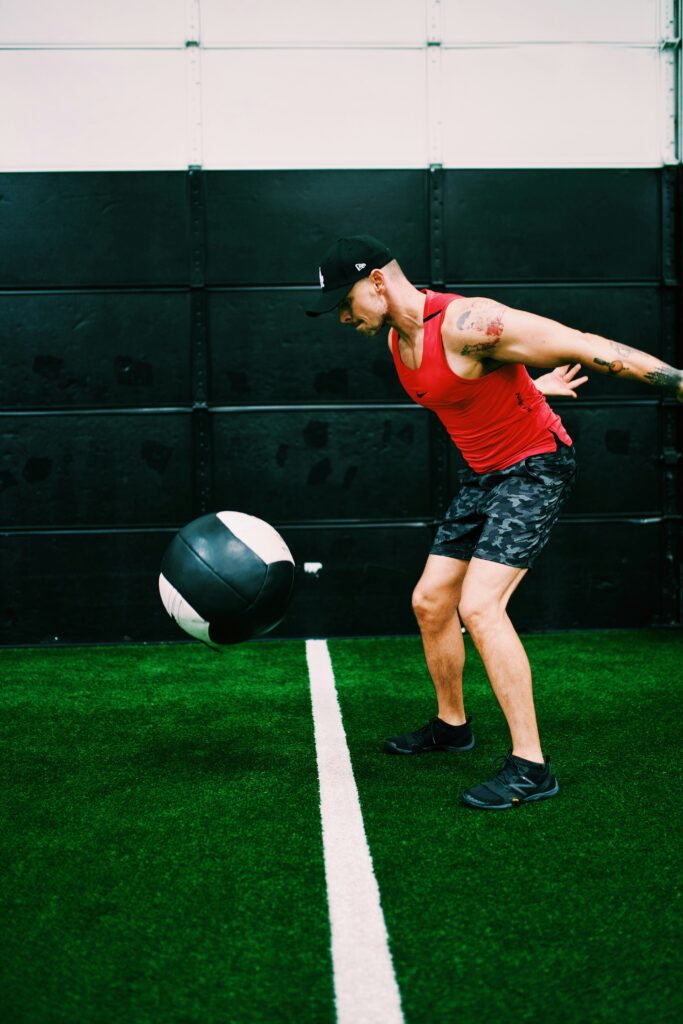
5. Medicine Ball Chest Pass or Rotational Throw
Why it works:
• Develops upper body speed
• Improves rotational power
• Enhances core activation
This is excellent for golfers and tennis players.
Build Power Training Safely with Expert Guidance
Many people hesitate to start power training because they worry about injury. That concern is valid. Power training done randomly or without progression can stress joints. That is why expert programming matters.
At Full Strength Physical Therapy, we follow a system:
- Movement assessment
- Mobility screening
- Strength baseline testing
- Gradual speed introduction
- Progressive overload
We modify volume and intensity based on:
• Joint history
• Bone health
• Current activity level
• Sport-specific goals
We also emphasize recovery, sleeping your way to lower injury risk, and aerobic conditioning.
Our goal is simple: Move you from recovery into performance. Power training should make you feel more capable and confident every day.
Protect Your Longevity With Power Training
If you are over 40 and want to maintain independence, athleticism, and confidence…power training is not optional. Strength builds the engine; power training makes it responsive.
Power training is the best training for longevity. It keeps you athletic after 50 and helps prevent falls as you age.
The five exercises above offer a smart starting point:
• Kettlebell swings
• Medicine ball throws
• Box jumps
• Fast deadlifts
• Fast sit-to-stand
When programmed correctly, power training:
• Reduces fall risk
• Improves reaction time
• Supports bone health
• Enhances sport performance
• Protects independence
At Full Strength Physical Therapy, we help active adults bridge the gap between rehab and performance. We do not just treat pain. We build durable strength and usable power.
If you want to stay strong, capable, and ready for whatever comes next, this is your next step.





Leave a Reply