Have you ever felt a twinge in your shoulder when lifting something, or do you suffer from an aching shoulder at the end of the day? This could be a sign that your rotator cuff is weak and irritated. Various studies* show that 20% of people with shoulder pain after age 32 have a rotator cuff tear. This jumps up to 30% after age 40 and over 80% in people with shoulder pain after age 60.
The rotator cuff is a group of 4 muscles that surround the glenohumeral joint in the shoulder. Their primary job is to guide the direction of the shoulder joint while the big muscles of your trapezius, latissimus dorsi and pectoralis muscles do the heavy lifting.
What happens when the rotator cuff is weak?
Since your rotator cuff is designed to guide the shoulder joint, when certain rotator cuff muscles are weak or injured, poor alignment occurs. The result is a jamming effect of the ball end of the humerus into the socket of your shoulder blade. Over time this causes inflammation and weakness that increases with overhead motion. Your arm may feel weak with lifting overhead or painful after doing repetitive activities such as scrubbing, driving or working on a computer.
How does a rotator cuff tear happen?
There are various degrees of rotator cuff tears and many people have them without many symptoms. Rotator cuff tears are usually partial tears, but can become full tears with a fall onto the arm or with lifting a heavy object overhead. Small tears usually occur from poor posture of the shoulder joint or heavy lifting over a period of time. The small partial tearing is similar to the analogy of a rope fraying over time, until one day the rope snaps.
What can be done to help shoulder pain from a rotator cuff?
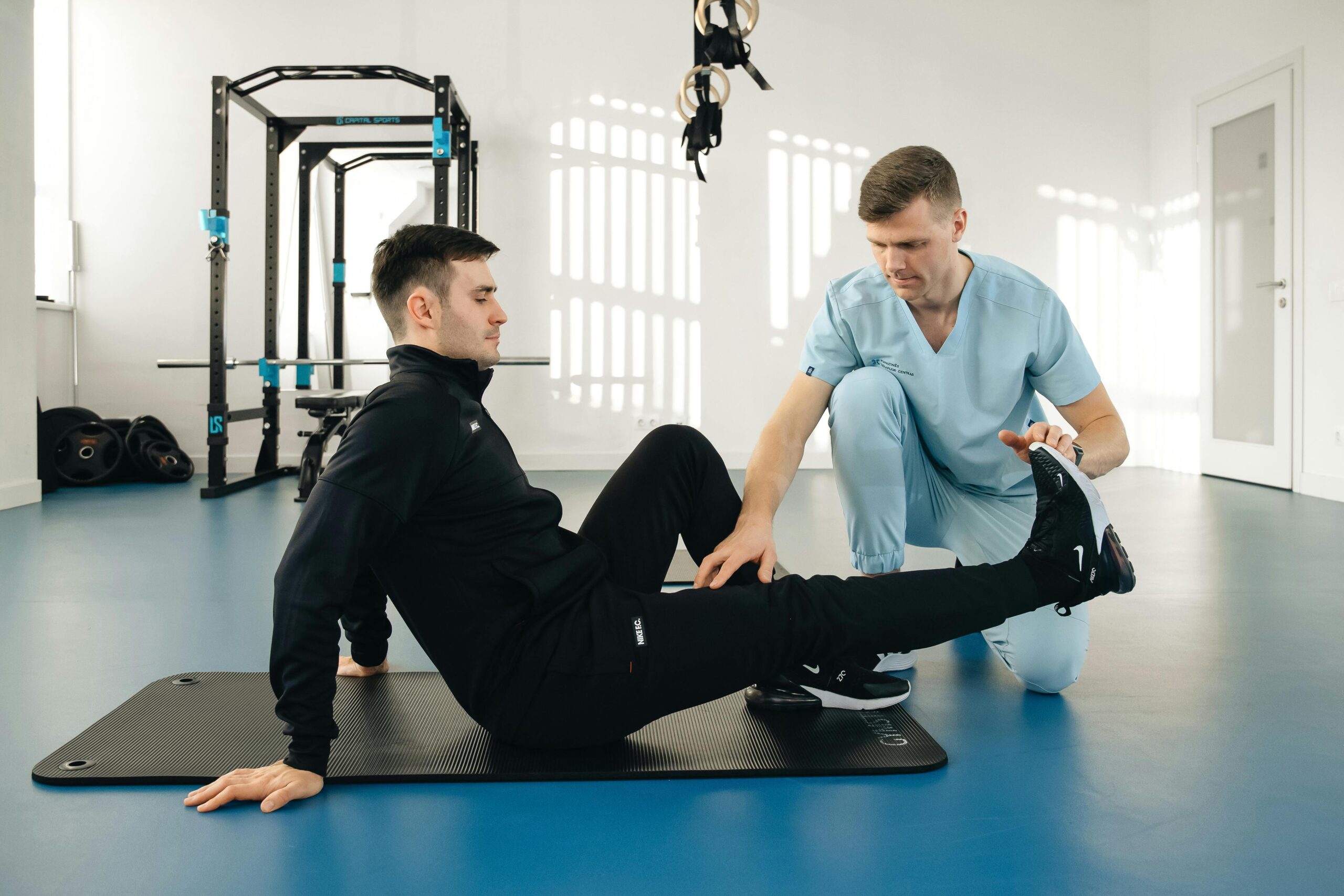
- See a physical therapist first. We have specialized training on how to test for rotator cuff tears and address the root cause of the problem, alleviating pain and restoring function. MRI’s and other tests should be done only after an exam, or if your doctor determines a need for one.
- Use ice to alleviate the swelling in the shoulder. Use an icepack for 10 minutes on your shoulder with a towel wrapped around it so it will not hurt your skin. Do this 2-3 times a day.
- Have good posture. Make sure you are standing or sitting tall, which will help your shoulder fall into a better position. Our physical therapists can also show you specific posture exercises to restore your posture.
- Gently exercise. Swinging your arm in a gentle circle, while dangling down is soothing for the shoulder. However, be careful when exercising the shoulder and see your physical therapist for the correct exercises to perform, based off your condition.
What if my pain continues?
It is important that you don’t let shoulder pain go on more than a week. You should see a physical therapist to determine what is exactly causing your pain or determine if you have a tear after an injury. It is possible that you may need an additional follow up with a physician for cortisone injections or medication. However, most cases of rotator cuff injuries or shoulder pain can be easily treated with physical therapy. In severe cases, surgery may be needed to repair the torn rotator cuff.
You don’t have to live with shoulder pain and since rotator cuff tears are common as we get older, it is important that you have the right professional examine your shoulder. Trust our physical therapy experts to evaluate your problem thoroughly and put you on the right treatment plan to a pain free shoulder. Call Solutions Physical Therapy today to speak with one of our physical therapists about your shoulder pain and return to the activities you love to do.
*http://www.wheelessonline.com/ortho/rotator_cuff_tears_frequency_of_tears