

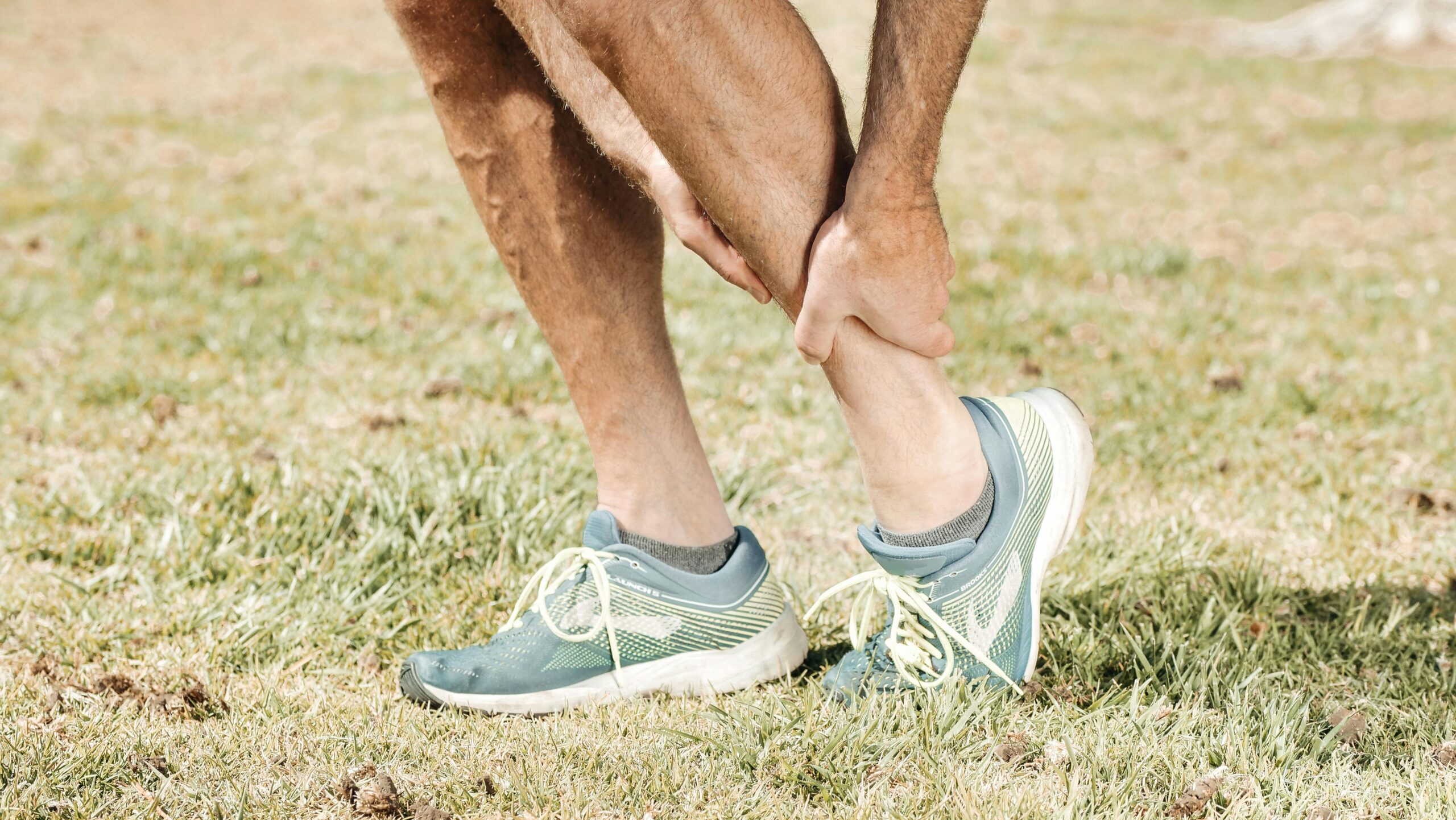
You’ve been running consistently for months. You feel fit. Your cardio is solid. But lately, your knees ache after every run, your shins feel tight, or your hips are sore for hours after you’re done.
Here’s what most runners assume: I’m just getting older, or my body isn’t built for this.
The reality is that your running form might be the culprit.
Running form is the foundation of injury prevention. When your body moves efficiently, your joints stay safe. When form breaks down (even slightly) stress concentrates in the wrong places. Knees absorb impact meant for hips. Shins take load they shouldn’t carry. Your lower back compensates for weak glutes.
However, recognizing these patterns early gives you a chance to correct them before pain becomes chronic.
Your Running Form Is the Foundation of Injury Prevention
Most runners focus on mileage, speed, or weekly volume. Few focus on how they’re moving.
But research shows that running form directly impacts injury risk. Studies published in the Journal of Orthopaedic & Sports Physical Therapy (JOSPT) demonstrate that gait abnormalities—like overstriding, poor hip stability, or asymmetrical movement—are strong predictors of common running injuries like patellofemoral pain, shin splints, and IT band syndrome.
Your running form is essentially your movement blueprint. It determines how force travels from your foot through your knee, hip, and back. When that blueprint is sound, your body distributes load safely. When it’s off, certain joints bear excessive stress.
A weak running form will eventually show up as pain.
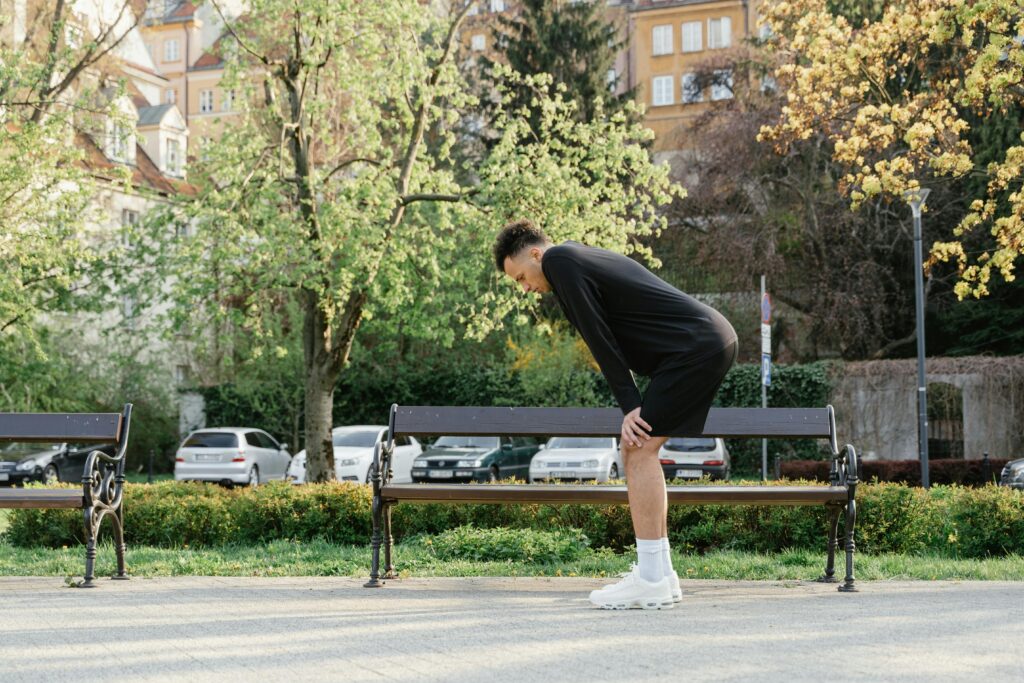
The 5 Most Common Running Form Mistakes That Lead to Pain
Most injuries develop gradually as your running form compensates for weakness, tightness, or imbalance. Here are the five form issues we see most often in the clinic.
1. Overstriding (Landing Too Far Ahead)
Overstriding acts like a brake. It forces your leg to absorb impact from an inefficient angle, placing extra stress on your knees, hips, and lower back. Your braking force increases, which means more load on joints that aren’t designed to handle it.
What it looks like: You’re overstriding when your foot lands in front of your center of gravity with each step. Your stride feels long and powerful, but you’re actually fighting your forward momentum. Your cadence is low (fewer than 160–170 steps per minute).
2. Weak Hip Stability and Glute Activation
Your glutes are your running powerhouse. They stabilize your pelvis, control your knee alignment, and generate power with each stride. When glutes are weak or inactive, your pelvis drops or sways. Your knee collapses inward. Your lower back overcompensates.
What it looks like: Your hips appear to drop on one side as you run. Your knees angle inward. You feel fatigue in your lower back or outer hip before your legs tire. The result is knee pain, hip pain, or lower back strain.
3. Excessive Forward Lean or Poor Posture
Some runners lean too far forward from the waist. Others run upright. Both extremes disrupt your center of gravity and running efficiency.
Forward lean increases impact on your lower back and knees. Upright posture can increase braking forces. The ideal posture is a slight forward lean from the ankles (not the waist!)
What it looks like: You feel tension in your lower back or shins. Your cadence feels awkward. Photos or videos show your torso too far ahead of your feet or too rigid.
4. Crossover Gait (Feet Crossing Midline)
Crossover gait is when your feet land across your body’s midline as you run, rather than staying in a straight line. This gait pattern increases internal rotation at the knee and hip, which forces joints into vulnerable positions. It’s a common cause of IT band pain, knee pain, and hip discomfort.
What it looks like: Your footprints would zigzag if you ran in the sand. You feel tightness on the outer hip or side of the knee.
5. Asymmetrical Movement or Favoring One Side
Many runners develop asymmetrical patterns by favoring one leg, pushing off unevenly, or landing harder on one side. Asymmetry overloads one leg or side of your body. That side experiences cumulative stress and higher injury risk. You’re essentially forcing one leg to do more work than the other.
What it looks like: One knee hurts more than the other. You notice soreness on one side of your lower back. Videos show your stride looks different from left to right.
How to Spot These Running Form Issues Before They Become Problems
Self-awareness is the first step. Here are simple ways to assess your own running form.
Film yourself running.
Record a 30-second video from the side and from behind. Watch for overstriding (foot landing far in front), forward lean, crossover patterns, or hip drop. You don’t need fancy equipment; a phone works fine.
Check your cadence.
Count the number of times your right foot lands in 60 seconds, then multiply by two. Aim for 160–180 steps per minute. If you’re below 160, you’re likely overstriding.
Notice where you feel fatigue or soreness.
Fatigue in your quads, shins, or lower back often signals form breakdown. Pain in your knee, hip, or IT band is a red flag that something’s off.
Get a professional gait analysis.
This is where a physical therapist or running specialist uses video analysis, movement screening, and sometimes force plate technology to identify exactly what’s happening with your running form. A running analysis assessment provides objective data about your movement patterns and specific corrections you need.
Test your hip and glute strength.
Stand on one leg for 30 seconds. Does your hip drop? Can you hold steady? Weakness here signals a need for glute activation work.
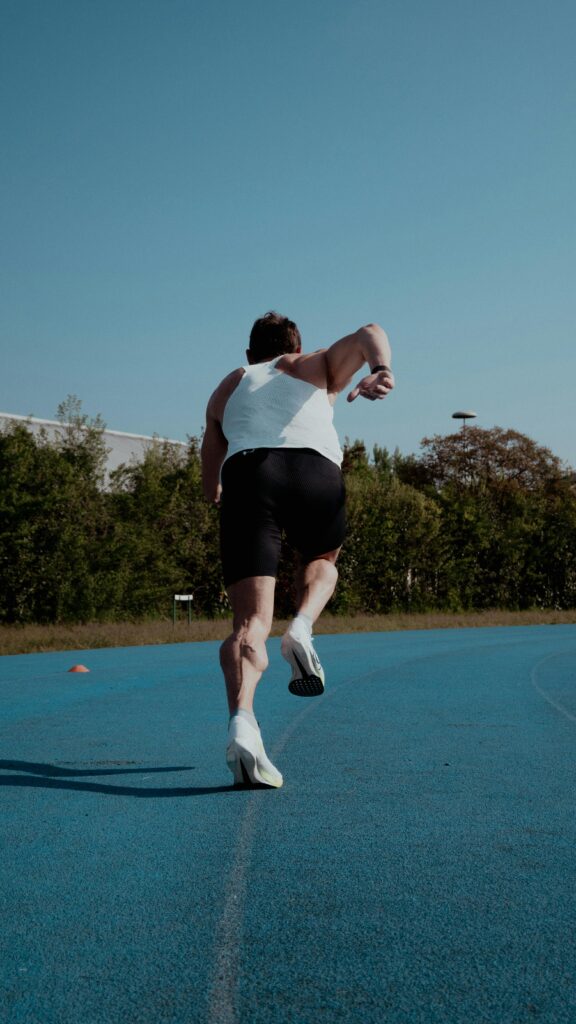
Fix Your Form To Protect Your Running Future
Running form can be improved at any level. Whether you’re a beginner or a seasoned runner, poor form is fixable.
- Start with cadence.
Increasing your step rate to 170+ steps per minute naturally shortens your stride and reduces overstriding. Use a metronome app or running watch to help you pace.
2. Strengthen your glutes and hips.
Exercises like single-leg bridges, clamshells, and lateral band walks activate and build the muscles that stabilize your running. Even 10 minutes, three times per week, makes a difference.
3. Focus on running posture.
Lean slightly forward from the ankles, not the waist. Keep your chest open. Let your arms swing naturally. Your head should feel balanced over your spine.
4. Run on varied terrain.
Trails, tracks, and uneven surfaces force your stabilizer muscles to work harder, which strengthens the small muscles that support efficient movement. This builds resilience against injury.
5. Get a professional assessment.
A physical therapist can identify your specific form issues and create a plan to address them. This might include video analysis, strength testing, and a targeted exercise program.
Many runners try to fix form on their own using YouTube videos or apps…but generic advice doesn’t account for your unique movement patterns, history, or goals. A running form assessment from a trained PT gives you personalized corrections backed by clinical expertise.
Ready to Run Stronger and Injury-Free
Your running form is the difference between running that hurts and running that feels strong. Small adjustments now prevent big problems later.
If you’ve noticed pain during or after runs, or if you simply want to optimize your running form before injury strikes, a professional assessment is your smartest move.
At Full Strength Physical Therapy, our running specialists use video analysis and movement screening to identify exactly what’s happening with your running form. We create a personalized plan to correct those patterns and build strength and resilience so you can run confidently and pain-free.
Click here to book your Running Form Assessment today. One of our specialists will evaluate your movement, answer your questions, and give you a clear action plan to improve your form and prevent injury.
Don’t let poor running form sideline you. Start today.




Leave a Reply