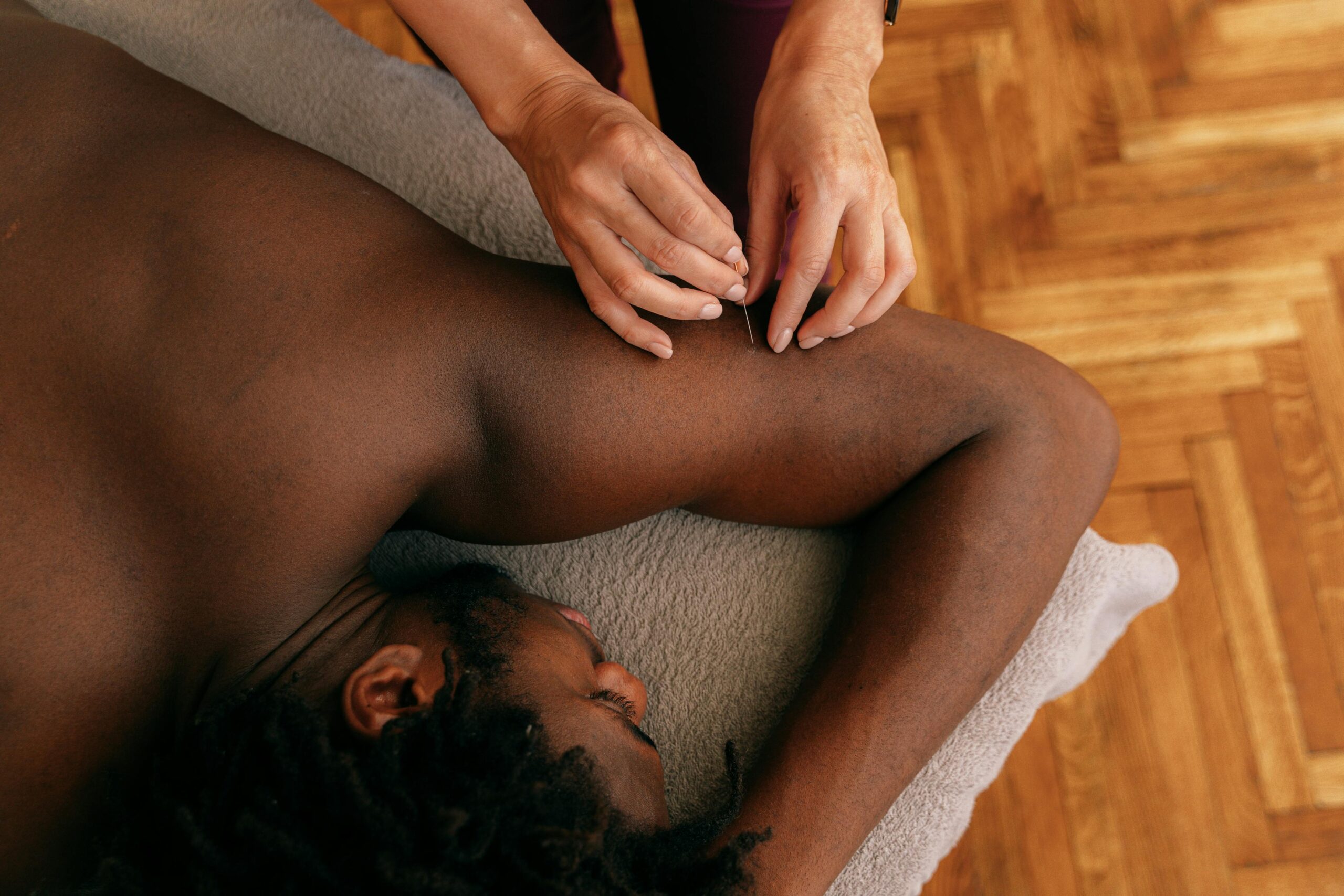
Addressing chronic back pain: 5 Tips to help you feel better faster
According to the Centers for Disease Control and Prevention, around 1 in 5 people have chronic back pain.
If you experience pain and discomfort on a daily basis, we encourage you to consult with a physical therapist who can work with you to address the symptoms and causes of your pain and help you gain better function.
Did you know that approximately 80 percent of Americans have experienced (or will experience) back pain? If you are one of those people, here are five of our top tips, all backed by research and relatively easy to implement.
1. Take another look at your posture
Do you constantly slouch in your chair or hunch over your phone? Are you using proper body mechanics when picking up objects—whether it’s a heavy box, a pencil on the ground, or even your child or grandchild?
There are so many ways we move our bodies every day that may not necessarily seem problematic. But if we repeatedly put our bodies under certain types of strain, over time we can begin to experience tissue damage and chronic pain.
Consult with a physical therapist who can evaluate your posture, movement mechanics, and ergonomics. He or she can help you identify patterns and habits which you may not even be aware of but are still exacerbating your pain.
2. Consume foods that aid in pain relief
Yes, food really is thy medicine! Research suggests that avoiding highly processed foods and consuming a lot of veggies, fruits, whole grains, high quality protein, and healthy fats can help decrease pain.
One reason is that eating a lot of nutrient-dense foods ensures our tissues get the raw materials they need to heal and repair.
Plus, when we minimize or eliminate foods in our diet that tend to promote inflammation, including alcohol and sugar, then pain our pain levels can naturally go down.
3. Exercise
Exercise can alleviate pain by increasing blood flow, stimulating the release of hormones and neurotransmitters that provide natural pain relief, and increasing joint strength and stability.
So get active—around 30 minutes of exercise on most or all days of the week.
It’s helpful to talk to a physical therapist if you have chronic pain before starting an exercise program.
Your physical therapist can provide services that naturally alleviate your pain and maximize your function so exercise is easier and safer for you to do.
4. Make sure you’re getting a good night’s sleep
Sleep is essential for optimizing your body’s healing and regeneration process. It’s also an important way for managing stress.
For these reasons, getting enough sleep can actually help you experience less pain.
Does pain make it tough to fall asleep or stay asleep? Try these sleep hygiene tips to make it easier:
- Sleep in a pitch black room with the bedroom temperature set to 65 to 68 degrees.
- Dim the lights and power down your electronics for at least an hour before bedtime.
- Go to bed at the same time every night, and wake up at the same time every morning (weekends and holidays included).
5. Practice breathing exercises
Deep breathing is good for your body because it helps you get plenty of healing oxygen into your tissues.
Taking deep breaths also stimulates the part of the nervous system that helps you relax, which is a great way to alleviate stress and ease pain.
The following exercise, known as four-square breathing or box breathing, has been shown to help manage pain. Sit in a comfortable position and follow these steps:
- Breathe in through your nose for 4 counts.
- Hold your breath for 4 counts.
- Breathe out through your mouth for 4 counts.
- Hold at the bottom of your exhalation for 4 counts, then repeat the cycle for 2 minutes.
Some facts about back pain
“Back pain” is an all-encompassing term used to describe a vast number of conditions that cause pain in the upper or lower back. Sports-related injuries, poor posture, and car accidents are just a few of the many ways that someone can develop back pain.
The most common cause of back pain is from sustaining an injury. This can happen in one of two ways – from an instant, sudden trauma, or from a repetitive-use injury that develops gradually over time.
Because back pain is so commonplace in the United States, there is a lot of information we have on the topic. Below are some facts about back pain:
- Back pain is the number one disability for those under age 45.
- In the United States alone, there are an expected 31 million people with lower back pain at any given time.
- Back pain runs second, only after the common cold, as the top reason for visiting a healthcare provider in the United States.
- Experts place the likelihood of any person to experience some type of back problem in their lifetime at about 80%. That’s four out of every five people!
- 30-40 percent of all workplace absences are due to back pain.
- Approximately one quarter of U.S. adults reported having low back pain lasting at least one whole day in the past three months, and 7.6% reported at least one episode of severe acute low back pain within a one-year period.
- More than two-thirds of back strains are caused by lifting and other exertions, such as pulling and pushing.
- Most cases of chronic back pain are mechanical—meaning they are NOT caused by serious conditions, such as infection, fracture, or cancer.
Get started today!
Ready to schedule an appointment? Contact our physical therapy clinic today!