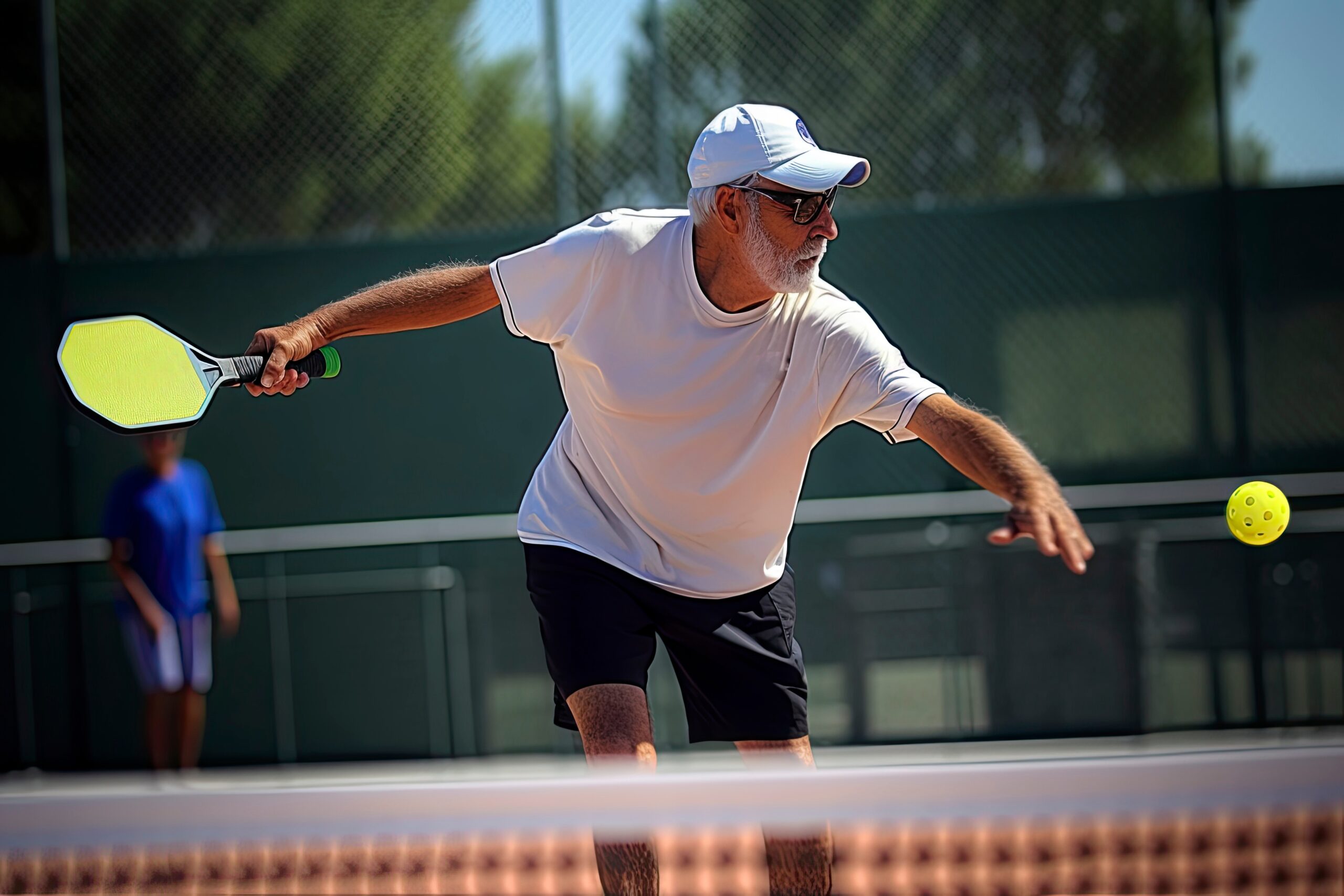
If you’re over 40 and serious about feeling great for decades, remember that sports improve longevity—regular, skill-based play can extend your healthspan. Racquet sports, small-sided soccer, basketball, and other stop-and-go games don’t just check the “cardio” box; they build a stronger heart, steadier balance, and a sharper brain in ways treadmills rarely do. Most importantly, play is social and fun, which makes it easier to stay consistent. This post shows how to choose the right sport, pair it with quick balance work, and ramp up safely—so you can keep doing what you love, longer.
Heart health: pick activities that punch above their weight
For time-crunched adults, choose play that earns its spot on your calendar. Large population data link racquet sports with the biggest reductions in all-cause and cardiovascular mortality, with aerobics close behind. Meanwhile, adults with high blood pressure see meaningful drops in systolic and diastolic numbers from small-sided soccer thanks to short bursts, changes of direction, and built-in rest. Practically, one weekly racquet match, a small-sided soccer game, or a half-court basketball run can deliver heart benefits comparable to steady-state cardio—often with more joy. Choose well, and sports improve longevity without demanding daily long runs.
Social benefits: connection is a performance tool
We stick with what feels good—and community is rocket fuel for consistency. Team and social sports supply built-in accountability (your teammates are waiting), belonging (regular crews and leagues), and positive stress (friendly competition). That mix improves adherence more than solo plans, lowers perceived effort, and adds a mood lift you’ll feel the rest of the day. Over months and years, this social glue is a big reason sports improve longevity—you simply keep showing up.
Multiple Benefits From Multi-Directional Sports
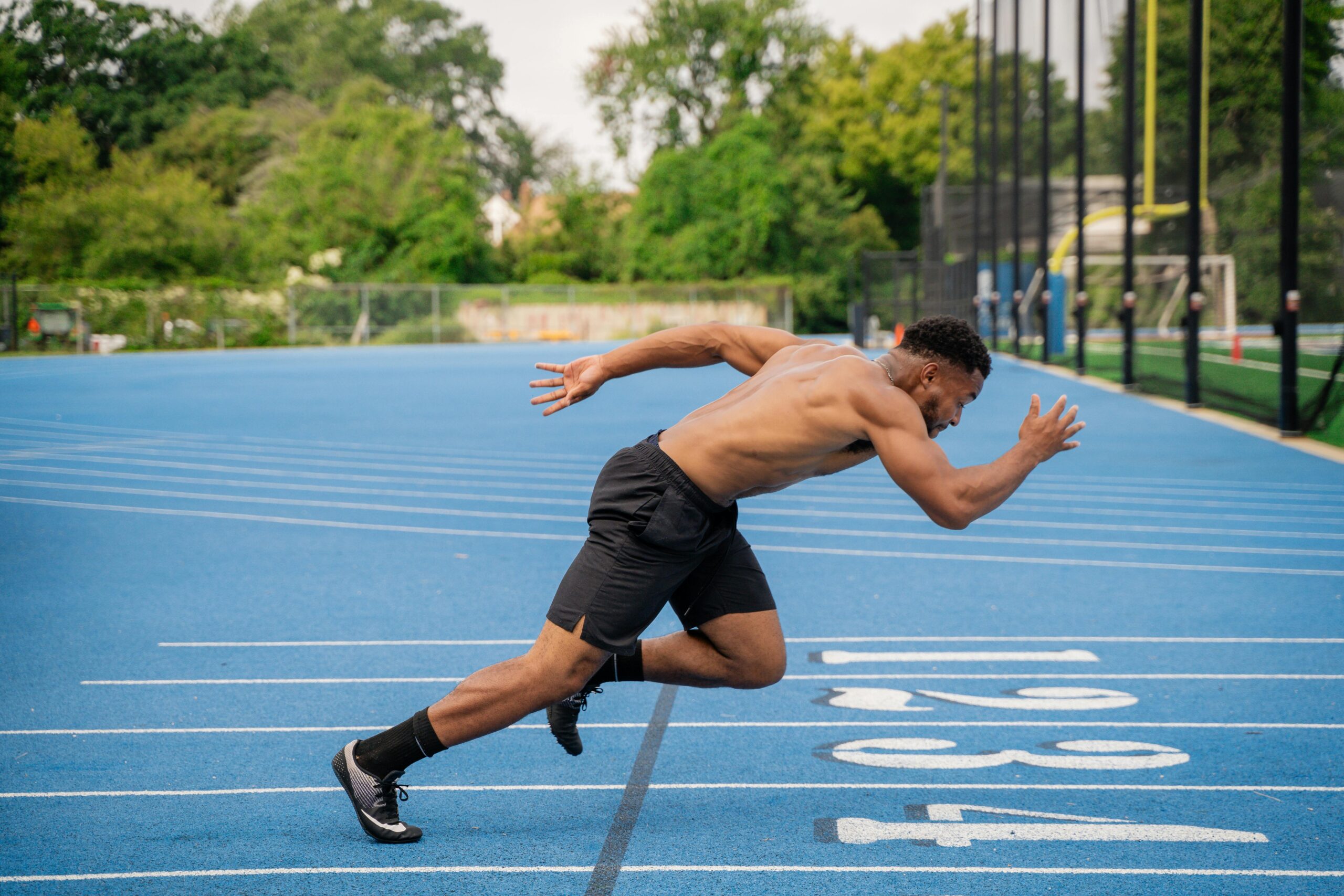
Recreational small-sided soccer packs a lot into a short session for adults over 40. The quick bursts and frequent changes of direction drive VO₂max gains, while the stop–start nature helps lower blood pressure and improve body composition. Multidirectional cuts, accelerations, and decelerations build lower-limb strength, ankle–hip stability, and reactive control you’ll feel on stairs, curbs, and trails. Add in the decision-making, scanning, and teamwork, and you get a potent cognitive–motor workout—another way sports improve longevity.
Brain health: build fitness, protect cognition
Healthspan isn’t just about joints and heart; it’s also about staying sharp. High cardiorespiratory fitness links to better baseline cognition, a markedly lower incidence of dementia, and even a delay in onset. That’s why skill-rich, stop-and-go play is such a smart choice after 40. Racquet sports, basketball, and small-sided soccer layer decision-making, anticipation, perception, and coordination onto aerobic work. In practice, you’re training your brain while you train your body—another way sports improve longevity beyond the usual “get your steps” advice.
Getting back in at 45: a simple, durable plan
- Start slow. If you haven’t played in a while, take frequent breaks or sub out early and often—most injuries show up when fatigue sets in.
- Play with people in your age range; trying to keep up with 20-year-olds is a classic recipe for tweaks.
- Aim for 1 league/match days plus 1 short drill day each week. Just doing some basic drills with a soccer ball or basketball can improve your cognitive function and reaction time.
- Warm up with light cardio and change-of-direction prep, then cool down with easy walks and mobility.
- This steady ramp keeps you consistent—one big reason sports improve longevity for real-world schedules.
Strength prep: protect calves, Achilles, hips
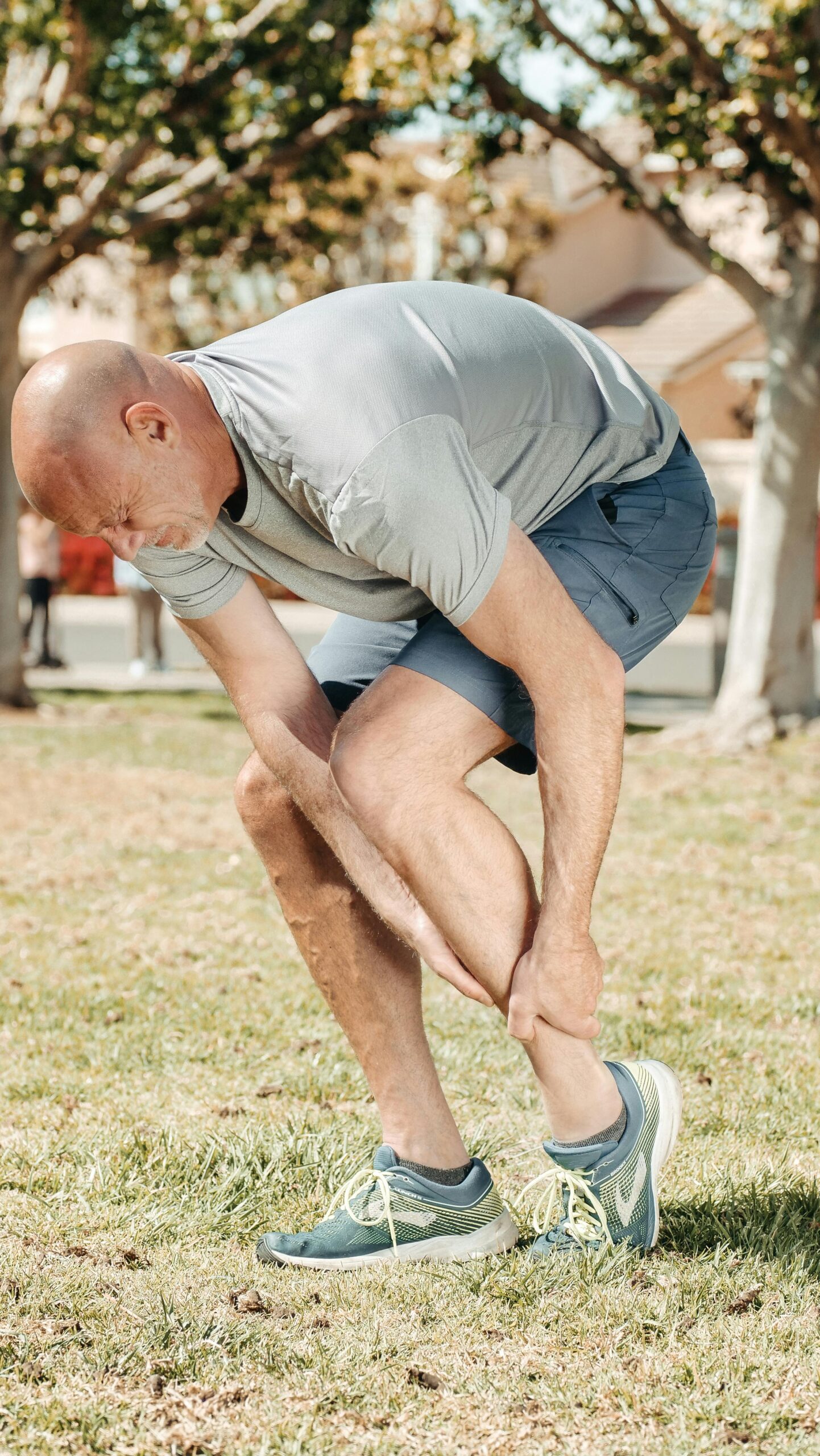
If you haven’t played in awhile, it’s a good idea to do some basic strengthen training of some key areas first. Calf and Achilles issues rise with age, so add these basics 2–3×/week for 6–8 weeks before (and during) your season.
Single-Leg Heel Raises (Calf & Achilles)
- How: Stand on one leg, knee straight but soft. Rise up slowly (2s), pause (1s), lower (3s).
- Dose: 3 × 8–12 reps/side; rest 60 to 90 seconds between sets.
- Cues: Tall posture, keep pressure toward the big toe.
- Progress: Hold a dumbbell or use a step for a deeper lower.
- Regress: Start two-leg; finish each set with 3–5 two-leg reps if single-leg strength fades.
Reverse Lunges (Strengthen your hips)
- How: Step back into a lunge, torso tall, then drive through the front foot to stand.
- Dose: 3 × 6–10 reps/side; rest 45–60s.
- Cues: Bend at the hips, knee on front foot tracks over the middle toes.
- Progress: Remove the slider and just step back. Next progression is adding weight.
- Regress: Shorten the distance you slide your back foot.
Make it fit your life (and keep it fun)
Consistency beats intensity. Pick one or two anchor options you enjoy, and rotate them through the year to avoid overuse and boredom. In Northern Virginia, convenient choices are everywhere: rec soccer, adult basketball leagues, pickleball ladders, etc. Schedule play where it will stick: a Thursday evening match, a Saturday morning pick-up game, or a Sunday evening league.
The bottom line
If you want a longer, stronger runway for the things you love, make space for play. Choose racquet sports, small-sided soccer, or half-court basketball, then pair them with short, focused balance training. You’ll build a more resilient heart, steadier feet, and a sharper mind—proof that sports improve longevity in ways you can feel now and protect for later.
Ready to add some sports back into your routine, but nervous about starting? Book a game-plan evaluation at Solutions Physical Therapy & Sports Medicine. We’ll map your sport, balance work, and strength around your life—so your weekly routine is proof that sports improve longevity.
Ready to add some sports back into your routine but nervous about starting? Or already playing but having nagging injuries? We can help you!
At Solutions Physical Therapy & Sports Medicine, our physical therapists are experts at helping you create a plan to stay active for life..
Call us at 703-299-3111, or click here to request an appointment.
A member of our team will schedule you an appointment with one of our expert physical therapists.
DIY or generic home exercise plans can work. But if you want an expert to listen to your unique problems and guide you to success, a Solutions Physical Therapy & Sports Medicine physical therapist in Arlington, Alexandria, or Springfield, VA will create a plan specifically for you.
You’ll feel confident that you have the knowledge and ability to play your favorite sport and stay injury free.
Call us at 703-299-3111, or click here to schedule your appointment and start your path to healing.
Working to keep you living your best life,
The Solutions Physical Therapy & Sports Medicine Team