

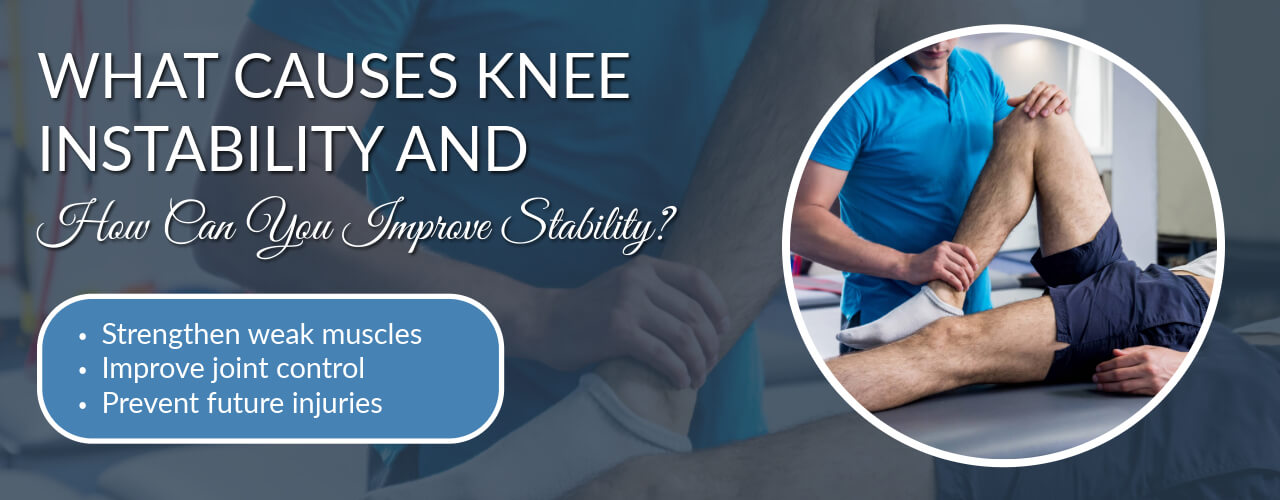
Knee pain can be frustrating, especially when it keeps you from doing the things you love. But when that pain is paired with knee instability–that is, a wobbly, weak, or unsteady feeling in your knee–the impact on your daily life can be even more serious.
Fortunately, there are steps you can take to manage instability in your knee, including working with the team at Full Strength. Keep reading to learn more!
The Impact of an Unstable Knee
Knee instability refers to a lack of control or support in the knee joint. This often feels like the knee might “give out” during movement, particularly when walking, climbing stairs, or turning quickly. It can affect one or both knees and range in severity from occasional discomfort to chronic dysfunction.
Left unaddressed, instability in the knee can limit mobility, increase fall risk, and lead to further injury, such as ligament tears or joint degeneration.
Signs to Watch Out For
- A sensation of the knee buckling or shifting
- Pain or swelling after activity
- Difficulty bearing weight on the affected leg
- Trouble with balance or coordination
What Causes Instability in the Knee?
Knee instability can be the result of several factors, injuries, or conditions, including the following:
Ligament Injuries
- The anterior cruciate ligament (ACL) and medial collateral ligament (MCL) are often involved in knee instability after trauma or sports-related injuries.
Meniscus Tears
- Damage to the knee’s cartilage can lead to instability and impaired joint mechanics.
Muscle Weakness
- Inadequate strength in the quadriceps, hamstrings, or gluteal muscles can contribute to poor knee support.
Proprioceptive Deficits
- Difficulty sensing the position of the joint in space can make movements less controlled and more unstable.
Arthritis
- Degeneration in the knee structure can reduce joint stability and coordination.
Five Tips to Improve Knee Instability
If you’re experiencing instability in your knee, the good news is that the team at Full Strength can help you address it! Here are five of our favorite strategies for managing an unstable knee:
1. Strengthen Key Muscle Groups
Stronger muscles around the knee, especially the quads, hamstrings, and glutes, provide better joint control. Our physical therapists will design a safe, progressive strengthening program tailored to your condition and goals. Some exercises we might ask you to perform include mini squats, step-ups, and bridges.
2. Improve Balance and Proprioception
Training your body to detect and control joint position can reduce the risk of falls or sudden missteps. We use tools like balance boards and single-leg exercises to challenge and enhance neuromuscular control.
3. Correct Movement Patterns
Poor biomechanics can contribute to knee instability and increase your injury risk. One of our PTs can analyze your gait and movement patterns, then coach you to move more efficiently. This might include retraining how you walk, run, or climb stairs.
4. Manage Pain and Swelling
As you can see, exercise is essential when managing an unstable knee. However, if you’re struggling with pain or restricted mobility, it can be intimidating. Fortunately, our physical therapists can use hands-on techniques and therapeutic tools to help calm inflammation and make it easier for you to move.
5. Develop a Long-Term Maintenance Plan
You’ll see better progress with ongoing care and personalized prevention strategies. Our team will make sure you have a program of exercises and habits to maintain knee health beyond your clinic visits. And don’t skip your regular follow-ups so that you can adjust your routine as your needs change.
Take Control of Your Knee Health Today
Knee instability doesn’t have to control your life. With the right guidance, many people see significant improvement in how their knee functions and feels. A customized physical therapy program not only strengthens your knee but also empowers you to move with confidence.
Schedule an appointment at Full Strength’s Alexandria, VA, Springfield, VA, and Arlington, VA clinic today to get started. Our team is here to help you take the first step toward stronger, more stable knees.




Leave a Reply