Ask any physical therapist, and you’ll get confirmation that lower back pain is the most frequent complaint they’re asked to treat. Often, back strain goes away on their own, especially with the classic “RICE” treatment. But when rest, ice, compression and elevation just can’t cut the pain, physical therapy is often your most reliable path back to a pain-free life.
Where Does LBP Come From — and What Can Prevent it?
Among the most common causes of lower back pain (LBP) is an improperly aligned spine, stemming from incorrect posture. Most office desk setups don’t provide lumbar support or ergonomic positioning, while poor work habits keep us from giving our spines much-needed relief by moving around during the day.
Non-desk jobs have their own perils. Standing all day, especially when combined with heavy lifting or frequent bending, is also bad for spinal health. The muscles surrounding the abs and lower back may not get the support they need as you pace, bend and lift, resulting in LBP.
In either case, supporting those back muscles is key to reducing the risk of chronic lower back pain. Insist on an ergonomic desk chair, or at least take the opportunity to stretch and move around more frequently. If you’re a cashier, wait staff or warehouse worker, invest in shoes with good arch support, which helps keep your entire body better aligned. If needed, wear a specialized brace to help support heavy lifting.
How Physical Therapy Can Help
Physical therapy is one of the most effective ways for easing lower back pain. Medical professionals generally urge their patients to try PT before turning to prescription medications or surgery. The reasons are obvious: Some medications can have long-term health consequences, despite the advantages of delivering temporary pain relief, while invasive procedures carry risk of complication and prolonged recovery time.
Lower back pain PT typically takes the two-pronged approach of using both active and passive physical therapy, unless the therapist has a reason to recommend one over the other.
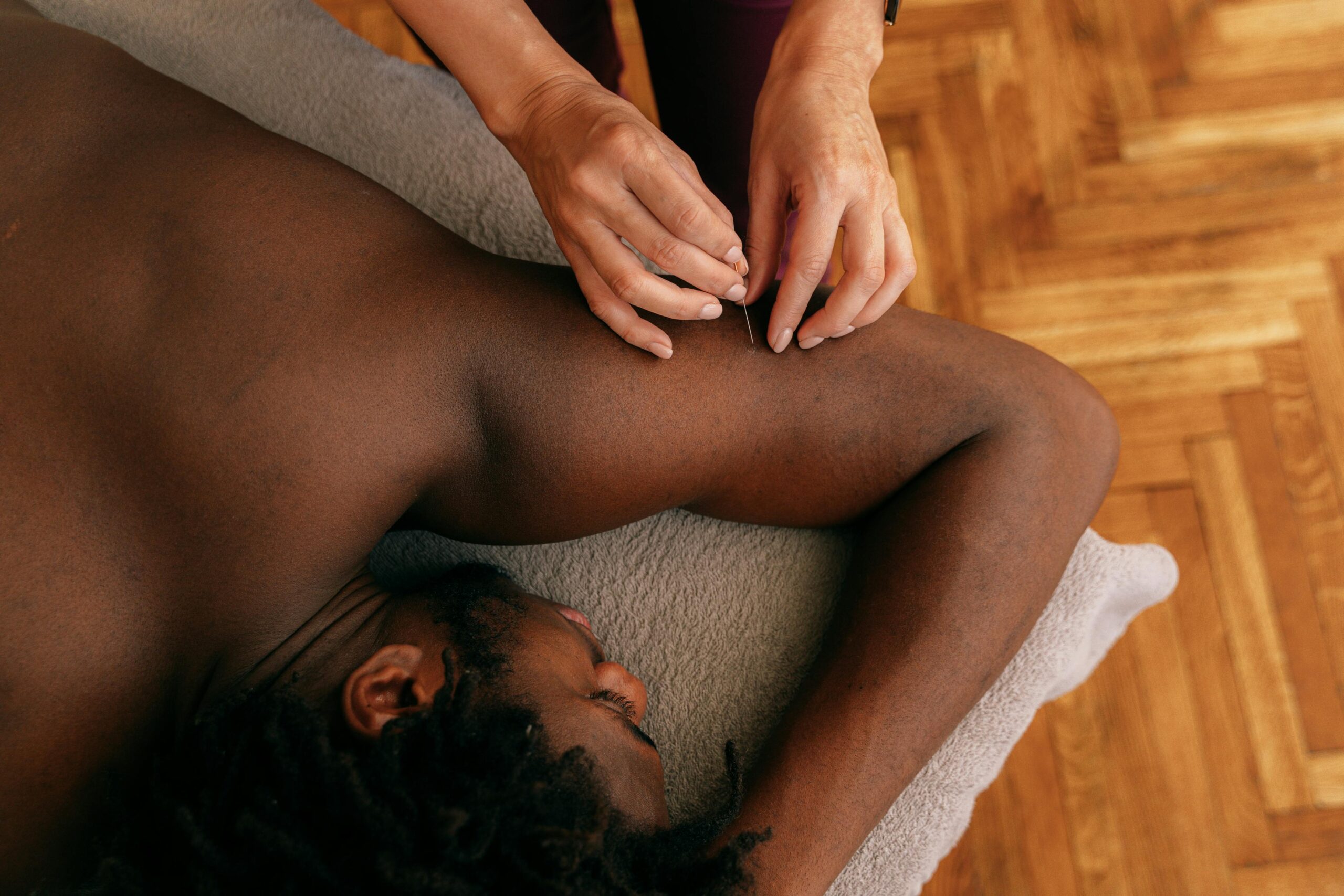
- Passive PT includes the application of specialized ice packs and heating pads. The therapist may also use various types of pulsing equipment, which stimulate nerves and release pain.
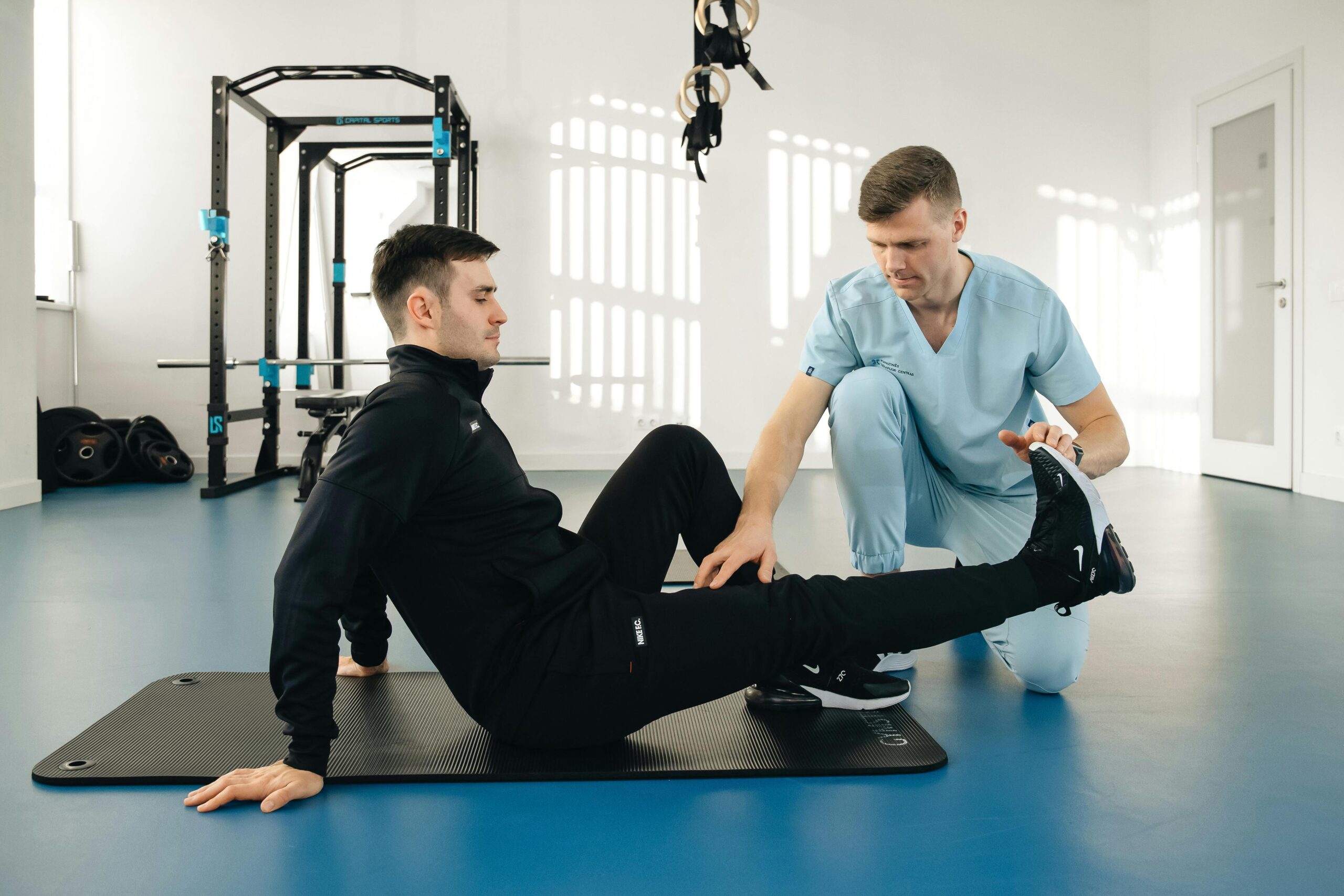
- Active PT involves the patient performing stretches and exercises that build the kind of flexibility and strength needed to both prevent future flare-ups and reduce current pain. Some of these are done under a physical therapist’s supervision, on specialized equipment, while others can be carried out at home after the patient learns the basics.
Call Solutions Physical Therapy today and speak with our experts!