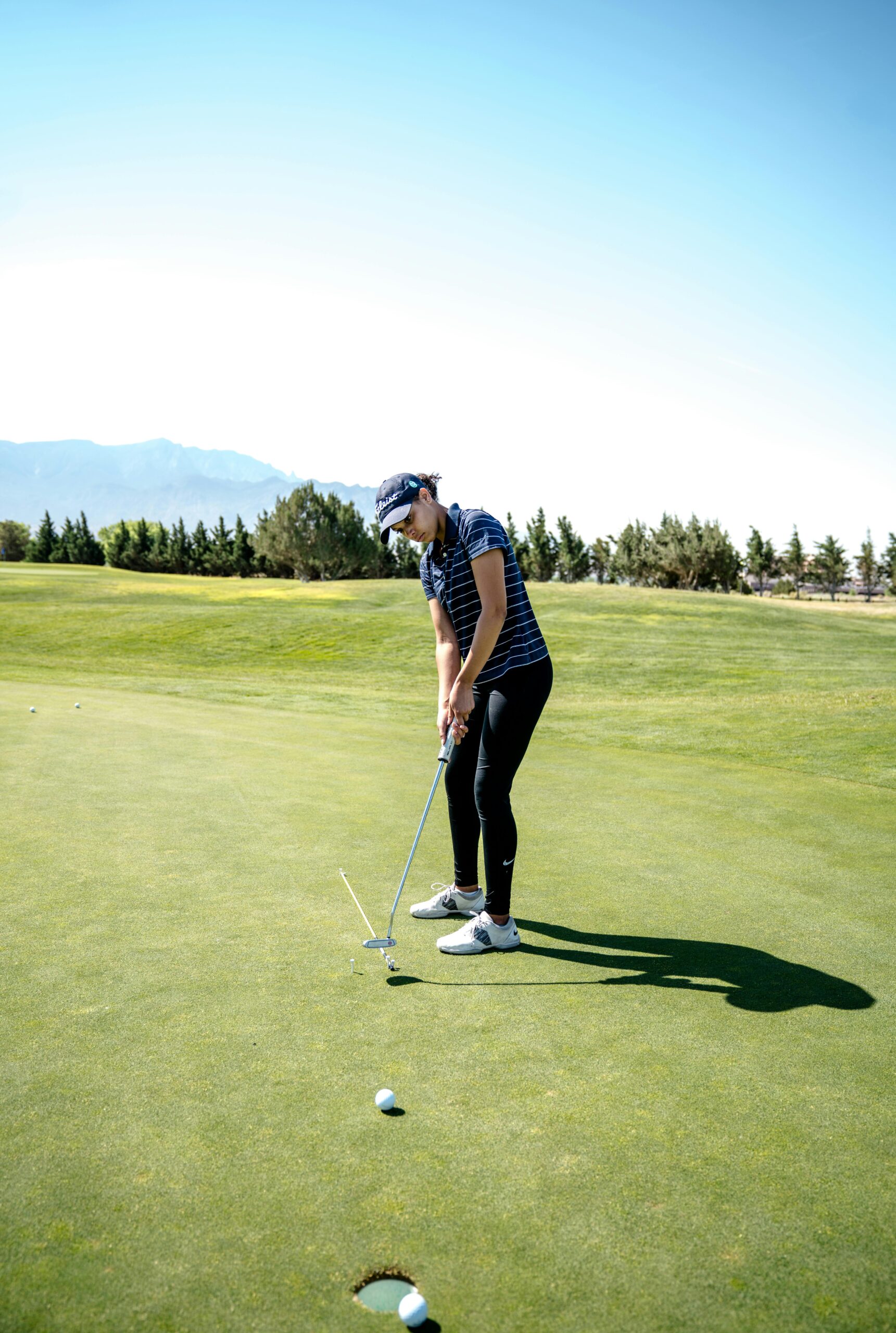
Exercise is an important part of life in order to become or stay healthy. For many people, sports are a fun way of burning extra calories, socializing and getting fit. Unfortunately, this also means the occasional sports injury, or a flare-up of an old injury or condition.
You don’t have to be a professional or even amateur athlete to suffer a sports injury. In fact, many times those most susceptible to sports injury are people who have just started exercising or do it on a recreational level; your typical weekend warrior. Sports injuries are typically seen as injuries to the musculoskeletal system, including muscles, bones, and tissues such as ligaments, tendons and cartilage.
The most common sports injuries include:
Sprains: A sprain occurs when the ligaments that join the ends of one bone with another are stretched or torn. Sprains are caused by trauma such as a fall or blow to the body that knocks a joint out of position. Ankles, knees and wrists are most vulnerable to sprains. However, back, neck and shoulder sprains are very common too.
Strains: A strain occurs when a muscle or tendon is pulled, torn or twisted. Strains can occur from overstretching during a forceful movement whilst playing. A common example of a strain is a muscle spasm. A back or neck strain is a very common injury treated in physical therapy.
Knee pain and injuries: According to the U.S. Department of Health and Human Services, the knee is the most commonly injured joint. Orthopedic surgeons see more than 5.5 million people annually for knee pain and injuries, which can include runner’s knee (pain or tenderness close to the knee cap at the front side of the knee), tendonitis and iliotibial band syndrome (pain on the outer side of the knee). Severe knee injuries often include bone bruises or damage to the cartilage or ligaments.
Shin splints: Shin splints occur when there is pain along the large bone in the front of the lower leg, known as the tibia or shin bone. Shin splints most commonly occur in runners, especially those who are just starting a running program. This is usually due to poor alignment of the body, or weakness in the leg muscles. The good news is that we can treat many orthopedic and repetitive motion injuries without the need for invasive surgeries or addictive medications.
Prevention
Proper training, strengthening and stretching are the most important elements to preventing sports injuries. It’s important to work with professionals, trained in your sport and are dedicated to making sure you are properly conditioned before doing the sport. Our physical therapists have years of working with different sports injuries and helping to train individuals on how to prevent injuries.
Our licensed physical therapists can customize an exercise and sports injury prevention program that recognizes the weaknesses of your particular musculoskeletal system, allowing you to recover quickly and stay active. Even, if you have an old injury, it is important to have it evaluated by our physical therapists to prevent long-term damage such as arthritis to your joints. If you have a new or old sports injury like tendonitis, arthritis, a stress fracture, or low back pain, our therapists can design a treatment program to promote wellness and minimize the chance of re-injury. Call Solutions Physical Therapy today to learn more!