


Most golfers aren’t ready for golf season. You’re excited to get back on the course, play more rounds, and enjoy the sport you love…but many golfers show up unprepared, hoping that their body will hold up. You haven’t built the mobility, strength, or movement control their swing demands. You skip the offseason work, hoping their body will “remember” how to move efficiently. Then, by hole 10, your body starts feeling back pain, stiffness, less distance, and inconsistency.
The difference between golfers who thrive through golf season and those who suffer comes down to five key markers physical therapists use to know your body is ready to golf all season long. Understanding these markers will help you assess your own readiness so that you can hit farther and improve your score, without your body breaking down.
Before golf season starts, PTs evaluate whether your body has the mobility, stability, and power needed to handle the demands of playing golf repeatedly. They identify movement patterns that could lead to compensation, injury, or inconsistency. They determine whether you’re truly prepared or whether you need targeted preparation work.
This is what separates healthy, confident golfers from those dealing with pain and limitations.
What Your Body Needs Before Golf Season Arrives
Before golf season starts, your body needs more than just “no pain.” Physical therapists look for specific movement capabilities that directly support a repeatable, powerful, injury-resistant golf swing.
The golf swing is one of the most complex movements in sports. It requires your body to rotate through multiple joints—hips, thoracic spine, cervical spine, and shoulders—while maintaining a stable lower-body base. It demands rapid force production through the ground and efficient transfer of that force up the kinetic chain. It requires your nervous system to control movement precisely enough that you can repeat the same swing thousands of times with consistency.
This is why general fitness isn’t enough to make it through golf season. Showing up strong is different than showing up with golf-specific mobility, stability, and power. You need movement patterns that are efficient, repeatable, and resistant to compensation.
Here’s what physical therapists assess:
- Can your hips, thoracic spine, and shoulders rotate through a full range of motion without your lower back compensating?
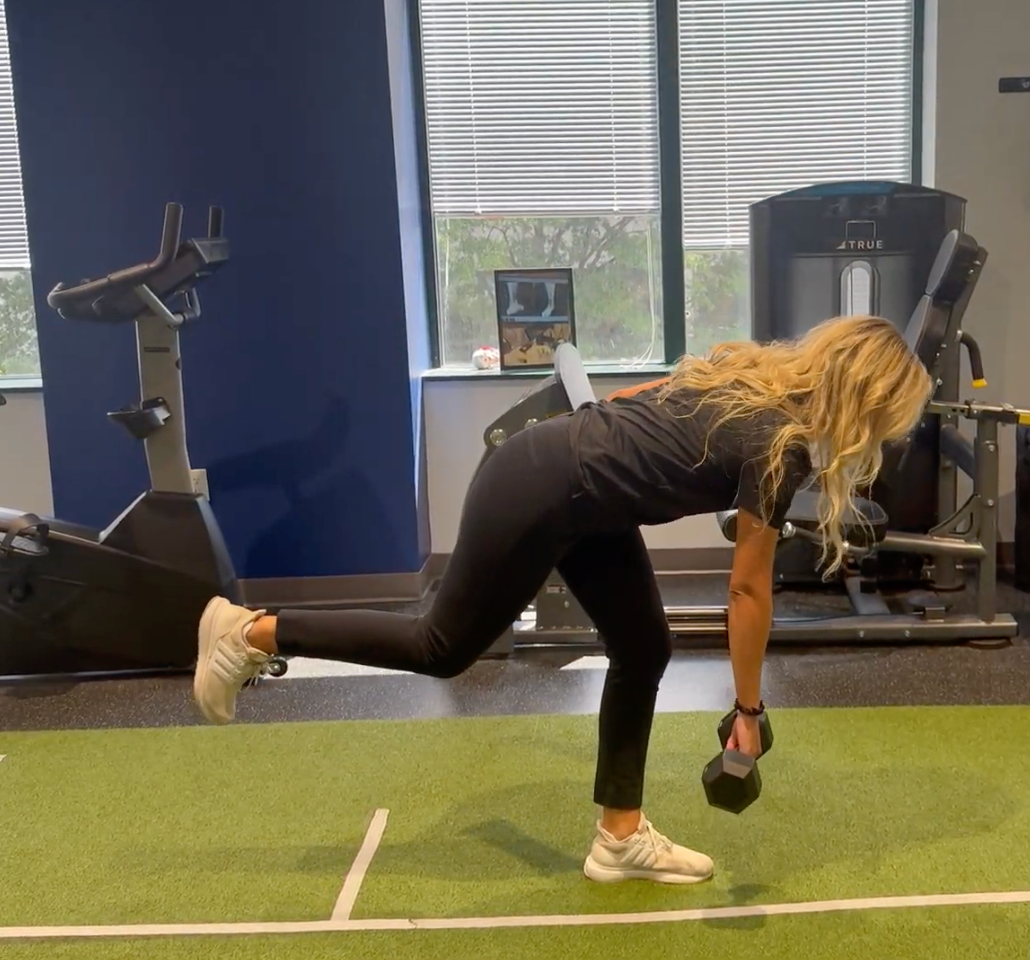
- Can your glutes stabilize your pelvis while your thoracic spine rotates independently?
- Can you balance on one leg without excessive movement?
- Can you generate power through the ground and transfer it efficiently up your body?
Each one directly impacts your ability to play golf repeatedly without pain, limitation, or loss of consistency. They also reduce your risk of the compensations that lead to injury during golf season.
As you prepare for golf season, see how improved body mechanics directly enhance golf performance so you understand what movement improvements actually matter for your swing.
The bottom line: your body needs readiness, not just recovery.
Five Signs Your Body Is Actually Ready for Golf Season
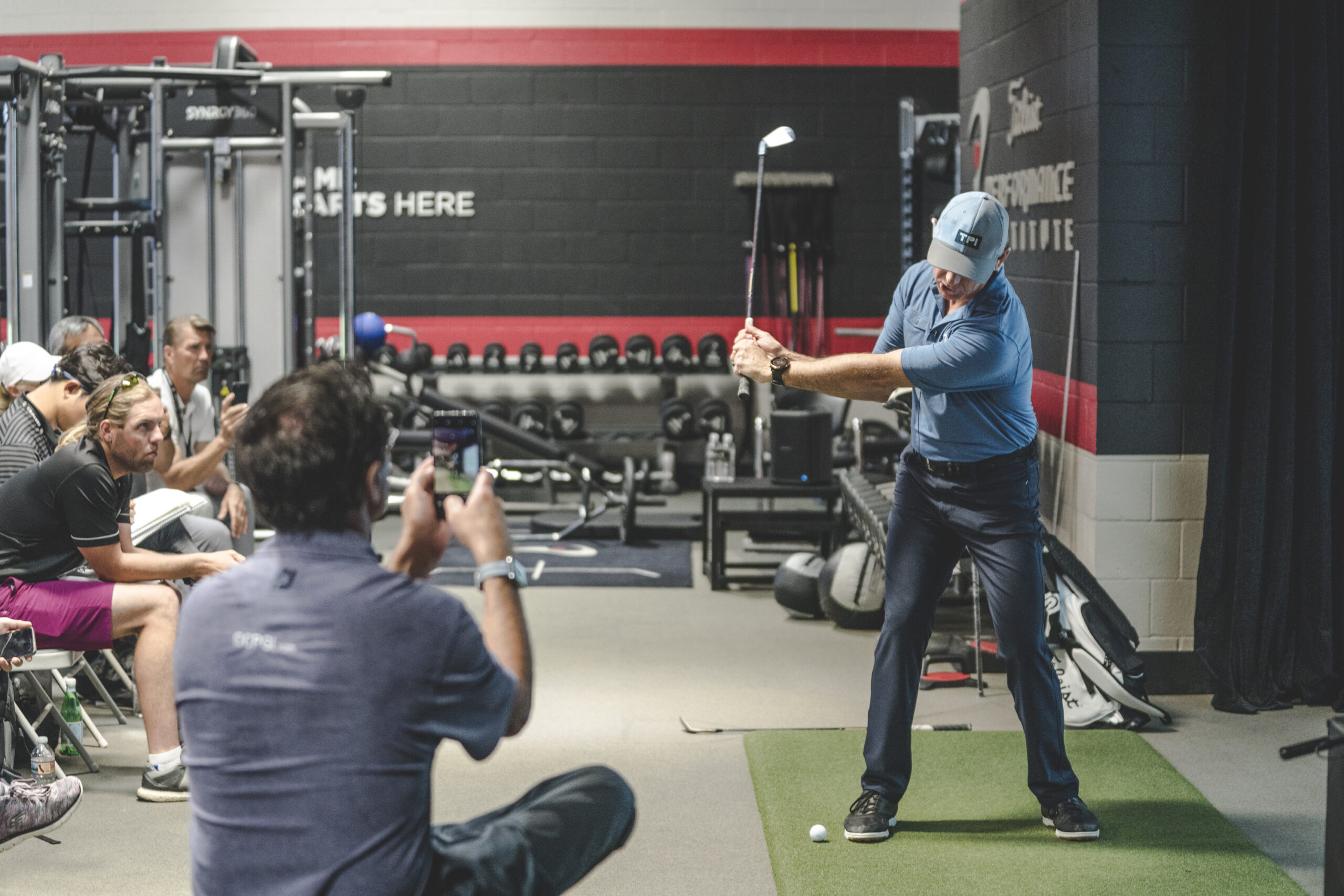
Our TPI Level 1 certified golf specialist, Alec Howells, uses five key readiness markers to determine whether your body can handle golf season without compensation, limitation, or injury.
Sign 1: Full Rotational Mobility Without Compensation From Your Lower Back
Your golf swing demands rotation through your hips, thoracic spine, cervical spine, and shoulders. But here’s what matters: you need to rotate through these areas independently, without stealing motion from your lower back.
Many golfers lack hip or thoracic mobility. When they do, they compensate by excessively arching their lower back, changing posture, or creating movement from regions that should stay stable. This compensation might feel fine in the gym, but on the golf course over 18 holes, it places excessive stress on your lower back, sacroiliac joint, and lumbar spine.
Physical therapists assess:
- Can you rotate through your hips fully without your lower back arching?
- Can you rotate through your thoracic spine while your pelvis stays still?
- If you lack mobility in one area, are you compensating somewhere else?
If back pain has been a limiting factor in your golf swing, these three targeted exercises can help you return to golfing pain-free while building the rotational and pelvic stability you need before golf season.
Sign 2: Glute Strength and Pelvic Stability
Your glutes are the powerhouse of your golf swing. They anchor your lower body, stabilize your hips, and allow your upper body to rotate independently.
Weak glutes create a domino effect: your hips become unstable, your lower back compensates, your upper body can’t rotate effectively, and your swing loses power and consistency. Many golfers who think they have a swing technique problem actually have a glute strength problem.
Physical therapists test whether your glutes can hold your hips stable while your upper body rotates. If your glutes are weak, golf season becomes a test of endurance. By hole 15, your lower back is fatigued and pain shows up.
Sign 3: Your Hips And Upper Body Can Rotate Separately (Pelvic Dissociation and Rotational Independence)
In a great golf swing, your hips start the rotation, but your shoulders continue rotating after your hips have settled. This creates what golfers call “separation” or “lag”…and it’s what generates clubhead speed and distance.
Without this separation, your entire body rotates as one unit. This limits your power, forces compensation patterns, and reduces swing consistency. Physical therapists assess whether you can isolate hip rotation from upper-body rotation, or whether they’re locked together.
If you’re experiencing these limitations, discover the two basic movement challenges that cause major golf swing problems and how to identify them.
Sign 4: Solid Balance Throughout Your Golf Swing (Single-Leg and Tandem Balance)
Balance is foundational to a repeatable golf swing. Excessive movement during the swing throws off your contact point, forcing compensations just to hit the ball solidly.
Physical therapists assess single-leg balance and tandem balance to determine whether you can maintain control throughout your swing. If you’re unstable on one leg or lose balance during weight transfer, you’ll unconsciously make overcorrections during your swing to maintain contact. This destroys consistency and efficiency.
Sign 5: You Can Generate Real Power From the Ground Up (Upper- and Lower-Body Power Capacity)
The best golfers generate power from the ground—through their legs and hips—and transfer that power through their body into the club.
Physical therapists test whether you can generate real power and compare it to what’s normal for your age and sex. This tells you whether you have room to improve or whether your power is where it should be. Many golfers lose distance during golf season not because their technique changed, but because their power capacity declined during the offseason.

Activating Your Golf Muscles the Right Way
Understanding what physical therapists look for is step one. Preparing your body before golf season starts is step two.
Activating your golf muscles isn’t about random stretching or generic cardio. It’s about targeted, movement-specific preparation that addresses the five readiness markers above.
Mobility work should be specific to golf. Rather than general hamstring stretches, focus on movements that improve rotational range of motion through your hips and thoracic spine while maintaining a stable lower back. This teaches your body to rotate where it should and stabilize where it should.
Strength training should emphasize glute activation and pelvic stability. Single-leg exercises, hip thrusts, and anti-rotation movements activate your glutes in the positions they’ll be during your golf swing. This builds the foundational stability your swing needs.
Dynamic balance training. Don’t just stand on one leg. Progress to movements that challenge balance while creating rotational demand, similar to what your swing requires. This trains your nervous system to maintain control during actual golf movement.
Power development should be progressive and golf-specific. If you’ve been sedentary during the offseason, jumping into plyometrics is a setup for injury. Instead, progress from basic strength to power development gradually. Medicine ball rotations, explosive lower-body movements, and upper-body power work prepare your body to generate the force your swing demands.
The key principle is that activation work should build capacity in the exact movements your golf swing requires. This makes your golf swing more powerful and less prone to injury.
The Pre-Golf Season Checklist Physical Therapists Use To Keep You Healthy and Strong
Before golf season starts, use this checklist to assess your readiness. If you’re unsure about any marker, or if you’re experiencing limitations, schedule an assessment with a physical therapist who understands golf-specific movement.
Mobility Assessment:
- Can you rotate through your hips fully without arching your lower back?
- Can you rotate through your thoracic spine while keeping your pelvis still?
- Do you have full rotation through your cervical spine and shoulders?
- Are you compensating for any mobility restrictions (excessive back arch, postural changes)?
Strength Assessment:
- Can you hold a single-leg balance for 30+ seconds without excessive movement?
- Can your glutes stabilize your pelvis while you rotate your upper body?
- Can you perform a tandem stance (feet in line) without losing balance?
Rotational Control Assessment:
- Can you rotate your hips while keeping your thoracic spine still (pelvic dissociation)?
- Can you rotate your thoracic spine while keeping your hips still?
- Can you transition weight from back foot to front foot smoothly without losing balance?
Power Assessment:
- Have you tested your lower-body power and compared it to your age/sex norms?
- Have you assessed your upper-body power (medicine ball throw distance)?
- Are you capable of generating force rapidly, or does your power feel sluggish?
Movement Quality Assessment:
- Are you able to perform your golf swing without pain?
- Can you play 9 holes without pain or fatigue affecting your swing?
- Can you repeat your swing with consistency, or does it feel different each time?
If you answer “no” or “unsure” to any of these, your body may not be fully ready for golf season. This doesn’t mean you can’t play, but it would be wise to prepare beforehand to avoid compensations, injury, or performance losses mid-season.

Golf Season Success Starts Long Before You Step Onto The Course
The five readiness markers physical therapists at Full Strength Physical Therapy assess directly determine whether your body can handle the demands of golf season without injury, pain, or performance loss.
Many golfers skip this assessment and hope their body “remembers” how to move efficiently. Others show up strong but unbalanced in the specific ways golf demands. These golfers often struggle mid-season: pain shows up, consistency drops, and frustration builds.
But golfers who address any limitations during their offseason prep play stronger and with more confidence. They move efficiently, stay healthy, and ultimately perform at a higher level.
Our TPI Level 1 Certified golf specialist, Alec Howells, uses these exact assessment markers to determine whether golfers are ready for golf season and what specific work they need before playing. We identify compensations early, build capacity where it’s needed, and prepare your body to handle the demands of the season ahead.
You don’t have to guess whether you’re ready…or hope your body holds up mid-season. Instead, you can know with certainty that you’re prepared to enjoy the sport.
Schedule a golf performance evaluation with Alec, TPI Level 1 Certified golf specialist, to find out exactly what your body needs to prepare for the season ahead and stay healthy through every round.


One response to “5 Ways Physical Therapists Know Your Body Is Ready For Golf Season”
[…] back out on the course for golf season, it helps to know what your body actually needs. See our ready for golf season checklist for five signs your body is truly prepared to enjoy the sport again without injury or […]