

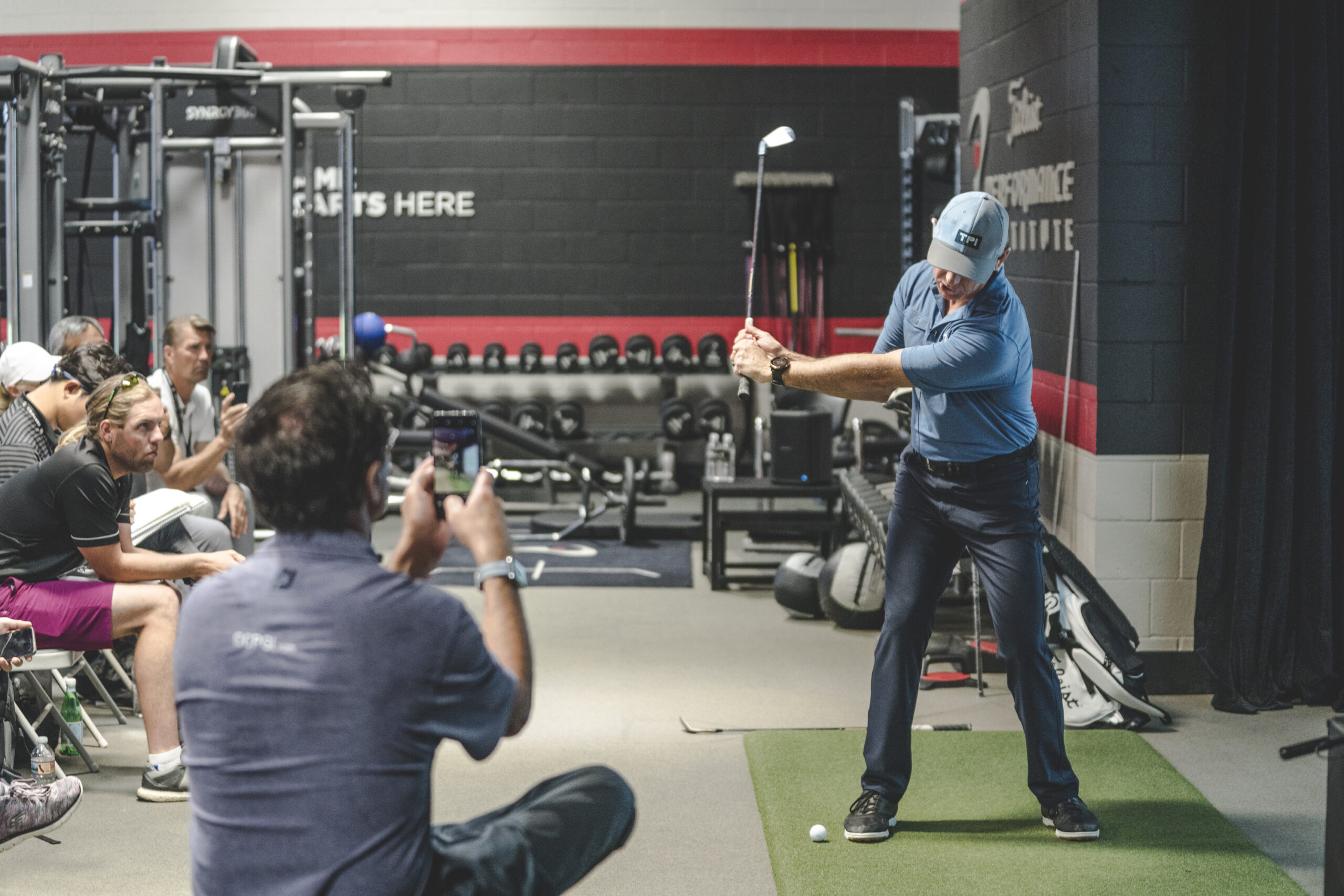
Pain from a golf injury can fade away, and you feel ready to play again. But you head back to the course, only to feel the same ache creep back a few rounds later. That’s because pain relief is not the same as recovery. At Full Strength Physical Therapy, we see this pattern often. It comes down to three pieces working together: strength, mobility, and mechanics. Skip one, and the other two end up covering for it until something gives out again.
This article breaks down why pain-free isn’t the finish line. It covers how strength, mobility, and mechanics depend on each other. It also shows what a realistic path back to your most powerful golf swing looks like before golf season starts. Our TPI Certified physical therapist built this guide around the questions golfers ask us most before returning to play.
Is Being Pain-Free Enough to Return to Golf?
No. Being pain-free only means your symptoms have quieted down. It does not mean the deficit behind your golf injury has actually been fixed.
Golf is a sport built on repetition, and repetition exposes weakness. When one area of your body can’t do its job, then another area has to pick up the slack. We call this regional interdependency. It’s a major reason a TPI screen matters so much. Instead of only looking at where it hurts, a proper assessment looks for where the real problem started.
For example, let’s say your hip lacks rotation. Your low back may start absorbing motion it was never built to handle. That overload eventually shows up as pain somewhere else. Chasing the pain site alone treats the symptom, not the source. It’s also why so many golfers feel fine for a few weeks after returning, before they end up right back where they started.
Before you head back out on the course for golf season, it helps to know what your body actually needs. See our ready for golf season checklist for five signs your body is truly prepared to enjoy the sport again without injury or pain.
What Are the 3 Keys to a Safe Recovery After Golf Injury?
Strength, mobility, and mechanics all depend on each other for a safe return to golf after injury. A gap in one often forces the other two to overcompensate until something breaks down.
Look at professional golfers. Many have excellent mobility through the hips, thoracic spine, and shoulders, along with efficient mechanics. What they sometimes lack is strength. That combination lets them accelerate the club through a huge range of motion. But their tissues can’t always tolerate the resulting stress. Over time, that mismatch shows up as overuse injuries, including golfer’s elbow, or medial epicondylitis. Sports medicine research on golf injury prevention points to this same pattern. Tissue capacity has to keep pace with how much motion and force the swing demands.
Amateur golfers often show the opposite pattern. Bigger, stronger athletes chasing distance tend to generate a lot of force through a short range of motion. Without enough hip, lumbar, and thoracic mobility, the body essentially hits a wall. That’s a common setup for hip impingement or low back pain. More range of motion simply buys your body more time to decelerate safely.
Mechanics tie both pieces together. A healthy golf swing sequences power from the hips, to the trunk, to the arms, and the club. When that order breaks down, problems follow. You often see early extension, where the hips push forward. Or you see a loss of posture as the body compensates.
How a Physical Therapist Strengthens Your Return To Golf After Injury
A thorough assessment breaks the body into mobile joints and stable joints. Then it checks whether each one is doing its actual job.
Starting from the ground up, the ankle is a mobility joint. The knee is a stability joint. The hip is mobility, the lumbar spine is stability, and the thoracic spine is mobility again. This alternating pattern gives a clear map for where to look. Someone with thoracic pain often has a strong trunk but limited mobility above it. Someone with low back pain usually has plenty of mobility but not enough core strength to control it.
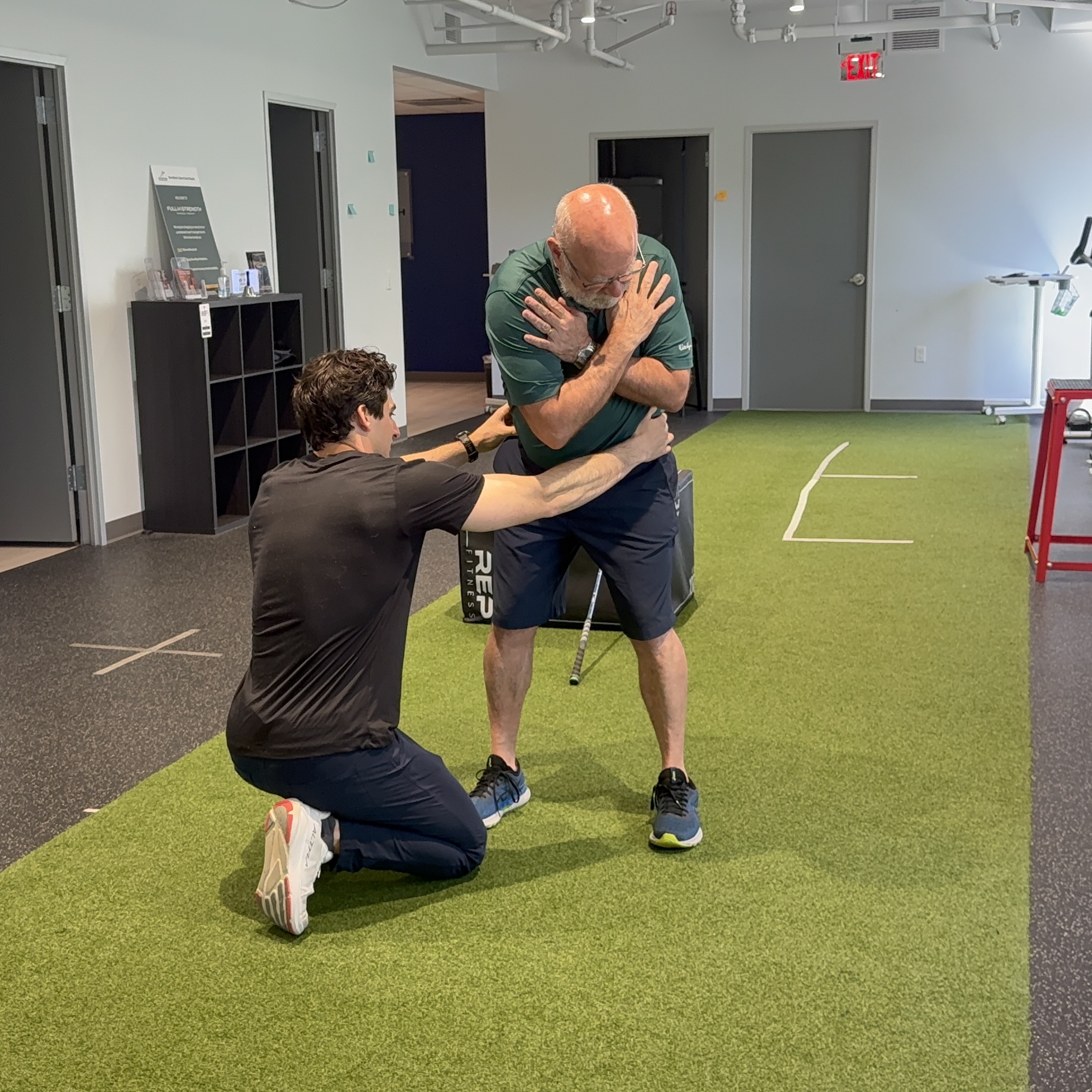
This is exactly the kind of limitation a TPI screen can help identify. Rather than guessing, the screen evaluates individual areas of movement so your plan can target your specific limitations instead of relying on a generic list of golf exercises. Rather than guessing, it tests each segment individually. That way, your plan targets your actual limitation, not a generic list of golf exercises. Our article on smarter body mechanics for better golf performance breaks down how to maintain power and consistency in your golf swing for all 18 holes.
How Long Does It Take to Rebuild Strength and Mobility After a Golf Injury?
Mobility often improves within about a month of structured exercise. Strength takes closer to twelve weeks to build, and mechanics take a lifetime to refine.
If limitations are muscular rather than structural, mobility work can produce noticeable change in around four weeks. Building true strength takes longer. Visible muscle growth, or hypertrophy, generally takes closer to twelve weeks of progressive training. Mechanics sit in a different category entirely. They’re a lifelong practice, not a box to check once.
The first visit for anyone asking “can I go back to golf yet” starts with irritability. If there’s active swelling or inflammation, that acute phase needs to calm down first. Once it does, a structured strength program addresses the specific deficits found in your screening. As a general guide, pain should stay under 4 out of 10 during play. It should also stay under 4 out of 10 in the 24 hours after. If it does, most golfers are cleared to play. Even then, the number of holes per week still needs careful management while healing continues.
One exercise we come back to often is the cable chop, performed in your golf stance. It builds strength through the core and hips. It also reinforces the mobility and posture your swing depends on. The video below shows how to do the cable chop exercise.
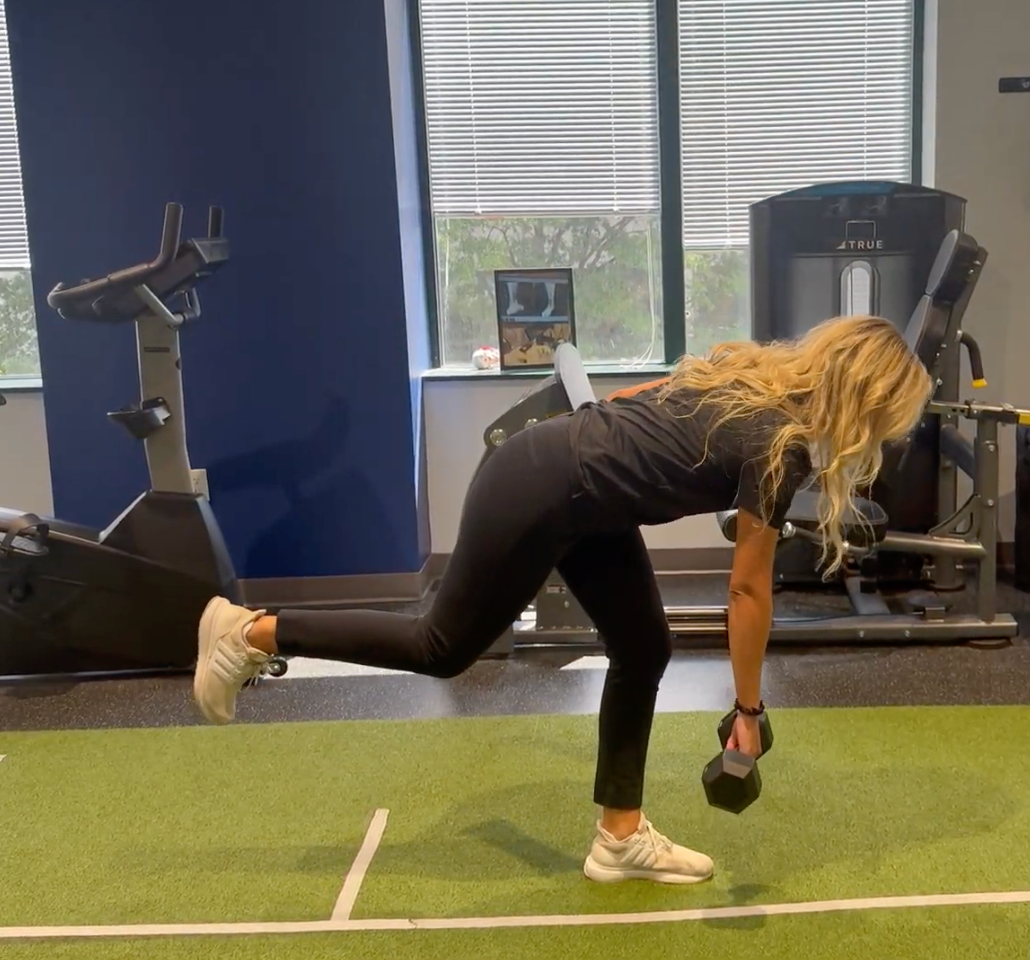
Additionally, we also love these 3 exercises to rebuild golf swing power after injury. Each exercise targets a specific component of the kinetic sequence that injury disrupts, allowing you to safely rebuild clubhead speed and swing distance.
Getting Back to the Course With Confidence
A faster comeback from golf injury isn’t about waiting for pain to disappear over time. We need to rebuild strength, mobility, and mechanics together. That way, the deficit that caused your golf injury doesn’t just resurface down the road. If you can only prioritize one piece before golf season starts, start with mobility. Good mobility gives your body the freedom to work on your golf swing without restriction.
Every golfer’s timeline looks a little different. That’s exactly why a proper screening matters more than another generic exercise list. Our TPI Certified physical therapist is ready to map out your specific plan. That plan runs from your first visit through your first swing back on the course. Click Here to Book Your Assessment now.
Frequently Asked Questions
Can I still play golf if I have some pain?
Yes, as long as pain stays under 4 out of 10 during play. It should also stay under 4 out of 10 in the 24 hours after. You’ll still want to manage how many holes you play each week.
What does a first physical therapy visit look like for a golf injury?
It starts by calming any active swelling or irritation. From there, it moves into a structured strength program. That program targets the specific deficits found in your screening.
If I only have time to work on one thing before golf season starts, what should it be?
Strength, mobility, and mechanics all work together for a safe return to golf after injury, but mobility lets you work on your golf swing without restriction.
What’s the top exercise to support a safe return to golf?
Cable chops performed in your golf stance build core and hip strength. They also reinforce the mobility and posture your swing needs.
What warning signs mean I’m returning too soon?
Watch for pain climbing above 4 out of 10 during play. Also watch for pain that stays elevated 24 hours later. Either sign means it’s time to pull back and reassess.




Leave a Reply