

Every HYROX training plan is demanding by design and therefore needs a recovery strategy embedded in. You’re asking your body to run, lift, and push through fatigue in the same session, week after week, for months. Without recovery built in, that volume catches up with you fast. A smart HYROX training plan blends low and slow running, tempo runs, strength work on HYROX-specific movements, and HIIT sessions that combine both. But none of that volume holds up without recovery.
Recovery is an essential part of your HYROX training plan that lets your joints, muscles, and nervous system absorb the work you’re putting in, so you can show up for the next session instead of nursing an overuse injury. That’s where the two recovery moves below come in. One covers the basics your body needs every day (that become even more important with HYROX training). The other covers the recovery work that keeps you moving and crossing the finish line without pain.
1. Rest, Hydration and Sleep Power Your HYROX Training Plan
The first move is the foundation. Rest days, hydration, nutrition, and sleep are what make the rest of your HYROX training plan possible.
Rest days give your muscles time to repair between hard running and strength sessions. Skipping them raises your injury risk.
Hydration and nutrition matter just as much. Running 8x1km plus strength stations burns through fluid and glycogen stores fast. Under-fueling leaves you flat during training and slows how quickly you bounce back.
Sleep ties it together. It’s when your body does most of its repair work. Skimping on it undercuts the training volume you worked hard to build.
2. Mobility and Stretching Keep You Pain-Free during HYROX Training
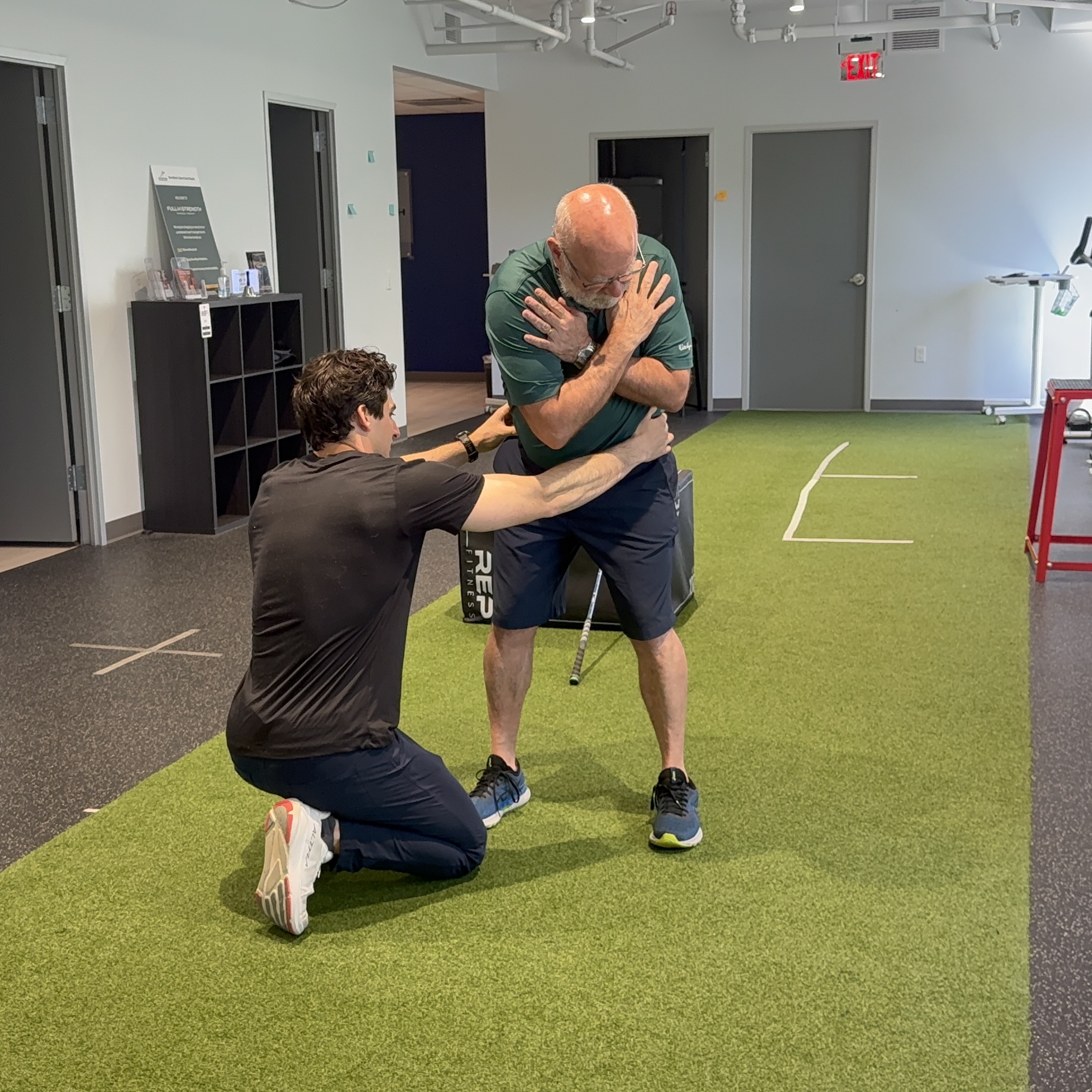
This is where a physical therapist can make the biggest difference. Mobility work and stretching before and after training sessions improve both performance and recovery. Loose, mobile joints move more efficiently under fatigue, and they’re less likely to break down under repeated stress.
If you want to go deeper on why timing matters, we cover it in this article: Benefit From Stretching Both Before and After Your Workout.
Dry needling is another tool worth adding to your HYROX training plan. HYROX works your calves, quads, shoulders, and low back especially hard across the running legs and strength stations. Dry needling targets the muscular trigger points that build up in those areas, helping you train through high volume without those nagging tight spots turning into real setbacks. We break down how it works in Dry Needling for Better Performance and Faster Recovery.
How to Recover After HYROX Training and Avoid Lingering Soreness
Recovery doesn’t stop when your HYROX training plan ends and race day begins. What you do right after a hard session or the event itself matters just as much.
Start by rehydrating and refueling. Your body needs fluids, electrolytes, and carbohydrates to start repairing muscle and restocking energy stores.
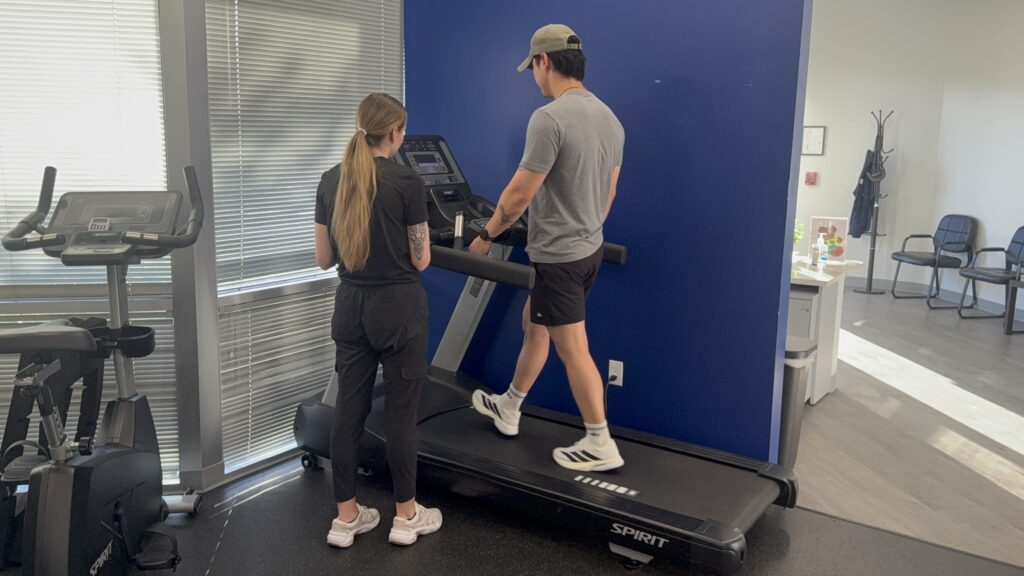
From there, active recovery works better than sitting still. A gentle walk or light mobility work helps clear lactate from your muscles faster than passive rest, which is one reason it’s linked to less soreness after intense exercise (National Library of Medicine). That short walk after a long run day, or after HYROX DC itself, can be the difference between feeling ready to train again and feeling wiped out for a week.
Common Questions About Recovery in a HYROX Training Plan:
What are effective recovery methods during HYROX prep?
Rest days, hydration, sleep, mobility work, stretching, and dry needling are the core methods that keep you training consistently without breaking down.
What are some recovery tips for HYROX training and injuries?
Prioritize stretching before and after sessions, don’t skip rest days, and address tight spots in your calves, quads, shoulders, and low back before they turn into injuries.
How can you recover quickly after HYROX?
Rehydrate and refuel right away, then use active recovery like a gentle walk or light mobility work over the following days instead of staying fully sedentary.
How many days should you rest after a HYROX race?
Most people benefit from several days of lighter activity, walking, mobility work, easy movement, before returning to intense training. Your body will tell you when it’s ready for more.
Does DOMS ever go away?
Yes. Delayed Onset Muscle Soreness typically peaks 24 to 72 hours after intense exercise and fades within a week. Active recovery and mobility work can help it resolve faster.
Build Recovery Into Your HYROX Training Plan
A HYROX training plan that only focuses on running and strength work is missing half the picture. Rest, hydration, sleep, mobility, and stretching are what let you sustain the volume HYROX demands, and what get you to the start line (and across the finish line) at HYROX DC ready to perform.
If you’re building out your training and want help keeping your joints and muscles healthy along the way, we can help. Click Here to Book Your Assessment now. A physical therapist will schedule you for your one on one assessment to make sure that you can have your best race, without being sidelined by injury.






Leave a Reply