Shoulder pain in swimmers is one of the most common reasons athletes of all levels step away from the pool. Whether you are a competitive swimmer pushing through morning practice or a Masters swimmer who just wants to keep logging laps, shoulder discomfort can make every stroke feel like a battle.
The good news is that most swimmer’s shoulder pain is manageable and preventable with the right approach. This post covers simple and effective ways to reduce shoulder discomfort when swimming, plus improve mobility and support recovery, starting with the 3 exercises physical therapists recommend most.
Why Shoulder Pain in Swimmers Is So Common
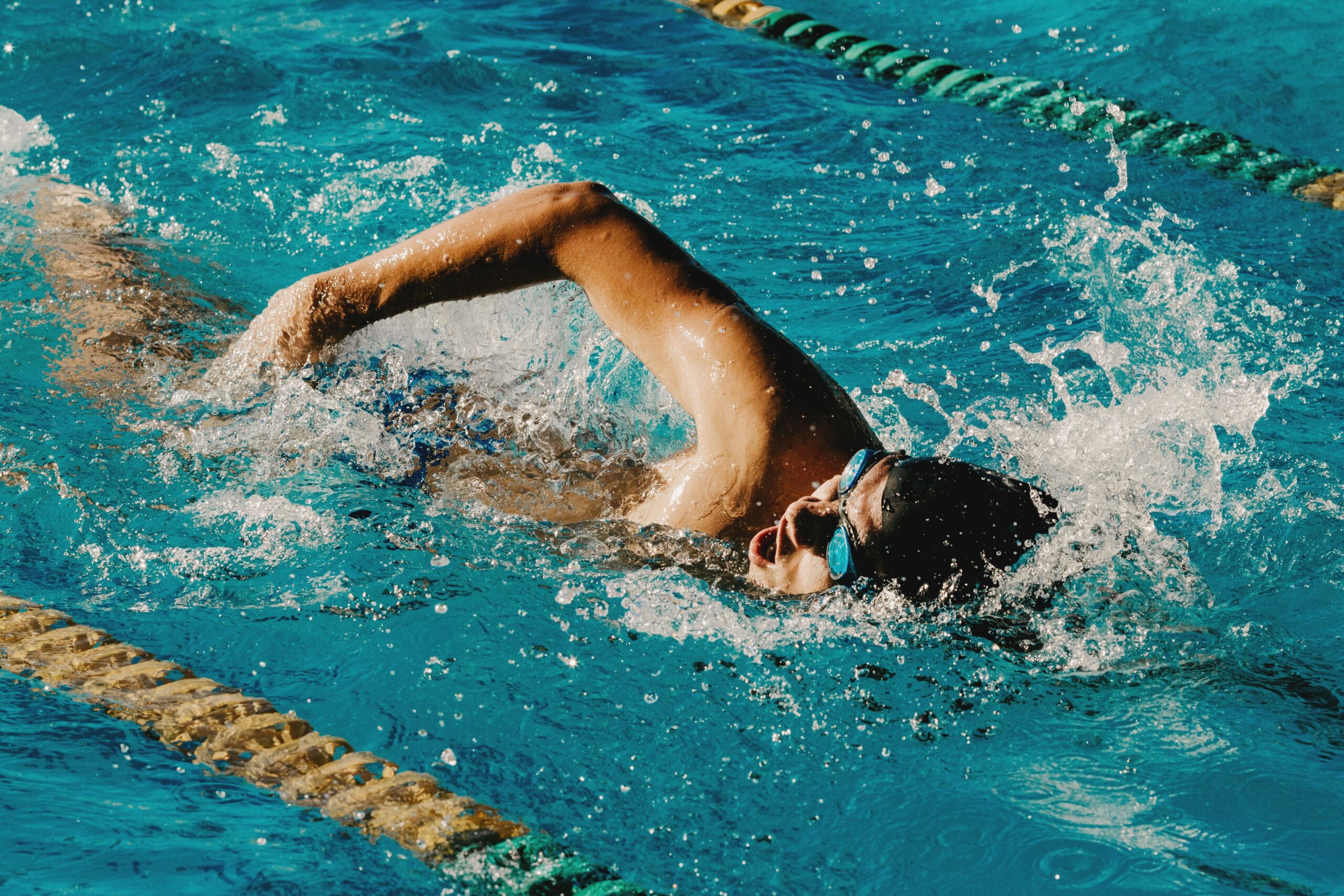
Swimming is a high-repetition sport. A competitive swimmer can complete hundreds of thousands of arm strokes over the course of a season. Freestyle and butterfly place significant demand on the rotator cuff and the muscles surrounding the shoulder blade, known as the scapular stabilizers.
Over time, that repetitive load adds up. When the muscles responsible for controlling the shoulder blade fatigue or become imbalanced, the shoulder joint has to work harder with every stroke. That extra stress is often what triggers pain.
The most common conditions we see in swimmers include:
- Rotator cuff tendinopathy, where the tendons become irritated from repeated loading
- Shoulder impingement, where soft tissue gets compressed during arm movement
- Muscle fatigue and imbalance from high training volume without adequate recovery
It is worth noting that injury rates in competitive swimming have actually declined significantly over the past two decades. Research published by Kerr and colleagues found injury rates as low as 1.48 per 1,000 athlete exposures in NCAA swimmers, compared to rates as high as 6 per 1,000 in older studies.
Much of this improvement is linked to smarter training volume and better dryland programming.
Still, shoulder pain in swimmers remains the number one complaint we treat. And in most cases, the source of that pain is not what swimmers expect.
The Real Root Cause of Shoulder Pain in Swimmers Most People Miss
Here is what surprises most swimmers when they come in for an evaluation: shoulder pain in swimmers is almost never just a shoulder problem.
The real culprit is usually poor scapular control combined with weakness in the rotator cuff. When the shoulder blade cannot move efficiently, the entire mechanics of the stroke break down. The shoulder joint is forced to compensate, and that is where pain develops.
Think of your shoulder blade as the foundation of your arm stroke. If that foundation is unstable, every pull through the water puts stress on structures that were not designed to absorb it.
Two other factors consistently contribute to swimmer’s shoulder pain:
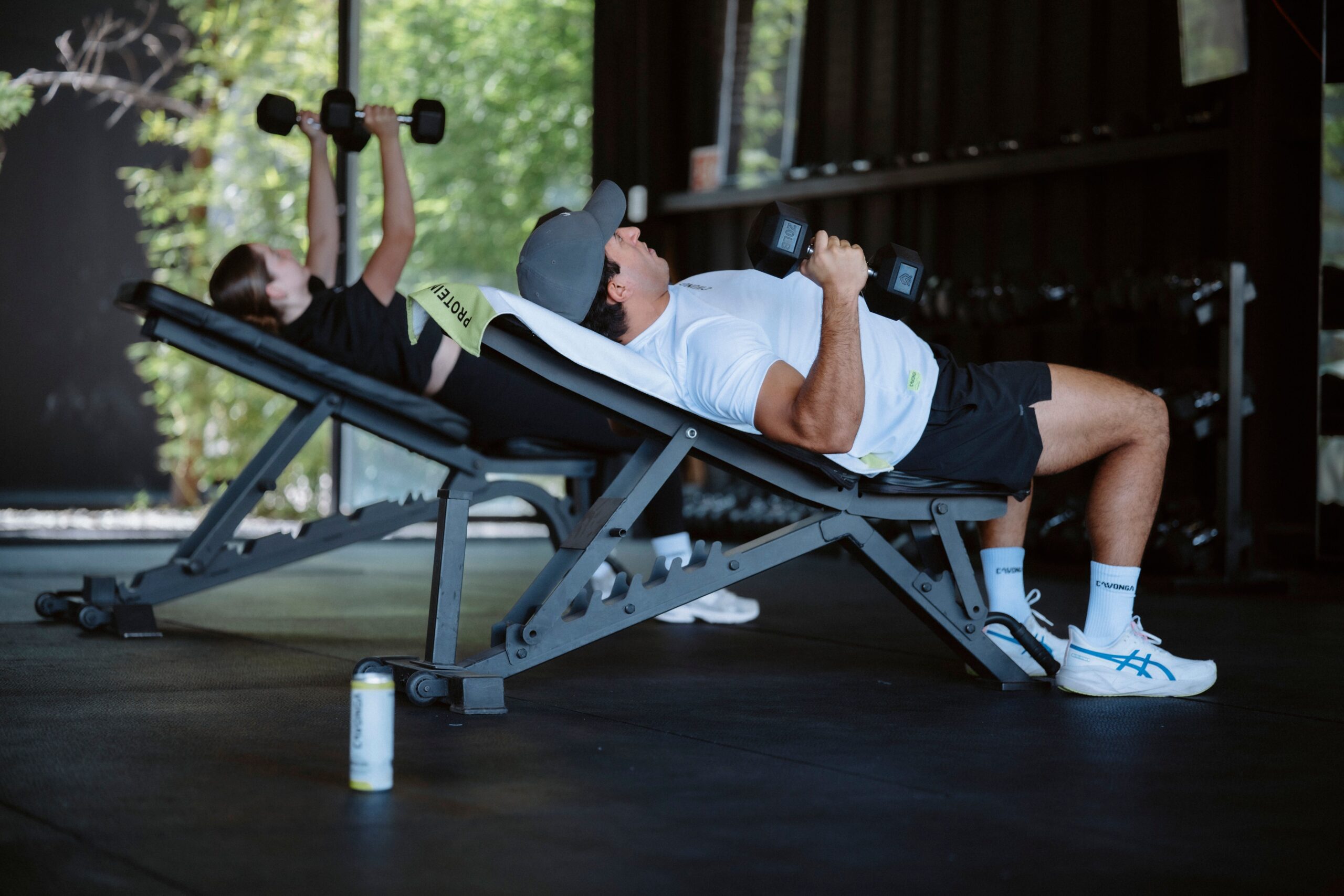
Dryland training gaps. What you do out of the water matters just as much as your stroke mechanics. Swimmers who neglect targeted strengthening away from the pool are more vulnerable to fatigue-related breakdown mid-practice.
Rapid increases in volume with poor stroke form. This is the largest risk factor we see. Ramping up yardage too quickly, especially when technique is already breaking down, creates the perfect conditions for overuse injury.
For younger and adolescent swimmers, there is an additional consideration. Specializing in swimming year-round at an early age, rather than playing a variety of sports, can limit the development of movement patterns that protect the shoulder long-term. Cross-sport participation builds the kind of foundational strength and coordination that keeps swimmers healthy through their career.
The stroke itself also plays a role. A fatigued stroke looks different from a fresh one. When swimmers tire, they tend to over-rotate, drop the elbow during the pull, and breathe more, all of which increase stress on the shoulder. Fixing the stroke mechanics and building the strength to maintain them late in a workout is where lasting relief comes from.

3 Exercises to Relieve Shoulder Pain in Swimmers
These three exercises address the most common physical contributors to swimmer’s shoulder pain. They target the rotator cuff, scapular stabilizers, and posterior shoulder mobility, the three areas physical therapists prioritize most when working with swimmers.
Add them to your dryland routine 2 to 3 days per week. If any exercise increases your pain, stop and consult a physical therapist before continuing.
1. Side-Lying External Rotation (Rotator Cuff Strengthening)
This exercise targets the external rotators of the shoulder, muscles that are frequently weaker than the internal rotators in swimmers due to the pulling demands of the stroke.
How to do it:
- Lie on your side with your top arm bent to 90 degrees, elbow at your side
- Hold a light dumbbell (1 to 3 pounds to start) in your top hand
- Keeping your elbow pinned to your side, rotate your forearm upward toward the ceiling
- Lower slowly and with control
Start with 3 sets of 10 repetitions every other day. Progress to 3 sets of 15 before adding weight. The movement should be slow and controlled, not compensated by rolling the body.
2. Prone Y Raise (Scapular Stability)
This exercise trains two of the most important scapular stabilizers for swimmers (the lower trapezius and serratus anterior). Studies indicate that these muscles are a critical force and highly prone to fatigue during longer swimming sessions for adolescents, which contribute to swimmers’ shoulder, according to the NIH National Library of Medicine.
How to do it:
- Lie face down on a bench or the floor with your arms extended overhead in a Y shape, thumbs pointing up
- Squeeze your shoulder blades down and together as you lift your arms a few inches off the surface
- Hold for 2 seconds at the top, then lower slowly
Start with 3 sets of 10 repetitions using no weight. Focus on feeling the muscles between and below your shoulder blades engage. Add light weight only when the movement feels controlled and pain free.
3. Cross-Body Shoulder Stretch (Posterior Shoulder Mobility)
Tightness in the posterior shoulder capsule is common in swimmers and can contribute to impingement patterns during the catch phase of the stroke. This stretch addresses that restriction directly.
How to do it:
- Stand or sit tall and bring one arm across your chest
- Pinch your shoulder blade back
- Use your opposite hand or forearm to gently pull the arm closer to your body
- Hold for 30 seconds, breathing deeply throughout
- Repeat 2 to 3 times on each side
Perform this stretch after practice or training, not immediately before. Static stretching before swimming is not recommended and is not required for any of the four competitive strokes.
When Shoulder Pain in Swimmers Needs Professional Help
Some shoulder discomfort after a hard practice is normal. But certain signs suggest something more significant may be going on and that it is time to get an expert involved.
Watch for these warning signs:
- Pain that starts at the beginning of practice, not just when you are fatigued
- Sharp pain or catching sensations during specific phases of the stroke
- Weakness when lifting your arm overhead or reaching across your body
- Pain that disrupts sleep or persists throughout the day
- Shoulder pain that has lasted more than two to three weeks without improvement
Two signs that may indicate a more significant rotator cuff issue include pain and weakness with resisted arm movements, particularly when rotating the arm outward, and difficulty maintaining shoulder position during functional tasks like pressing or reaching. These are not diagnostic on their own, but they are reasons to seek a professional evaluation rather than continuing to push through.
Swimmer’s shoulder does not always resolve on its own. When the underlying causes, such as scapular weakness, stroke mechanics, or training load, are not addressed, symptoms often return or gradually worsen over time. Early intervention from a physical therapist typically leads to faster recovery and a clearer path back to the pool.
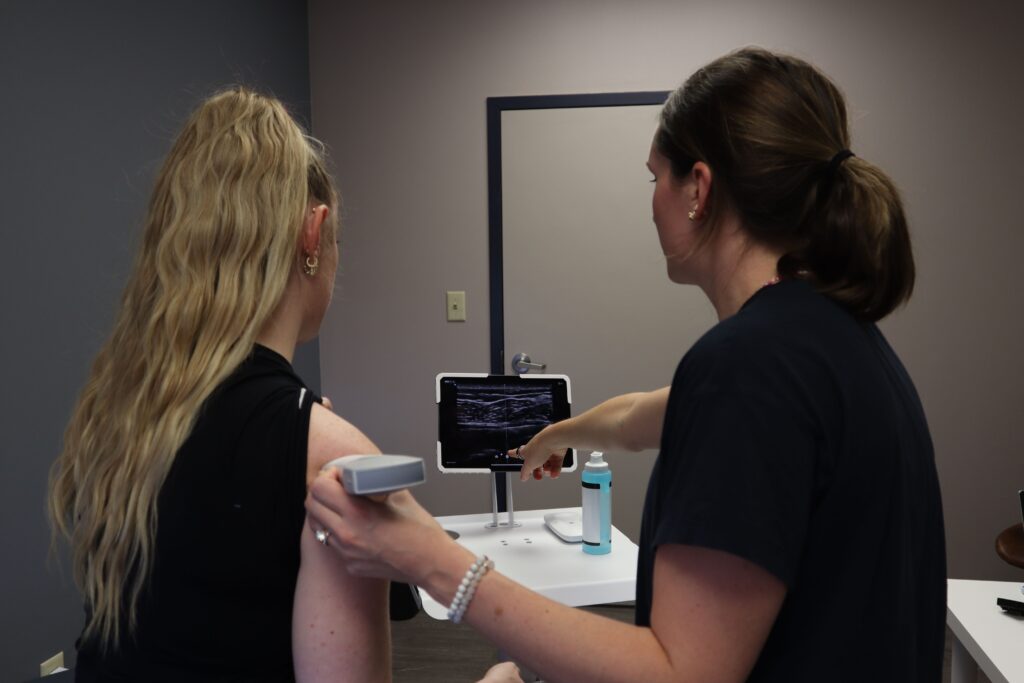
At Full Strength Physical Therapy, our physical therapists work with swimmers at every level to identify what is driving the pain, correct it, and build the strength and mechanics to prevent it from coming back. You can also explore recovery strategies in How Physical Therapy Accelerates Sports Recovery and Performance.
Frequently Asked Questions About Shoulder Pain in Swimmers
How do you treat swimmer’s shoulder pain?
Treatment depends on the underlying cause. Physical therapists typically address rotator cuff strength, scapular stability, stroke mechanics, and training load. Hands-on techniques, targeted exercise, and collaboration with coaches are all part of an effective approach.
Does swimmer’s shoulder go away on its own?
Minor fatigue-related soreness often improves with rest and reduced volume. However, if the root causes like weakness or faulty mechanics are not addressed, symptoms tend to return. Persistent pain lasting more than two to three weeks benefits from a professional evaluation.
What are two warning signs of a rotator cuff tear?
Significant weakness with resisted shoulder movements and pain that persists at rest or disrupts sleep are two signs worth taking seriously. A physical therapist can assess whether a referral for imaging is appropriate.
Why does my shoulder hurt when I am swimming?
Shoulder pain during swimming most often comes from a combination of rotator cuff weakness, poor scapular control, and stroke mechanics that break down under fatigue. Volume increases without adequate strength preparation are also a major contributing factor.
Shoulder pain in swimmers does not have to be the reason you step away from the sport you love. With the right exercises and expert guidance, most swimmers can return to pain-free training and stay there.
If your shoulder has been holding you back, we are here to help. Click here to book your assessment now. A physical therapist will schedule you for a one-on-one evaluation and build a plan specific to your stroke, your training, and your goals.