


Your turkey trot is a chance to start Thanksgiving feeling strong, energized, and proud of what your body can do. Maybe you are lining up with your kids, or you are jogging beside a friend who signed up on a dare. Either way, a little preparation can prevent injury and make the event more fun and more comfortable.
This guide is for active adults, parents, and families who run or walk a turkey trot, whether it is your first or your fifteenth. It answers the question most of our patients ask this time of year: how do I get my body ready in the weeks before the race and avoid injury?
There are five simple habits that prepare you well. Our physical therapist and clinic director Dr. Ray, PT, DPT at Full Strength Physical Therapy picked one go-to exercise for each habit to help you warm up, run well, build strength, stabilize your core, and recover faster. Dr. Ray also shares how to tell normal post-race soreness from something worth a visit with a physical therapist.
How should I train for a turkey trot?
Build your running gradually, keep race day familiar, and practice the exercises below well before Thanksgiving morning.
If you are a recreational runner that has not trained consistently leading up to the event…that is completely normal, and makes these tips even more important.
Here is how Dr. Ray suggests approaching the weeks ahead:
- Increase your running volume little by little. Your body adapts best to gradual change.
- Stick with what you know on race day. Wear shoes you have already trained in to avoid blisters.
- Try a run/walk approach. It is a smart option if you have not trained consistently to still get across the finish line.
- Start the exercises now. Make them part of your weekly routine. The more you do them, the better!
Think of your turkey trot as a small project with a deadline. Each short session builds confidence. By race morning, every movement in your warm-up already feels familiar.
What is the best warm-up and running drill before a turkey trot?
The World’s Greatest Stretch and A-marches get your hips, spine, and running form ready in just a few minutes.
Tip 1. Warm up with the World’s Greatest Stretch
This dynamic stretch earns its name. It moves your hips, mid-back (thoracic spine), and lower back through the ranges of motion running asks for.
- Step forward into a deep lunge.
- Place both hands on the ground inside your front foot.
- Rotate your upper body toward the front leg and reach one arm toward the ceiling.
- Return to the start and repeat on the other side.
Move slowly and deliberately rather than holding each position for a long time. Then add a few minutes of brisk walking or light jogging to finish your warm-up.
Tip 2. Practice A-marches for better running technique
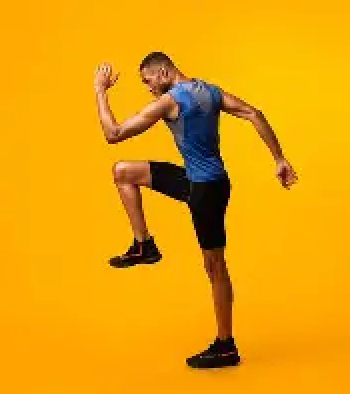
A-marches reinforce the pieces of good running form: tall posture, a coordinated arm swing, and smooth foot placement. Picture a tall, rhythmic march that mirrors your running stride at a slower speed. Do 2 sets of about 15 to 20 yards. Focus on control and coordination instead of speed.
If you want to see what a trained eye notices in your stride, read 5 Signs Your Running Form Is Setting You Up for Injury.
Which strength and core exercises prepare me for a turkey trot?
A hip bridge or side-lying hip abduction builds glute strength, and dead bugs build the trunk control that keeps you steady as you tire.
Tip 3. Strengthen your glutes with a hip bridge or side-lying hip abduction
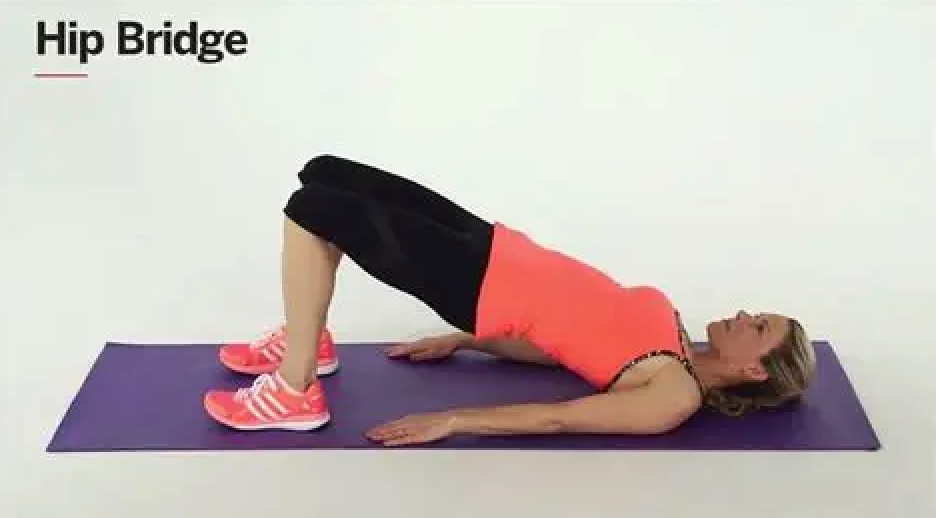
Your glutes are one of the most important muscle groups for running. They stabilize your lower back and pelvis. They also connect and drive the rest of your lower body.
Ray recommends either exercise:
- Hip bridge: Lie on your back with knees bent and lift your hips.
- Side-lying hip abduction: Lie on your side and lift your top leg.
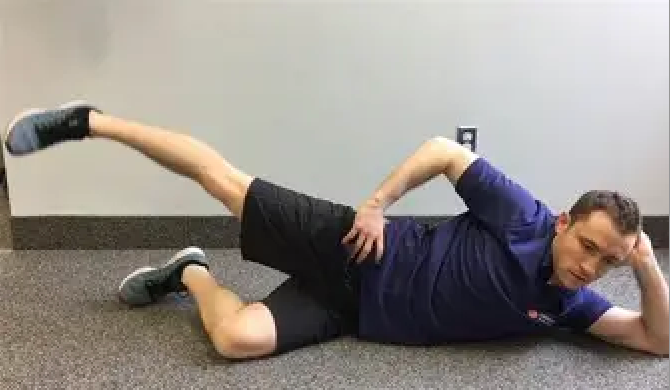
Try 2 to 3 sets of 10 to 15 repetitions per leg, 2 to 3 times per week. Progress as your body feels ready. For more runner-focused strength moves, see 3 Strength Exercises to Create a Solid Foundation for Running.
Tip 4. Build trunk control with dead bugs
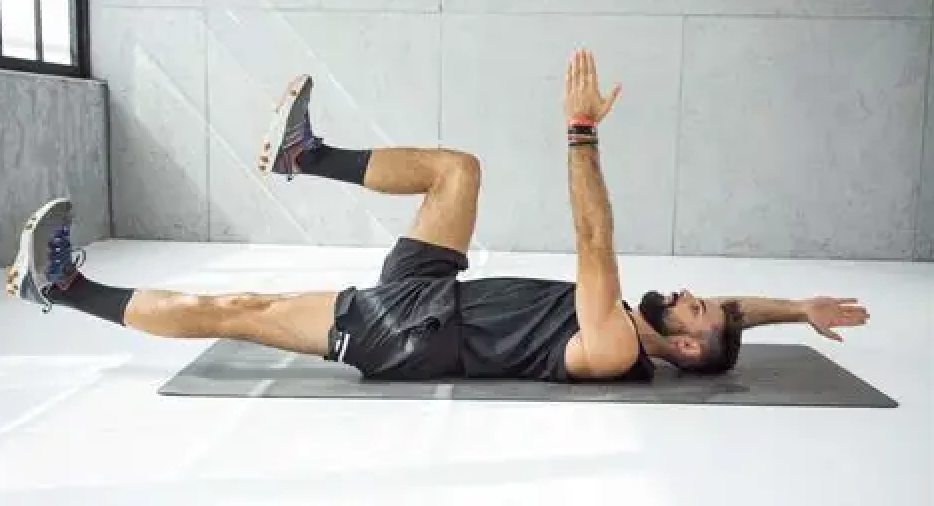
Dead bugs train your trunk to stay stable while your arms and legs move. That control supports efficient running as fatigue builds around mile two or three. Runners who tend to feel lower back tightness often find it especially valuable.
Do 2 to 3 sets of 8 to 10 repetitions per side. Keep your lower back and pelvis controlled the whole time. Quality beats speed here. Want more options? Try 3 Essential Exercises for Core Strength and Stability.
How should I recover after my turkey trot finishes?
Keep moving with 5 to 10 minutes of easy walking, then support your body with water, food, sleep, and light movement.
Tip 5. Walk it off before you sit down
Ray recommends easy walking right after the finish line instead of sitting immediately. The walk lets your body shift gradually from higher-intensity effort to rest. This also helps you avoid stiffness, cramps, and post-race soreness.
Over the next day or two, support recovery with:
- Hydration and a good meal
- Quality sleep
- Light movement, like an easy walk
- Light static stretches
- A massage gun or foam roller to help keep soreness from building
For a deeper look at helping your body bounce back, read Why Your Body Isn’t Recovering and What Actually Works.
When should I see a physical therapist instead of treating at home?
Normal soreness settles at home within a day or two, while pain that changes how you move deserves a physical therapist’s attention.
Some muscle soreness after a turkey trot is normal, especially if you have not been running consistently. Dr. Ray explains that soreness usually shows up 12 to 24 hours after the run and peaks within the next day or two. Relative rest, gentle movement, and a temporary dip in activity typically help (Source: PubMed).
Book a physical therapy evaluation if you notice:
- Pain that causes you to limp or changes how you run
- Pain that lingers for several days without improving
- Pain that returns each time you try to run again
- Weakness, reduced mobility, or difficulty with normal daily activities
Some symptoms call for prompt medical care: severe pain, substantial swelling, or being unable to put weight on your leg.
A physical therapist can find what is driving the problem and build a plan that gets you back to running. A running analysis can also help you spot overuse patterns early. This article is general education, not a diagnosis.
Turkey Trot FAQs
Is it okay to walk a turkey trot?
Yes, walking a turkey trot is a great choice, and many events welcome walkers of every pace. Dr. Ray suggests a run/walk approach for anyone who has not trained consistently. Check your event’s website for its walker policy, start waves, and course details.
How many miles do you run in a turkey trot?
Most turkey trots are 5Ks, which is 3.1 miles. Some also offer a one-mile fun run, a 10K, or a half marathon. Confirm your distance on your race registration page.
Ready to enjoy your turkey trot feeling strong and confident?
Your turkey trot is a celebration of movement, family, and showing up for yourself. Five habits get you there: warm up with the World’s Greatest Stretch, practice A-marches, strengthen your glutes, train your core with dead bugs, and walk it off afterward. Start these exercises a few weeks ahead so they feel natural when Thanksgiving arrives.
Progress, always. That includes the days after the race. If a nagging ache sticks around, or you want a plan built around your goals, we are ready to help. Our team works with runners at every level, from first-time turkey trot participants to seasoned racers.
Click Here to Book Your Assessment now. A physical therapist will schedule you for your one on one assessment, so your next run feels even better than this one.

Leave a Reply